A trip to the local off-leash area offers a fantastic chance for your canine companion to run, play, and meet new friends. These community spaces provide vital exercise and mental stimulation. A positive experience for everyone depends on understanding and following a few simple guidelines.
These shared recreational spots are valuable for both pets and their people. They encourage healthy social interactions when all visitors practice courteous behavior. Knowing the proper conduct helps create a secure and welcoming atmosphere for all.
This guide covers the key principles every pet parent should know before their next outing. We will discuss preparation, recognizing canine body language, and responsible ownership practices. Adhering to these suggestions helps prevent problems and ensures the area remains a great resource.
Key Takeaways
- Proper manners ensure a positive and safe environment for all visitors.
- These areas are community spaces that benefit both pets and owners.
- Understanding guidelines helps minimize conflicts and prevent injuries.
- Being prepared and aware of your pet’s behavior is crucial.
- Following these practices promotes responsible pet ownership.
- A successful outing enhances your canine’s social skills.
- Collective courtesy maintains the location as a welcoming space.
Why Dog Park Etiquette Matters
The foundation of any successful community space lies in the mutual respect shown by all participants. When everyone understands and follows established guidelines, these recreational areas become safer and more enjoyable for everyone involved.
Social Benefits for Dogs and Owners
These designated spaces provide incredible opportunities for social interactions among pets and their human companions. Canines develop crucial social skills by meeting others of different breeds and temperatures. Meanwhile, owners connect with fellow pet parents, sharing advice and building meaningful relationships.
The controlled environment allows for positive play experiences that build confidence in animals. Regular visits help create predictable patterns that dogs find comforting. This consistency leads to better behavioral development over time.
Ensuring a Safe and Clean Environment
Proper conduct directly impacts the safety of all visitors. Following rules prevents aggressive encounters and protects vulnerable animals from frightening situations. Responsible waste management maintains hygiene and prevents disease transmission.
Respecting personal space creates a harmonious atmosphere where everyone can relax. When all visitors contribute to cleanliness and safety, the overall experience improves significantly. This collective effort ensures the space remains welcoming for future visits.
The predictable conditions created by consistent etiquette allow healthy interactions to flourish. Both people and their pets benefit from this structured approach to community recreation.
Preparing for Your Dog Park Visit
A successful trip begins long before you arrive at the off-leash area’s entrance. Proper groundwork ensures a smooth and secure experience for your furry friend and others.
Start by researching the specific rules for your chosen location. Many parks have unique requirements. Check for vaccination records, licensing, and any breed or size restrictions. Some areas may charge fees or require memberships.
Understanding Park Rules and Vaccination Requirements
Health safety is paramount. Make sure your companion’s shots are current. Core vaccines include rabies and distemper. Bordetella (kennel cough) and leptospirosis are also vital for communal spaces.
Puppies under four months should stay home. Their immune systems are not fully developed. This protects them and other dogs from potential illness.
Essential Gear, Leashes, and Waste Bags
Packing the right items makes all the difference. Your checklist should include:
- A sturdy leash for controlled entry and exit.
- Plenty of waste bags for immediate cleanup.
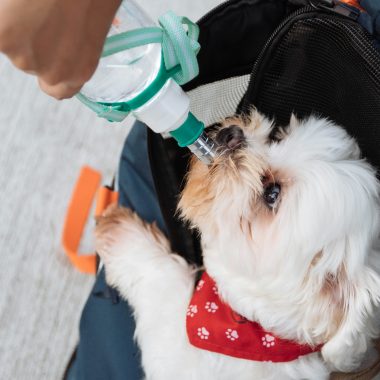
- A portable bowl and fresh water to prevent dehydration.
Visit the park alone first. Scout the layout. Look for separate zones for different-sized dogs. Identify all gates and observe the general atmosphere.
Choose a less crowded time for initial visits. This helps your pet adjust without overwhelm. Reliable response to basic commands is crucial. Solid training provides control in a lively environment.
This way, your outing will be enjoyable and safe for everyone involved.
Dog Park Etiquette: Essential Rules for a Fun, Safe Visit
Adherence to fundamental principles creates the foundation for successful social interactions in shared areas. These guidelines protect everyone’s well-being while maximizing enjoyment.
| Essential Do’s | Critical Don’ts | Key Reason |
|---|---|---|
| Keep your companion leashed during entry/exit | Never bring sick or injured animals | Prevents chaos and disease spread |
| Provide personal water and bowl | Avoid toys, treats, or human food | Reduces resource guarding risks |
| Supervise constantly without phone distractions | Leave young children at home | Ensures immediate intervention capability |
| Clean up waste immediately | Don’t enter crowded gate areas | Maintains hygiene and prevents tension |
Constant supervision is non-negotiable. Stay alert to your pet’s behavior and interactions. Limit visits to 30-60 minutes to prevent overtiredness.
Respect social boundaries by requesting consent before interacting with unfamiliar animals. Communicate respectfully with other caregivers about any concerns. This approach maintains positive relationships among all visitors.
Understanding Canine Behavior and Body Language
Animals express their feelings through subtle physical indicators we must learn to recognize. Interpreting these silent signals prevents misunderstandings during social encounters. Accurate reading of your companion’s comfort level ensures positive experiences.
Recognizing Stress and Aggression Signals
Watch for displacement behaviors that indicate anxiety. These include shaking when dry or excessive ground sniffing. Yawning without tiredness often signals discomfort.
More serious warnings include rigid posture and raised hackles. A hard stare or bared teeth suggests potential conflict. Recognizing these signs early allows timely intervention.
Managing Overexcitement and Resource Guarding
Overly enthusiastic behavior can trigger defensive responses from others. Jumping, mounting, or relentless chasing may overwhelm tolerant animals. This overarousal requires calm redirection.
Some companions display possessive tendencies around toys or people. This resource guarding creates dangerous situations. Immediate removal from the park prevents escalation.
Not all dogs enjoy large group settings. Respect individual preferences for quieter interactions. Understanding body language helps identify when your dog needs a break.
Tips for Responsible Dog Park Visits
Mastering essential skills before visiting communal spaces ensures positive experiences for all. These practical approaches build confidence and prevent common issues.
Practicing Effective Command Training
Reliable response to basic instructions forms the foundation of safety. Your companion should consistently follow “come,” “sit,” and “stay” cues even during exciting moments.
Practice in various environments builds obedience under distraction. Professional classes can strengthen communication between pets and their people.
Managing Interactive Play and Cleaning Up After Your Dog
Always carry a leash for quick control when needed. Avoid phone distractions to maintain constant supervision of social interactions.
Bring personal water supplies to prevent dehydration. Immediate waste cleanup maintains hygiene and shows respect for other visitors.
Use verbal praise instead of treats to avoid conflicts. Schedule initial visits during quieter periods for gradual acclimation.
These practices create enjoyable outings while prioritizing everyone’s well-being.
Conclusion
By embracing responsible practices, visitors ensure these recreational areas remain welcoming for years to come. Following established guidelines creates safe, enjoyable experiences for everyone at the dog park.
Proper preparation forms the foundation for successful outings. This includes understanding local rules, ensuring vaccinations are current, and bringing essential supplies like water and waste bags.
Constant supervision and recognizing canine body language prevent conflicts. Not every pet enjoys large group settings. Respect your animal’s comfort level when deciding about park visits.
These shared spaces thrive through collective commitment to proper etiquette. Your thoughtful approach contributes to positive play and social experience for all dogs and their people.