Seeing your furry friend get hurt is a heart-stopping moment. For those who love exploring the great outdoors with their dogs or cats, being prepared for an emergency is not just smart—it’s essential. A sudden accident can happen anywhere, turning a fun day into a critical situation.
When a pet suffers a wound, visible blood loss is often the immediate concern. However, the real danger can be what you don’t see. Significant blood loss can quickly lead to shock, a life-threatening condition.
Shock causes a rapid heart rate, pale gums, and weak breathing. Without swift first aid, it can cause permanent organ damage. This makes every minute count when you’re far from a veterinarian.
Understanding basic emergency response for your pet transforms fear into confidence. This knowledge empowers you to provide crucial care and stabilize your companion until professional help is available. It truly can mean the difference between a minor incident and a tragedy.
Key Takeaways
- Quick action during a pet emergency is critical to prevent shock and serious complications.
- Visible bleeding is often just one part of the problem; internal issues can be more dangerous.
- Active dogs and cats are especially prone to injuries during play or outdoor adventures.
- Knowing basic first aid builds confidence, allowing you to help rather than panic.
- Proper emergency care can bridge the gap until you can reach a veterinarian.
- Being prepared is a vital part of responsible pet ownership, especially for adventurous owners.
Understanding Pet Bleeding: Risks and Warning Signs
A sudden injury can present two very different dangers for your companion: what you see and what you don’t. Recognizing the type of bleeding is your first step in a proper emergency response.
Recognizing External vs. Internal Bleeding
External bleeding comes from visible wounds like cuts or scrapes on the skin. You can see the blood loss directly. This is often easier to manage with first aid.
Internal bleeding is far more dangerous. It happens inside the body after trauma. The blood leaks from damaged blood vessels but pools unseen. This makes it a hidden emergency.
| Type of Bleeding | Visibility | Common Causes | Primary Risk |
|---|---|---|---|
| External | Visible on the skin | Cuts, scrapes, punctures | Controlled blood loss |
| Internal | Hidden inside the body | Blunt force trauma, toxins | Rapid onset of shock |
Identifying Signs of Shock and Critical Blood Loss
Even a small amount of blood loss can be critical. For a dog or cat, losing just two teaspoons per pound of body weight can cause shock.
Watch for key warning signs. Pale or white gums are a major red flag. A rapid heart rate and breathing are also critical. Your pet may feel cold, especially its ears and paws.
Lethargy or weakness signals a serious problem. Coughing up blood means internal bleeding is likely. These signs demand immediate veterinary care.
Steps to Stop Bleeding from Pet Injuries
Effective first aid for a bleeding wound hinges on one core principle: controlling blood loss directly. Your calm and steady action makes all the difference.
Applying Direct Pressure and Appropriate Bandaging
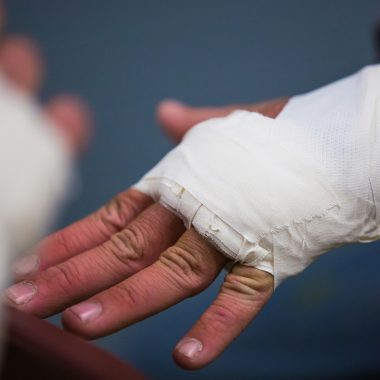
Immediately place a clean gauze pad, cloth, or folded towel over the injury. Apply firm, gentle pressure directly on the site.
Maintain this constant pressure without peeking. For minor cuts, the bleeding should slow within 5-10 minutes as a clot forms.
Never remove the initial layer if blood soaks through. This disturbs the clot. Instead, add more gauze or bandage on top.
For a paw injury, wrap the foot securely before applying pressure. If your dog has a leg wound, gently elevate the limb while you work.
Precautions When Handling an Injured Pet
Even a gentle pet may bite or scratch when scared and in pain. Your safety is paramount to providing effective aid.
- Speak in a soft, calm voice to reassure your companion.
- If possible, have a helper gently restrain your dog while you apply the bandage.
- Consider using a muzzle as a precautionary measure.
Remember, these techniques are temporary measures to stop bleeding and stabilize your pet for transport to a veterinarian.
First Aid Techniques for Various Pet Wounds
From a torn nail on a rocky trail to a scrape from a bush, different injuries demand specific care. Tailoring your approach ensures you provide the most effective help for your furry friend.
Managing Cuts, Scrapes, and Puncture Wounds
A bleeding nail requires quick action. Specialized powder or a styptic stick applied directly to the nail tip works best. If you don’t have these, press the nail into a bar of soap or use baking flour.
For a paw cut, first check for debris. Gently rinse the foot with water. Use tweezers to remove an object only if you can see it clearly. Never dig for something stuck deep in the skin.
Ear wounds can be messy. Place a cloth on both sides of the ear flap and fold it over your dog‘s head. Hold it firmly to control the flow. This prevents shaking from making things worse.
| Wound Type | Primary Treatment | Key Consideration |
|---|---|---|
| Bleeding Nail | Apply styptic powder or soap | Quick clotting is essential |
| Paw Cut | Remove surface debris, rinse | Avoid probing deep objects |
| Ear Injury | Fold and hold with pressure | Prevent head shaking |
| Torso Wound | Secure bandage without tight tape | Never restrict breathing |
Minor scrapes are common and often manageable at home. However, bite wounds or deep punctures are different. They push bacteria deep under the skin. These injuries always need a veterinarian‘s care to prevent hidden infection.
Preparing a Pet First Aid Kit and Outdoor Safety Essentials
Your preparedness for an emergency starts long before an accident happens. Having the right items on hand turns panic into confident action when your companion needs help.
Essential Supplies and How They Work
A well-stocked kit contains specific supplies for different situations. Sterile gauze pads and cotton rolls create effective pressure dressings. Non-stinging antiseptic solutions clean wounds without causing extra pain.
Specialized items make a big difference. Styptic powder quickly stops nail bleeding. Electric clippers safely trim fur around wounds. A soft cloth is versatile for cleaning and comfort.
| Essential Item | Primary Purpose | Key Consideration |
|---|---|---|
| Sterile Gauze | Apply direct pressure | Never remove soaked layers |
| Antiseptic Solution | Clean without stinging | Avoid alcohol-based products |
| Self-Clinging Bandage | Secure dressings | Don’t wrap too tightly |
| Basket Muzzle | Safety during care | Allows panting and breathing |
The best first aid is the preparation you do when everyone is still safe and happy.
Incorporating Tailyan Outdoor Products for Pet Adventures
Quality gear complements your emergency preparedness. Tailyan’s durable backpacks have perfect pockets for your first aid kit. Their adventure accessories keep your dogs secure during outdoor fun.
This combination creates safer experiences for you and your pet. You can focus on making memories knowing you’re ready for anything. Check your supplies before each adventure.
Keep a kit in your car and home. Schedule time to restock expired items. Your veterinarian can help during a regular appointment.
When to Seek Veterinary Care for Bleeding Injuries
Some situations require immediate veterinary expertise beyond what you can provide at home. Recognizing these critical moments ensures your companion receives the professional care they truly need.
Evaluating the Severity of the Wound
Watch for specific danger signs that demand a vet visit. If bleeding continues after 10-15 minutes of proper pressure, seek help immediately. This indicates vessel damage requiring professional treatment.
Internal issues are especially urgent. Pale gums, coughing up blood, or sudden weakness signal internal bleeding. These hidden emergencies need rapid hospital care.
| Situation Type | Key Warning Signs | Required Action |
|---|---|---|
| Emergency | Sucking chest sounds, protruding object | Go to emergency hospital now |
| Urgent | Deep puncture, bite wounds, large area | See veterinarian same day |
| Concerning | Redness, swelling, pus, foul odor | Schedule appointment promptly |
| Monitor | Minor scrapes, controlled bleeding | Watch for changes, call vet if worried |
Certain injuries always need professional assessment. Bite wounds carry infection risks. Chest or abdominal injuries may involve organ damage.
During veterinary care, your dog receives thorough cleaning, pain relief, and proper closure. This prevents complications and promotes healing. When in doubt, calling your vet is always the safest choice.
Conclusion
Every outdoor adventure with your furry friend carries the promise of joyful memories and the responsibility of readiness. The knowledge you’ve gained transforms fear into confidence, ensuring you can provide crucial care when your dog needs it most.
Remember that most wounds heal successfully with proper attention. Your companion will quickly return to their playful self. From a simple nail issue to more serious injuries, timely action makes all the difference.
Embrace preparedness as your foundation for safe explorations. When uncertainty arises about any injury, consulting your vet remains the wisest choice. Your readiness ensures many happy years of adventure ahead.