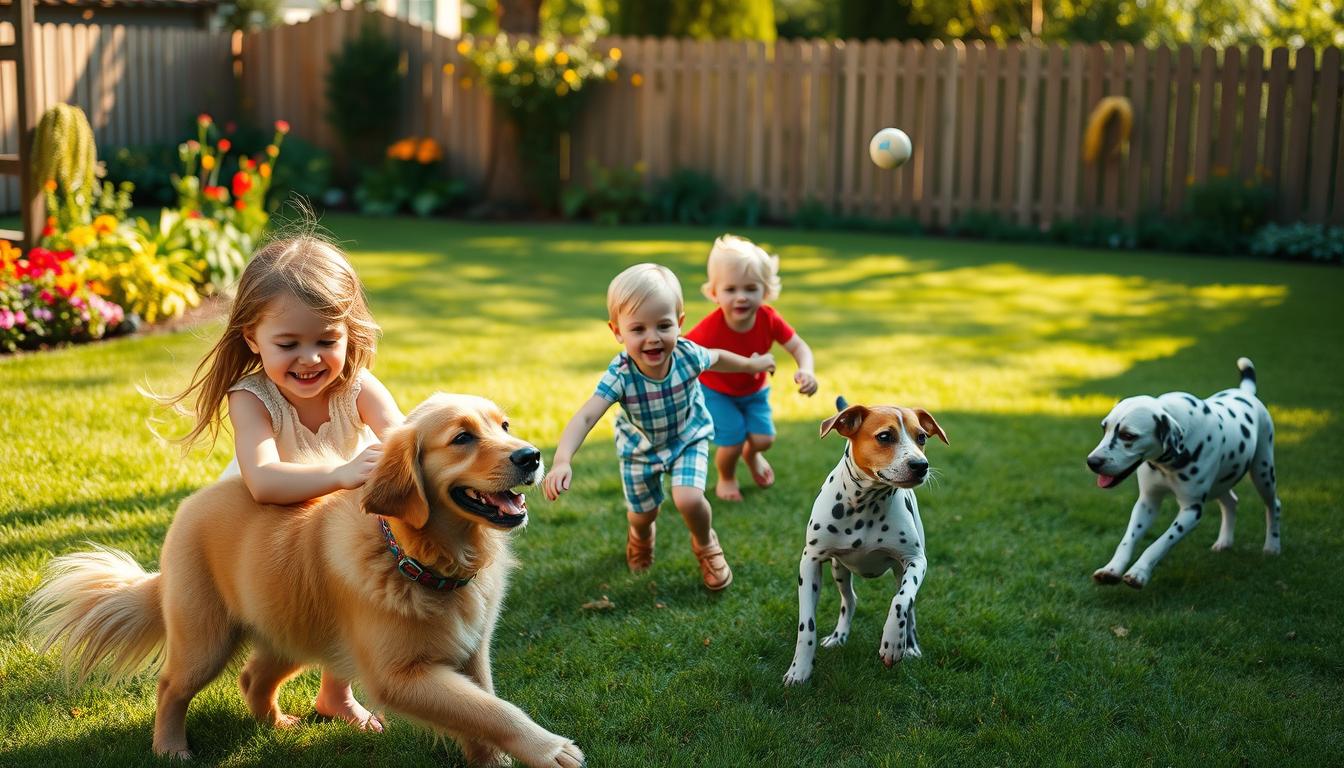
Watching kids and animals grow together creates moments families treasure forever. Pets become playmates, teachers, and confidants – but building these relationships requires thoughtful preparation. While over 4.5 million dog bites occur yearly in the U.S. (with children most affected), studies show proper safety practices let families enjoy pets’ stress-relieving benefits without risks.
This resource helps parents nurture empathy and responsibility in children while keeping everyone protected. You’ll learn how to read animal body language, set boundaries for outdoor adventures, and turn everyday interactions into learning opportunities. Whether you’re introducing a new pet or teaching kids to respect animals they meet, patience and consistency make all the difference.
The rewards go beyond cuddles and games. Research proves kids with pets often develop stronger social skills and emotional intelligence. By prioritizing safety from day one, families create environments where both children and animals thrive – forging bonds that last lifetimes.
Key Takeaways
- Over half of annual dog bite injuries involve children, often with familiar pets
- Proper supervision reduces risks while maximizing developmental benefits
- Animal behavior education helps prevent accidents during play
- Outdoor activities require specific safety preparations for kids and pets
- Consistent rules help children build empathy and responsibility
- Pets can significantly reduce childhood anxiety when interactions are guided
Establishing a Foundation for Safe Pet Interactions
Building trust between young family members and furry friends starts with clear communication. Animals express themselves through physical cues rather than words – a wagging tail or flattened ears speak volumes. Learning these signals helps prevent misunderstandings during playtime or cuddle sessions.
Decoding Silent Conversations
Dogs show comfort through relaxed muscles and “smiling” faces with loose tongues. Stressed pets might pant heavily, lick lips, or freeze in place. Cats often flick tails when annoyed, while rabbits thump feet when scared. Young kids need simple explanations like “Fluffy’s ears are back – let’s give her space.”
| Friendly Signals | Warning Signs |
|---|---|
| Play bow posture | Raised fur along spine |
| Soft eye contact | Stiff body movement |
| Relaxed mouth | Growling or hissing |
Household Harmony Through Guidelines
Create three non-negotiable rules for everyone. For example: Always ask before touching, no chasing, and pets eat undisturbed. Use visual charts with pictures for younger children. Role-play scenarios like meeting new dogs at the park.
Remember – even calm animals might snap if startled. Teach kids to recognize when pets need alone time. Simple habits like handwashing after play reduce germ risks while reinforcing responsibility.
Guide to Safe Interaction Between Children and Pets
Harmony between kids and animals blossoms when families combine fun with practical safeguards. These strategies help little ones build confidence while protecting their furry friends.
Playtime With Purpose
Never leave young kids unsupervised – even gentle pets can react unexpectedly. Teach children to:
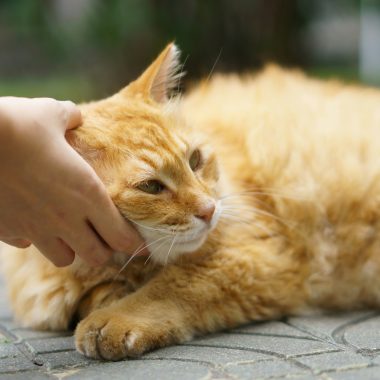
- Pet animals along their backs (avoiding faces and tails)
- Stop immediately if the pet moves away
- Use quiet voices during interactions
Structured 10-minute play sessions work best. Try feather toys for cats or fetch games for dogs. Always separate kids from reptiles, rodents, or poultry – these animals carry higher infection risks.

Clean Hands, Healthy Hearts
After touching pets or their supplies, scrub hands with soap and warm water for 20 seconds. Make it fun by singing the ABCs! Remind kids:
- Keep faces away from animal mouths
- Change clothes after handling backyard chickens
- Never share food with four-legged friends
Babies under five need extra protection. Use baby gates to create pet-free zones, and always wash their hands for them after playdates.
Outdoor Adventures with Family Pets
Venturing outdoors with pets strengthens family connections through shared experiences. Fresh air and exploration boost physical activity while teaching kids responsibility. Proper planning ensures these adventures remain safe and enjoyable for everyone.
Choosing the Right Outdoor Gear for Safety and Comfort
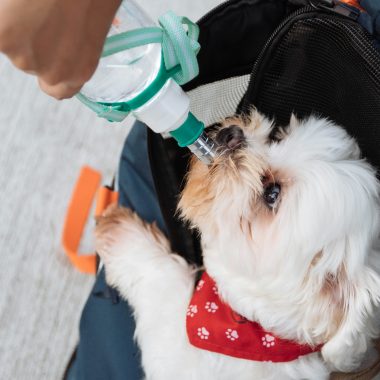
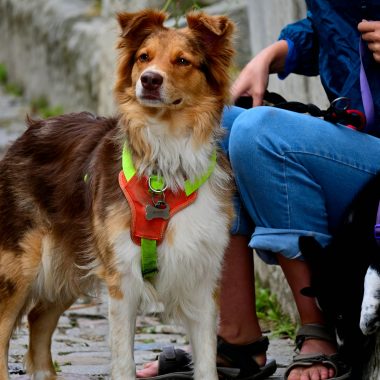
Durable equipment protects both kids and animals during hikes or camping trips. Look for breathable harnesses that fit snugly without restricting movement. Waterproof pet backpacks with safety clips keep smaller dogs secure on trails. Always pack extra collapsible bowls and paw-protecting booties.
Check weather forecasts and terrain difficulty before leaving home. Rocky paths might require protective footwear for pets, while hot pavement demands shaded rest areas. Teach children to monitor their furry friend’s energy levels and share water breaks.
Incorporating Tailyan’s High-Quality Outdoor Products
Tailyan’s adventure gear combines innovation with pet-friendly design. Their ventilated pet carriers feature chew-resistant straps and quick-access pockets for treats. Families love the pop-up tents with mesh windows – perfect for naptime after exploring.
Start with short outings to help pets adjust. Kids can practice using Tailyan’s clip-on waste bag holders or portable feeders. These tools build confidence while keeping adventures organized. With thoughtful preparation and reliable gear, outdoor time becomes treasured family time.
Training and Building Trust Between Children and Pets
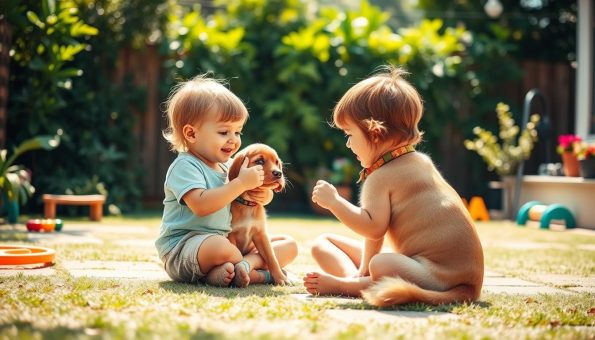
Strong relationships between kids and animals grow through shared routines and clear expectations. When families approach training as teamwork, both parties learn to communicate effectively. Experts suggest waiting until children reach age 4-6 before adopting dogs, ensuring kids can follow safety rules consistently.
Pet Training Techniques for a Harmonious Home
Start with four essential commands that keep interactions safe:
- Come: Prevents chasing during outdoor play
- Leave it: Stops unwanted chewing or grabbing
- Sit/Stay: Creates calm greetings
Involve kids in practice sessions using these tips:
- Let children reward pets with treats after successful commands
- Create a chart tracking daily training progress
- Use stuffed animals for role-playing scenarios
Teaching Children Gentle and Respectful Handling
Show kids how to interact safely through guided activities:
- Petting practice: Stroke stuffed animals before real pets
- Treat delivery: Place snacks in open palms
- Fetch rules: Always wait for dogs to drop toys
Assign age-appropriate care tasks to strengthen bonds:
- Preschoolers: Refill water bowls with supervision
- Elementary kids: Brush pets with soft grooming tools
- Tweens: Lead leashed walks in fenced areas
Consistent, positive interactions help animals view children as trusted companions rather than unpredictable playmates.
Preventing Incidents and Handling Emergencies
Creating a safe environment for kids and pets means knowing how to spot trouble before it starts. Animals often give clear warnings when they feel uneasy – the trick is understanding their language. Over 80% of dog bites involve familiar pets, making early stress detection vital for families.
Recognizing Signs of Stress and Unwanted Behaviors
Watch for these subtle shifts in body language:
- Ears pinned back or tail tucked tightly
- Whale eye (showing the whites of eyes)
- Excessive yawning or lip-licking
Pets might growl or snap as last warnings. Teach kids to freeze and slowly back away when they see these signals. Role-play scenarios using stuffed animals to build quick recognition skills.
Steps to Take in Case of a Bite or Injury
If teeth break skin:
- Wash the area with soap for 5 minutes
- Apply pressure with clean cloth
- Call your pediatrician immediately
For scratches or minor wounds, use antibiotic ointment and watch for redness. “Even small bites need attention,” advises Dr. Emily Torres. Rabies vaccines might be required if the animal’s vaccination status is unknown.
After medical care, help kids process the event through calm conversations. Reintroduce pets slowly using positive interactions like treat-giving from a safe distance. Most importantly – stay patient. Trust rebuilds one gentle moment at a time.
Conclusion
Nurturing relationships between kids and animals brings joy that echoes through generations. By combining education about pet behavior with consistent supervision, families create spaces where trust flourishes. Simple habits – like reading tail wags or respecting nap times – turn everyday moments into safe learning opportunities.
Successful child-pet bonds require parents to balance structure with flexibility. While every family’s journey looks different, core principles like gentle handling and shared responsibilities remain vital. Whether brushing a cat’s fur or packing adventure gear for park trips, these experiences teach kids empathy that lasts a lifetime.
Invest in tools that support safe interactions – chew-resistant toys for teething puppies or elevated feeding stations for curious toddlers. Remember: a dog’s relaxed ears and a child’s clean hands often signal harmony. With patience and preparation, families build connections where both little ones and furry friends feel understood, protected, and loved.