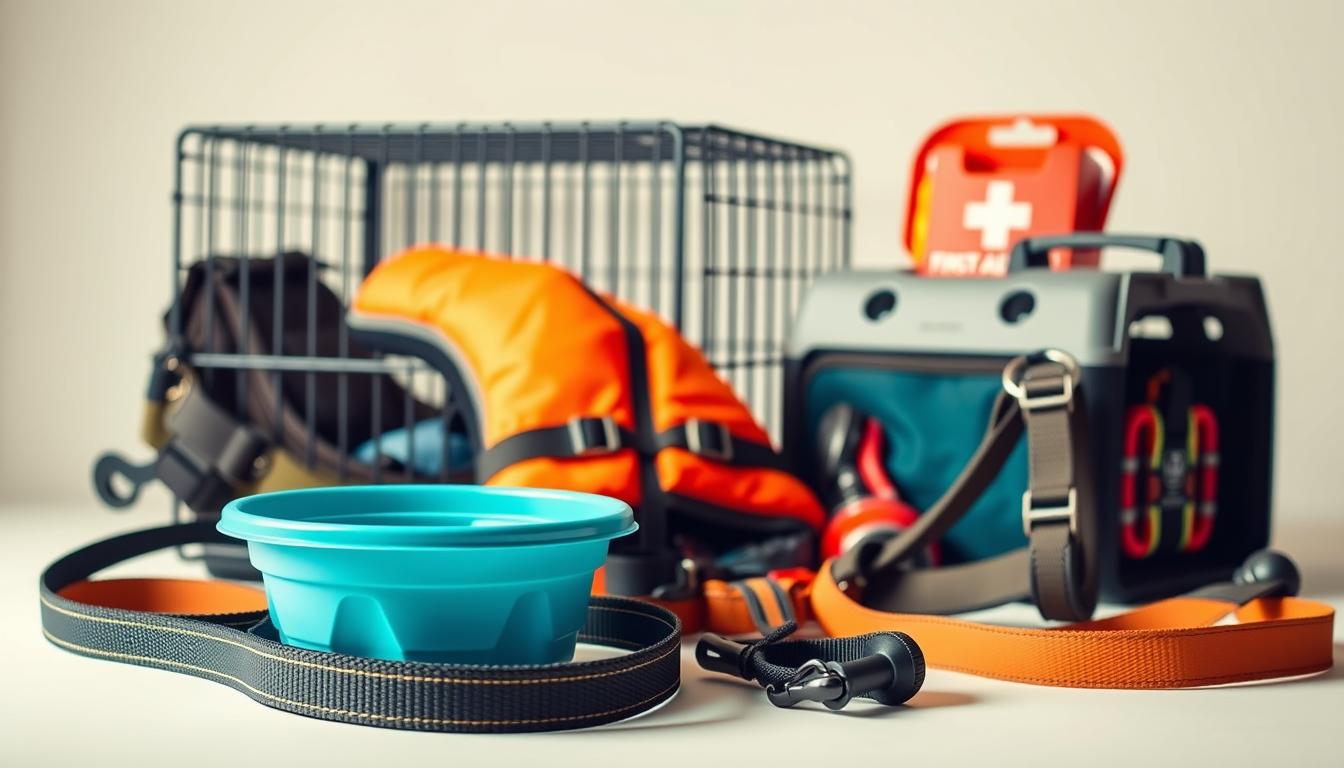
Exploring nature with your four-legged companion can turn a simple getaway into an unforgettable experience. But summer heat and unpredictable conditions demand careful planning to keep your dog comfortable and secure. Understanding how animals react to new environments helps craft a stress-free adventure for everyone.
Modern solutions like ventilated carriers, lightweight shelters, and ergonomic harnesses make adventures safer and more enjoyable. Brands like Tailyan specialize in durable outdoor gear designed for paws and claws, ensuring your friend stays protected during hikes or road trips. Veterinarians stress the importance of hydration breaks and shaded rest areas, especially in warmer months.
Every journey starts with smart preparation. Pack a kit with collapsible bowls, paw balm, and a familiar blanket to ease anxiety. Check local regulations for trails or parks, as rules vary widely. With the right tips and tools, you’ll create memories that last a lifetime while prioritizing your pet’s well-being.
Key Takeaways
- Plan for weather challenges like heat or humidity to protect your dog’s health
- Use specialized gear that supports your pet’s physical needs during activities
- Consult veterinarians about travel-specific health concerns
- Prioritize familiar comfort items to reduce animal stress
- Research destination rules and pet-friendly amenities in advance
Planning and Pre-Trip Preparations for a Safe Journey
A well-organized plan turns potential chaos into smooth sailing for you and your furry companion. Start by mapping out every detail – from health checks to gear selection – to create a stress-free adventure.
Essential Documentation & Vet Visits
Schedule a vet appointment at least 14 days before departure. This gives time to update vaccinations and address hidden health issues. “An up-to-date rabies certificate and interstate travel form can mean the difference between a welcome mat and a closed door,” notes Dr. Sarah Lin, a New York-based veterinarian.
| Document | Purpose | Validity |
|---|---|---|
| Health Certificate | Proof of medical fitness | 10 days |
| Rabies Certificate | State crossing requirements | 1-3 years |
| Medical History | Emergency care reference | N/A |
Building a Travel-Ready Kit
Pack these essentials to make sure your dog stays comfortable:
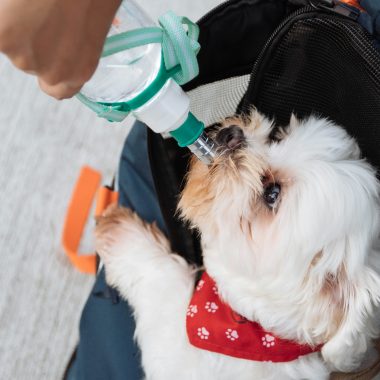
- Portable water dispenser + 25% extra food
- Medications in original bottles
- Chew-proof leash and LED collar
Gear That Keeps Pace
Tailyan’s adventure backpacks feature breathable mesh and adjustable straps perfect for active dogs. Test new equipment during short walks before your trip to ensure proper fit. Their weather-resistant designs handle everything from desert hikes to mountain trails.
“Always carry digital copies of medical records in your phone – paper can get lost, but cloud storage travels everywhere.”
On-the-Go Safety Tips: Navigating Air and Road Travel
From airport check-ins to roadside stops, prioritizing security keeps tails wagging on every journey. Different transit methods require unique approaches to keep your dog relaxed and protected. Let’s explore best practices for sky-high adventures and highway cruising.
Air Travel Protocols and Crate Safety
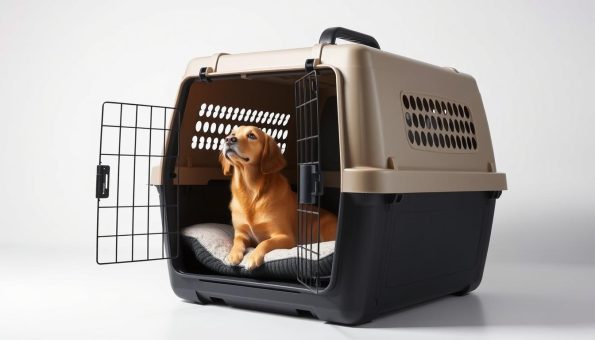
Booking non-stop flights reduces stress for animals by avoiding chaotic layovers. Choose USDA-approved crates that allow your companion to stand fully and lie down. Line the carrier with absorbent padding and attach clear ID tags with two phone numbers.
| Crate Feature | Requirement | Purpose |
|---|---|---|
| Size | 3x animal length | Movement space |
| Ventilation | 16% open area | Airflow regulation |
| Latches | Double locking | Accident prevention |
Freeze water bowls overnight to prevent spills during loading. Stick emergency feeding instructions on the crate using waterproof tape. Always confirm airline policies 72 hours before departure – rules change frequently,” advises TSA pet screening coordinator Mark Rivera.
Car Travel Precautions and Comfort Measures
Secure dogs in crash-tested harnesses or ventilated carriers during rides. Position restraints in back seats away from airbags. Crack windows slightly for fresh air without risking escapes.
Plan 15-minute breaks every 2-3 hours for hydration and stretching. Pack a portable fan for temperature control during summer drives. Never leave animals unattended – interior heat can spike 20°F in 10 minutes.
“A parked vehicle becomes dangerous faster than most owners realize – always take your buddy with you, even for quick errands.”
Pet Outdoor Travel Safety Guide: Essential Protective Measures
Keeping your furry friend safe during adventures requires smart safeguards and quick thinking. Simple precautions transform potential risks into manageable situations, letting you both enjoy nature’s wonders with confidence.
Smart Identification & Restraint Systems
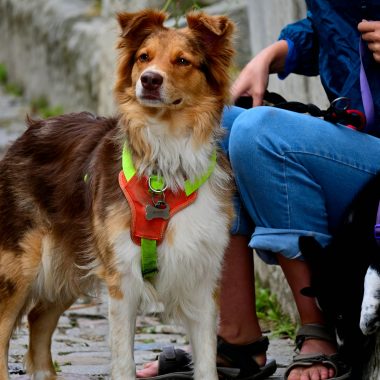
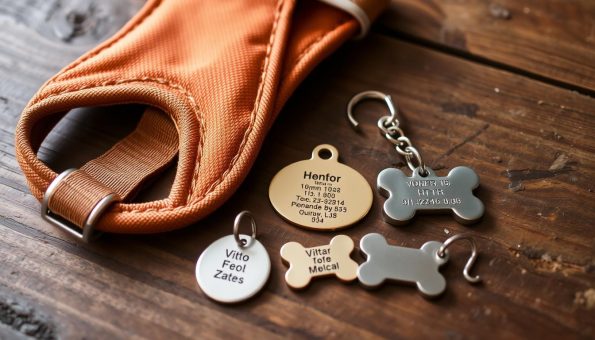
Three-layer identification works best: microchip, permanent collar tag, and temporary travel tag. Update your phone number and destination details before leaving. Tailyan’s reflective tags stay readable in low light, while their padded harnesses prevent chafing during long hikes.
| ID Method | Purpose | Effectiveness |
|---|---|---|
| Microchip | Permanent tracking | 98% success rate |
| Collar Tag | Immediate contact | Works without scanners |
| Travel Tag | Trip-specific info | Prevents confusion |
Weather Defense Strategies
Pavement reaching 125°F can burn paws in seconds. Always test surfaces with your palm – if it’s too hot for you, it’s dangerous for paws. Carry a foldable silicone bowl and freeze water bottles to ensure cold drinks last longer.
Watch for heavy panting or bright red gums – early heatstroke signs. Create instant shade with Tailyan’s pop-up canopy during beach trips. Their cooling vests use evaporation technology to lower body temps by 10-15°F.
“A dog’s normal temperature is 101-102°F – anything above 104°F becomes life-threatening within minutes.”
Clip waste bags to backpacks for easy access. Use 6-foot leashes in crowded areas – retractable models can snap on rough terrain. Check local weather alerts hourly, and have an exit plan if storms roll in.
Conclusion
Creating paw-sitive adventures with your furry friend hinges on balancing excitement with smart safety habits. Thoughtful preparation – from updated vaccinations to weather-appropriate gear – lets you focus on making memories rather than managing crises.
Pack that emergency kit with extra water and familiar snacks to maintain routines. A sturdy leash and proper ID tags become your first line of defense against unexpected detours. Remember, veterinarians offer tailored advice for managing health concerns during trips.
Watch for temperatures that could lead to heatstroke, and plan shady rest spots. Every dog has unique needs – anxious travelers might prefer ground-level hikes over crowded trails. Your efforts pay off when you see that tail wagging at sunset viewpoints.
With these tips and your loving attention, journeys become shared victories. The bond forged through mountains climbed and rivers crossed? That’s the real destination.