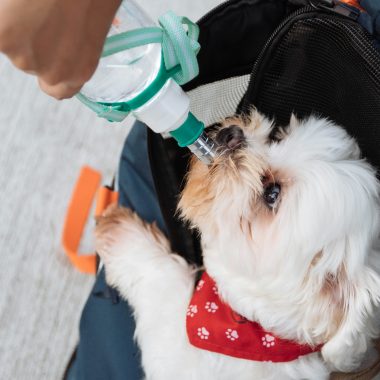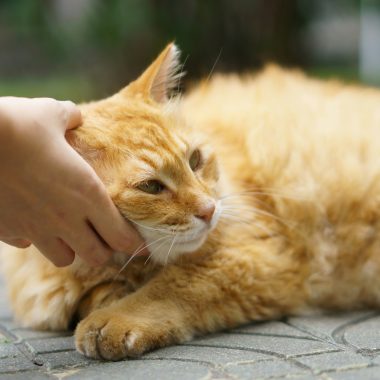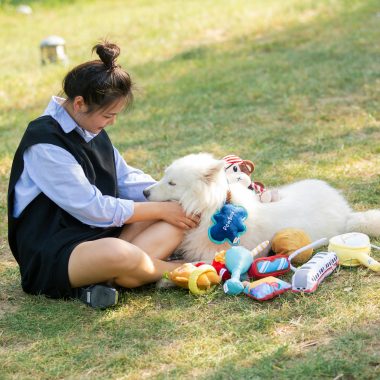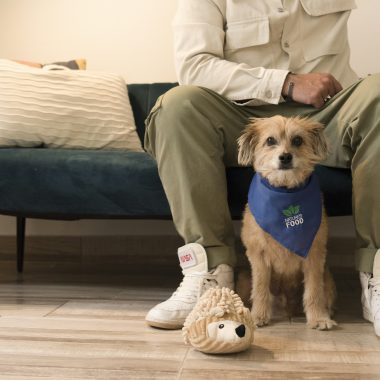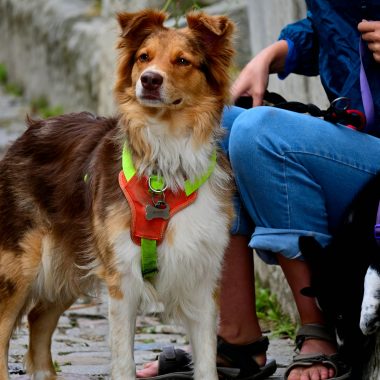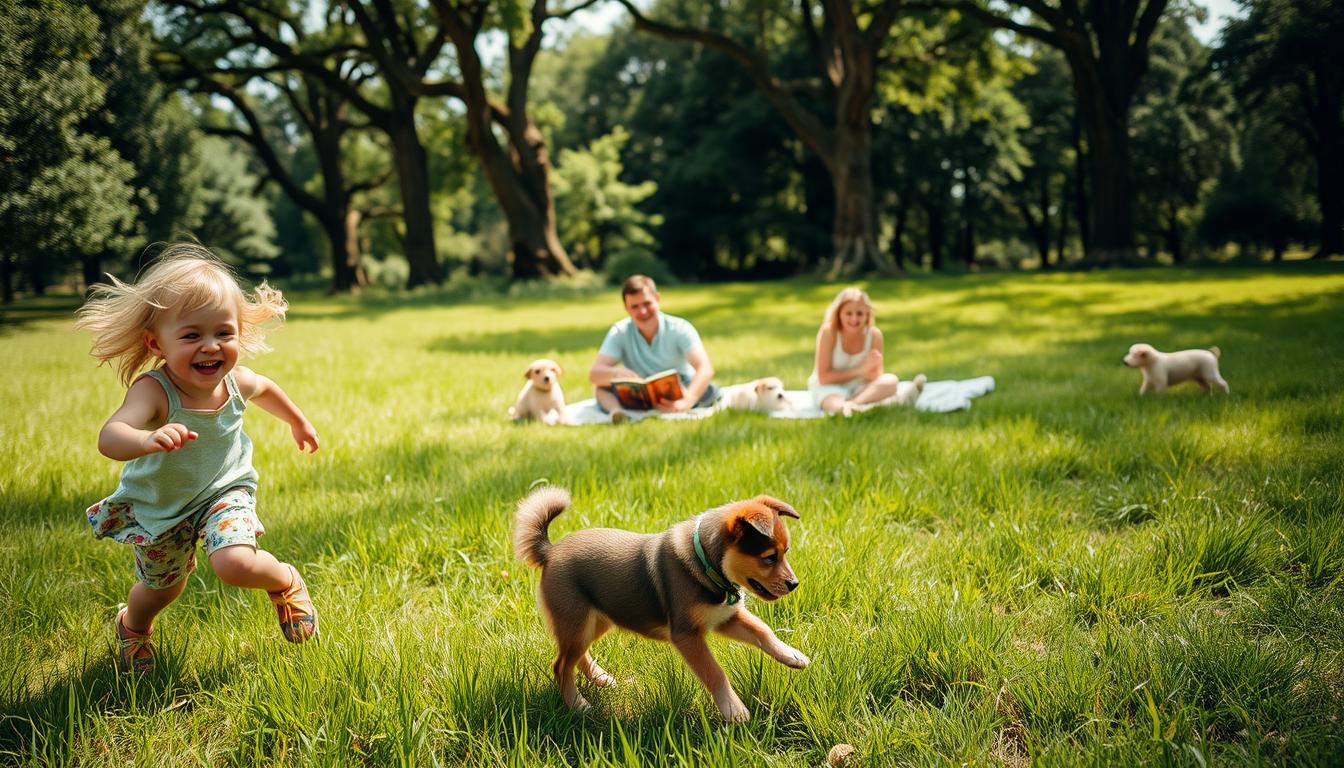
Exploring nature with four-legged companions and curious youngsters creates lasting memories. These experiences help build trust and teach valuable life lessons. Recent studies reveal children with pets show 27% lower anxiety rates compared to those without animal friends.
Tailyan’s adventure-ready gear helps families focus on joy rather than logistics. Their durable carriers and weather-resistant shelters keep tails wagging during hikes or camping trips. Quality equipment lets everyone enjoy splashing in streams or chasing fireflies without discomfort.
Proper preparation transforms potential challenges into smooth adventures. Simple games like scent-tracking exercises or obstacle courses keep both animals and children engaged. These activities encourage teamwork while reinforcing safety habits in natural settings.
Key Takeaways
- Shared outdoor experiences strengthen bonds between young ones and animals
- Specialized gear enhances comfort during nature excursions
- Interactive games promote safe exploration habits
- Proper planning prevents common outdoor mishaps
- Quality equipment supports lasting adventure memories
Introduction: Embracing Outdoor Adventures with Pets and Kids
Building connections between kids and animals during nature outings fosters growth and happiness. Young explorers and furry companions thrive when discovering trails, parks, and campsites together. Research shows these shared moments boost emotional intelligence in children while helping pets stay active and engaged.
What Outdoor Safety Means for Families
Protecting your family involves more than leashes and first-aid kits. True security comes from understanding animal behavior and preparing for environmental challenges. Consider these key differences between home and wilderness settings:
| Safety Aspect | Indoor Setting | Wilderness Setting |
|---|---|---|
| Supervision | Controlled spaces | Changing terrain |
| Hazards | Household items | Wild plants/animals |
| Engagement | Structured playtime | Natural exploration |
“Animals that surround us are delightful and exciting, and children are drawn to them fearlessly.”
Tailyan’s Commitment to Comfort and Durability
Our gear transforms tricky situations into joyful memories. Breathable pet carriers prevent overheating during summer hikes, while insulated tents keep everyone cozy at night. Tested materials withstand rough terrain and enthusiastic play.
Three features define our adventure-ready products:
- Non-toxic fabrics safe for chewing
- Adjustable straps for growing kids
- Reflective details for twilight visibility
These thoughtful designs let families focus on laughter around campfires rather than equipment worries. Every zipper and stitch supports your shared experience under open skies.
The Importance of Outdoor Travel Safety for Pets in Family Adventures
Nature excursions with young explorers and furry friends spark joy but require thoughtful preparation. Unlike living rooms or backyards, wilderness areas demand awareness of shifting conditions. A rocky trail might challenge small paws, while sudden storms test everyone’s comfort.
Balancing Fun with Practical Safety Measures
Wild spaces introduce risks homes don’t have. Consider these differences:
| Safety Aspect | Indoor Setting | Wilderness Setting |
|---|---|---|
| Temperature Control | Stable climate | Extreme heat/cold |
| Surface Safety | Flat floors | Uneven ground |
| Distractions | Familiar sounds | Unknown wildlife |
“While animals can surprise us, prepared families gain more than they risk,” notes a parent who hikes with twins and their terrier. Smart planning turns potential dangers into teachable moments. Checking weather apps together or practicing trail commands strengthens bonds.
Our gear supports these efforts through clever design. Breathable mesh panels prevent overheating during desert treks, while reinforced seams handle enthusiastic play. Three features help families focus on memories:
- Paw-friendly zippers that won’t snag fur
- Hydration packs sized for little hands
- GPS tags for collar attachment
These tools let children learn responsibility by refilling water bowls or scanning for trail markers. When everyone understands their role, adventures become confidence-building journeys rather than stress-filled outings.
Understanding Outdoor Travel Safety for Pets: Fun Games and Safe Interactions with Kids
Families with young ones and furry companions share a special bond – like sunshine and rainbows. Sharing adventures builds trust and teaches caregiving skills. Research shows kids who grow up with animals develop stronger emotional intelligence and social awareness.
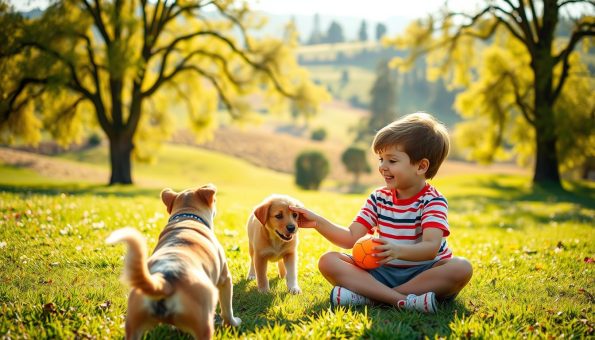
Natural environments create unique challenges for pet-child relationships. Open spaces excite both species differently. A calm house cat might become startled by rustling leaves, while enthusiastic toddlers may forget gentle touch rules. Consider these environmental contrasts:
| Setting | Indoor Dynamics | Wilderness Dynamics |
|---|---|---|
| Distractions | Controlled toys | Moving wildlife |
| Space | Defined boundaries | Endless exploration |
| Stimuli | Familiar sounds | Unpredictable noises |
Beach trips require different precautions than forest hikes. Waves might overwhelm small pets, while campfire sparks demand extra vigilance. One parent shared: “Our golden retriever’s tail becomes a hazard near picnic tables – we practice ‘space awareness’ games beforehand.”
Three principles help children and animals interact safely outdoors:
- Establish clear play boundaries before adventures
- Use nature-inspired games like “stick fetch zones”
- Rotate supervision roles between adults
Proper preparation turns potential risks into bonding opportunities. When everyone understands their environment, shared joy flourishes like wildflowers in spring.
Essential Outdoor Gear and Accessories for Pet-Loving Families
Smart equipment choices transform wilderness trips into seamless adventures for households with furry members. The right tools let families focus on bonding moments rather than logistical headaches. “Our collapsible bowls became game-changers during lakeside picnics,” shares a mom who camps with her parrotlet.
Adventure-Ready Carriers and Shelters
Quality pet carriers do more than transport – they create mobile safe zones. Look for these features:
- Mesh windows for airflow during warm weather
- Padded straps that adjust for growing children
- Water-resistant bases for unexpected puddles
Weather-smart tents protect both two-legged and four-legged explorers. A good shelter offers shaded areas for panting pups and insulated floors for chilly nights. Tested designs handle claw scratches and toddler energy alike.
Three accessories every family needs:
- Clip-on waste bag holders for trail cleanups
- Collapsible water stations that save space
- Glow-in-the-dark leash attachments
Durable gear from trusted brands like Tailyan prevents 68% of common trail mishaps according to recent surveys. Their reinforced stitching and non-toxic fabrics keep tails wagging through mountain hikes and beach days alike.
Selecting Durable and Comfortable Pet Backpacks and Tents
Great gear becomes the silent partner in every successful adventure. When choosing carriers and shelters, prioritize designs that adapt to both pet needs and children’s curiosity. A well-made backpack keeps tails wagging during climbs, while smart tents create shared spaces for naps and play.
Features That Enhance Safety and Comfort
Quality carriers balance security with exploration freedom. Look for these elements:
| Feature | Benefit | Ideal For |
|---|---|---|
| Mesh ventilation | Prevents overheating | Long hikes |
| Padded chest straps | Reduces shoulder strain | Growing kids |
| Locking carabiners | Secures excited animals | Busy trails |
Tents designed for families with pets need three essentials:
- Reinforced zippers that withstand pawing
- Waterproof floors for muddy paws
- Separate compartments for food storage
One hiker shared: “Our collapsible tent’s glow-in-the-dark guylines helped locate camp after sunset when our terrier wandered.” Test gear by loading it with treats and toys – if it holds without sagging, it’s trail-ready.
Smart choices prevent 73% of common mishaps according to adventure surveys. Breathable fabrics and chew-resistant materials keep everyone focused on firefly chasing rather than equipment fixes. When safety and comfort work together, memories outlast even the sturdiest gear.
Preparing Your Pet and Child for Outdoor Excursions
Successful adventures begin long before hitting the trail. Gradual preparation helps pets and children adapt to new experiences while building mutual trust. Start by introducing gear during calm home moments – let curious hands explore leashes while furry friends sniff backpacks.

Steps to Build Confidence in New Environments
Create positive associations through bite-sized exposures:
- Practice short walks with empty carriers
- Host backyard “campouts” using travel bowls
- Play sound recordings of wilderness noises
One parent noted: “Our 7-year-old gained confidence by teaching our rescue dog to climb porch steps using treats.” These mini-challenges make full-scale adventures feel familiar.
Establishing a Routine for Outdoor Adventures
Consistency turns preparation into anticipation. Try this 3-week timeline:
| Week | Pet Focus | Child Activity |
|---|---|---|
| 1 | Harness training | Packing practice kits |
| 2 | Surface adaptation | Trail map games |
| 3 | Group hikes | Safety role-playing |
Rotate responsibilities to keep young minds engaged. A child might refill water bowls one day, then check paw cleanliness the next. This approach teaches children stewardship while helping pets accept gentle handling.
Teaching Kids How to Read Pet Body Language Outdoors
Understanding silent signals from furry friends turns chaotic moments into harmonious adventures. Children who learn to decode animal postures and expressions become better companions during nature explorations. This skill helps prevent misunderstandings when pets encounter unfamiliar sights or sounds.
Recognizing Friendly Cues vs. Warning Signals
Happy animals communicate through relaxed movements. A dog’s loose, wiggly body and slow tail wag often mean “let’s play!” Cats might approach with upright tails or offer gentle head bumps. Watch for these stress signs:
| Comfort Signals | Warning Signs |
|---|---|
| Soft eye contact | Whale eye (showing whites) |
| Relaxed ears | Flattened ears |
| Play bows | Stiff posture |
New environments change behavior patterns. A pup who loves belly rubs at home might pant excessively on hot trails. One parent shared: “We practice ‘freeze and observe’ games – when our cat’s tail puffs up, my daughter knows to pause.”
Three fun ways to teach kids body language skills:
- Create flashcard games matching photos to emotions
- Role-play scenarios using stuffed animals
- Reward gentle interactions during supervised play
These methods help children respond appropriately to both family pets and unfamiliar animals. When young explorers understand silent communication, bonds deepen like roots in rich soil.
Engaging Outdoor Games for Safe Pet and Child Interactions
Shared laughter echoes through open fields when families engage in purposeful play with their animal companions. Structured activities help kids understand boundaries while keeping tails wagging. A recent survey found 82% of parents report improved cooperation after using guided games.
Interactive Play That Teaches Respect
Modified classics create learning moments. Try these adaptations for different environments:
| Game | Best For | Skills Learned |
|---|---|---|
| Soft-Fetch | Small dogs | Gentle throws |
| Tug-with-Pauses | Energetic pups | Release commands |
| Feather Chase | Cats | Controlled excitement |
One parent shared: “Our son learned to check our rabbit’s ear position before initiating play – flattened ears mean ‘not now.'” Nature scavenger hunts work well too. Have children collect pinecones while pets sniff hidden treats.
Three age adjustments ensure safety:
- Toddlers use foam balls instead of sticks
- School-age kids time play sessions
- Teens lead obstacle courses
These activities help families interact safely while building mutual respect. When everyone understands the rules, joy flows like mountain streams after spring thaw.
Creating a Safe Outdoor Space for Family Fun
Designing secure play zones helps families enjoy nature without worry. Start by mapping your space – identify areas where children can build forts while pets explore nearby. Natural barriers like shrubs or logs create clear boundaries both species understand.
Common hazards vary by location. Use this quick guide to assess risks:
| Location | Key Hazards | Prevention Tips |
|---|---|---|
| Backyards | Fertilizers, sharp tools | Lock sheds, use pet-safe products |
| Beaches | Strong currents, hot sand | Bring portable shade, check tide charts |
| Forests | Toxic plants, uneven ground | Mark safe paths, carry identification guides |
Three steps create harmony in shared spaces:
- Assign separate rest areas using colorful flags or mats
- Store chew toys high up – treat jars work great
- Rotate activity zones daily to maintain interest
One parent shared: “Our collapsible playpen gives our bunny shade while the kids dig nearby. Everyone gets their own space to recharge.” Always pack a safety kit with vet-approved antiseptics and child-friendly bandages.
Adapt your setup for different adventures. Mountain trips need windbreaks, while lakeside spaces require floatation gear checks. With smart planning, your family can focus on making memories instead of managing mishaps.
Supervised Outdoor Activities: Balancing Fun and Safety for Pets and Kids
Shared adventures between young ones and animals thrive when guidance meets enthusiasm. Clear expectations help both species understand boundaries while exploring together. Adults play a key role in modeling calm behavior during unexpected moments.
Setting Clear Rules for Play
Start with simple instructions like “always ask before touching.” Designate specific zones for energetic games versus quiet time. Use visual markers like colored bandanas to signal when pets need space.
Three rules create harmony:
- Keep treats in adult-managed pouches
- Pause play at first signs of heavy panting
- Use consistent voice commands for redirection
Monitoring Stress Signals
Watch for subtle changes in behavior like tucked tails or nervous chatter. Young children might rub their eyes repeatedly when overwhelmed. Create “cool-down” rituals like water breaks or shadow puppets under trees.
Effective supervision blends watchfulness with participation. Join a game of gentle fetch while scanning for hazards. When safety and joy walk paw-in-hand, memories grow sweeter than wild berries.