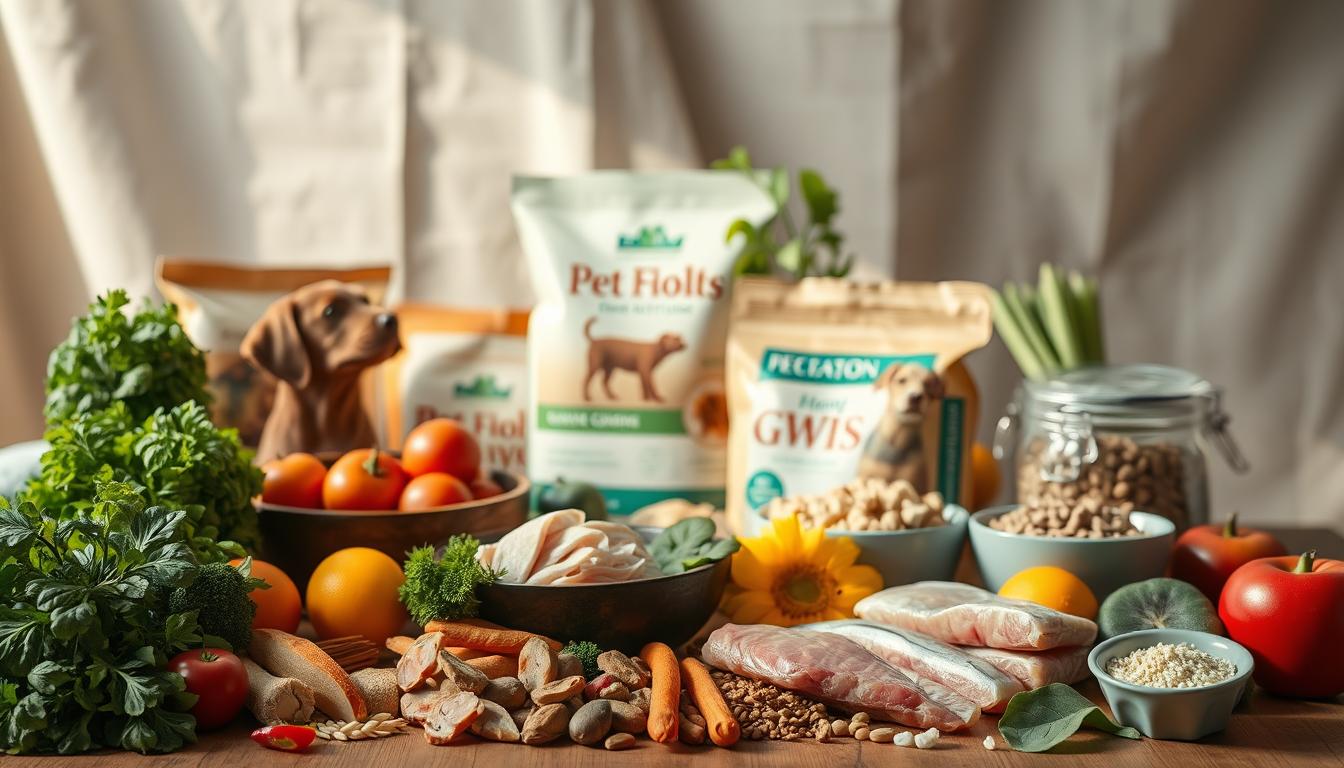
Welcome to your go-to guide for understanding what your furry friend truly needs in their bowl. The world of pet food can feel overwhelming, with countless brands and conflicting advice. This guide will help you cut through the noise.
Proper nutrition is the absolute foundation of your companion’s well-being. It powers their energy, supports their immune system, and keeps their coat shiny. What you feed them directly impacts their long-term health and happiness.
It’s crucial to remember that our canine and feline friends have different biological needs. Their bodies process food differently, which means a one-size-fits-all approach simply doesn’t work. Understanding these differences is the first step to making great choices.
Our goal is to equip you with clear, reliable information. You will learn how to decipher pet food labels, identify quality ingredients, and tailor meals for various life stages. This knowledge empowers you to become your pet’s best advocate.
While this guide offers a strong starting point, every animal is unique. For a plan perfectly suited to your specific companion, consulting with your veterinarian is always the best step. Making informed decisions now can prevent health issues later, ensuring many joyful years together.
Key Takeaways
- Proper food is the cornerstone of your pet’s overall health and longevity.
- Dogs and cats have distinct nutritional requirements based on their biology.
- Learning to read and understand food labels is a powerful skill for any owner.
- High-quality ingredients are vital for supporting energy levels and immune function.
- Dietary needs change throughout a pet’s life, from puppy or kitten to senior.
- This information is a starting point; always consult a vet for personalized advice.
- Smart nutritional choices today can lead to a healthier, happier life for your companion.
Understanding Your Pet’s Nutritional Needs
Just like a house needs a strong foundation, your companion’s health relies on a balanced intake of key nutrients. These building blocks work together to fuel their body and support a long, vibrant life.
The Role of Proteins, Carbohydrates, and Fats
Protein is the superstar nutrient for growth and repair. It builds muscles, organs, and a strong immune system. An adult canine needs a diet with at least 18% protein. Felines, being true carnivores, require a higher minimum of 26%.
Carbohydrates provide essential energy. Canines process them well from grains and veggies. Felines have a much lower requirement due to their carnivorous nature.
Fats are more than just energy. They keep skin healthy and coats shiny. They also support brain function and help control inflammation.
“A balanced diet is not about a single ingredient, but the symphony of nutrients working in harmony to support your pet’s unique biology.”
One critical difference involves the amino acid taurine. Felines must get it from their food for heart and eye health. Canines, however, produce it naturally.
Importance of Vitamins, Minerals, and Water
Vitamins and minerals are vital helpers. They trigger thousands of reactions in the body. They support strong bones, healing, and a healthy nervous system.
Never underestimate the power of water. It is the most crucial nutrient. Water makes up most of your adult animal’s body weight. It aids digestion, carries nutrients, and regulates temperature.
| Nutrient | Primary Function | Key Difference (Dogs vs. Cats) |
|---|---|---|
| Protein | Muscle & tissue building, immune support | Cats need significantly more (26% vs. 18% min.) |
| Taurine | Essential for heart & vision health | Must be in a cat’s diet; dogs make their own |
| Carbohydrates | Primary energy source | Dogs utilize them efficiently; cats have minimal need |
Remember, these nutritional needs are not static. They change with age, activity level, and health. A personalized approach is always best for your companion’s wellbeing.
Key Nutritional Components for Cats and Dogs
Quality nourishment starts with knowing which components truly benefit your furry family member’s system. Different ingredients provide distinct advantages for overall wellbeing.
Essential Protein Sources and Amino Acids
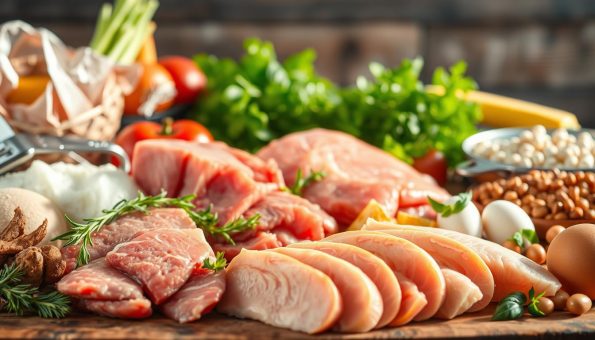
High-quality protein sources like chicken, fish, and eggs deliver complete amino acid profiles. These building blocks support tissue repair and immune function.
Named meat meals offer concentrated protein content compared to fresh meats. Felines require animal-based protein for essential amino acids like taurine.
Healthy Fats, Carbohydrates, and Fiber
Omega-3 and omega-6 fatty acids support skin health and reduce inflammation. These essential fatty acids come from fish oil and poultry fat.
Quality carbohydrate sources like sweet potatoes provide energy without blood sugar spikes. Dietary fiber from vegetables promotes digestive health.
| Nutrient Type | Quality Sources | Key Benefits |
|---|---|---|
| Protein | Chicken, salmon, eggs | Muscle maintenance, immune support |
| Fatty Acids | Fish oil, flaxseed | Skin health, cognitive function |
| Fiber | Sweet potatoes, peas | Digestive regularity, gut health |
The digestibility of these ingredients matters as much as their protein content. Choose food with highly available nutrients for optimal health.
Cat and Dog Nutrition Explained: How to Choose the Best Diet for Your Pet
The debate between commercial pet foods and homemade diets represents a significant crossroads for conscientious owners. Each approach offers distinct advantages that cater to different lifestyles and priorities.
Understanding Your Feeding Choices
Commercial options provide remarkable convenience and nutritional assurance. Dry kibble, canned wet food, and fresh refrigerated varieties undergo rigorous testing to meet established standards.
These products offer complete nutrition with proper vitamin and mineral balances. They save time while ensuring your companion receives a balanced diet.
Homemade diets appeal to owners seeking ingredient control and freshness. Preparing meals allows avoidance of specific allergens and customization for individual needs.
However, creating nutritionally complete homemade food requires professional guidance. Achieving proper mineral ratios and supplementing essential nutrients presents significant challenges.
Many owners find middle ground through combination feeding. High-quality commercial pet food forms the foundation while fresh ingredients serve as healthy additions.
The best choice depends on your pet’s specific requirements, your schedule, and nutritional knowledge. Neither approach is inherently superior—consistency and completeness matter most.
Navigating Pet Food Labels and Ingredient Quality
Behind the colorful packaging and appealing marketing lies crucial information about what’s really in your pet’s food. Learning to decode these labels empowers you to make smarter choices for your companion’s wellbeing.
Decoding Guaranteed Analysis and Ingredient Lists
Ingredient lists show components by weight before processing. High-moisture items like fresh chicken appear first, but their actual protein content decreases after cooking. Look for specific named protein sources early in the list.
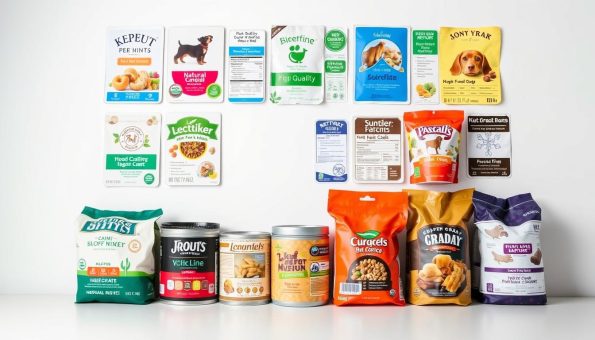
The guaranteed analysis provides nutrient percentages. However, moisture levels vary between dry and wet foods, making direct comparisons tricky. Calculating the dry matter basis gives a fairer nutritional picture.
| Label Component | What It Tells You | Key Consideration |
|---|---|---|
| Ingredient List | Components by pre-processing weight | Moisture content affects ranking |
| Guaranteed Analysis | Minimum/Maximum nutrient percentages | Compare using dry matter basis |
| AAFCO Statement | Nutritional adequacy for life stage | Look for “complete and balanced” |
Be wary of marketing terms like “natural” or “premium” that lack strict definitions. These words often serve as clever branding rather than indicating true nutritional quality.
The AAFCO statement confirms the food meets established standards. It shows whether the formulation supports specific life stages through feeding trials or calculations.
While label reading provides valuable information, it doesn’t reveal everything about digestibility or manufacturing quality. Combine this knowledge with brand reputation and veterinary guidance for the best decisions.
Tips for Special Dietary Requirements and Life Stages
Your companion’s nutritional requirements evolve significantly throughout their lifetime. Young animals need different support than mature or senior ones. Some pets may also develop specific health conditions requiring specialized meals.
Feeding Puppies, Kittens, and Senior Pets
Growing puppies and kittens require approximately twice the calories per pound compared to adult animals. Their rapid development demands higher protein levels and specific nutrient ratios.
Transition young pets to solid food around 3-4 weeks old. Use moistened specialty formulas designed for their life stage. Complete weaning typically occurs by 6-8 weeks.
Adult maintenance focuses on ideal weight management and daily activity support. Senior pets face changing metabolism and digestive efficiency. They often benefit from adjusted calories and joint-supporting ingredients.
Addressing Food Allergies and Chronic Health Conditions
True food allergies involve immune reactions to specific proteins. Common triggers include chicken, beef, and dairy. Symptoms often include persistent itching and skin inflammation.
Elimination diets remain the gold standard for diagnosis. This requires 8-12 weeks feeding a novel protein source. All other treats and foods must be strictly avoided during this period.
Chronic health conditions like kidney disease or diabetes need therapeutic diets. These specialized formulas help manage specific issues. Always use prescription diets under veterinary supervision with regular monitoring.
Balancing Homemade, Commercial, and Therapeutic Diets
Your pet’s diet should be as unique as their personality and health needs. Different feeding approaches offer distinct advantages depending on your companion’s situation.
Pros and Cons of Diet Alternatives
Commercial dry food provides excellent convenience and dental benefits through chewing action. Premium kibble delivers complete nutrition when properly formulated.
Wet food offers higher moisture content, supporting hydration. This benefits animals with kidney issues or those who drink less water. The enhanced palatability also helps picky eaters.
Therapeutic diets address specific health conditions like diabetes or obesity. These specialized formulas require veterinary supervision. They provide controlled calories and modified nutrient levels.
Many owners find success with combination feeding strategies. Mixing wet and dry foods or adding fresh toppers maintains variety. This approach keeps meals interesting while ensuring nutritional completeness.
Always transition between foods gradually over 7-10 days. Start with 25% new food mixed with 75% current food. This prevents digestive upset and allows adjustment.
Measure portions accurately rather than estimating. Account for treats within the daily calorie allowance. Adjust amounts based on your pet’s body condition and activity level.
The optimal feeding strategy depends on health status, life stage, and individual preferences. Consult your veterinarian to create the perfect plan for your companion.
Incorporating Outdoor Adventures with Nutritional Balance
Taking your furry friend on outdoor excursions requires thoughtful dietary planning to match their increased energy needs. Active lifestyles demand special consideration for your companion’s wellbeing.
Adapting Diet Plans for Active Pet Lifestyles
Highly active animals need performance diets with increased fat content. This provides concentrated energy for sustained physical activity.
Working breeds and adventure companions benefit from these specialized formulas. They maintain energy levels without excessive food volume.
Hydration becomes crucial during outdoor activities. Plan for frequent water breaks and carry adequate supplies. Adjust feeding schedules to avoid large meals before strenuous exercise.
| Activity Level | Caloric Increase | Key Nutrient Adjustments |
|---|---|---|
| Moderate (weekly hikes) | 10-20% more calories | Slightly higher protein |
| High (daily running) | 20-40% more calories | Increased fat content |
| Extreme (working dogs) | 40-60% more calories | Performance diet formulas |
Enhancing Outdoor Experiences with Quality Pet Gear
Tailyan’s outdoor products help create safe, comfortable adventures. Their quality backpacks allow you to carry tired companions or essential supplies.
Specialized tents provide secure resting spaces during camping trips. This gear ensures your pet stays protected from elements.
Even indoor cats can enjoy supervised outdoor experiences. Proper safety gear and dietary adjustments support their enrichment.
Combining proper nutrition with quality equipment creates unforgettable bonding moments. Your adventurous companion will thrive with this holistic approach.
Conclusion
Understanding the connection between quality nourishment and active living transforms your relationship with your furry companion. The information you’ve gathered about proper feeding practices directly supports your pet’s ability to enjoy life to the fullest.
Remember that every animal has unique needs. Regular consultations with your veterinarian ensure personalized diets that evolve with your companion’s life stages. This professional guidance helps maintain optimal health.
Investing in proper nutrition pays dividends through reduced vet visits and more energetic years together. You’re giving your beloved pet the foundation for a vibrant, joyful life.
Combine this knowledge with Tailyan’s durable outdoor gear for unforgettable adventures. Well-nourished companions have the energy to explore trails and create lasting memories with their pet owners.