Welcome to your complete guide for creating a wonderful connection with your furry friend. Many owners face challenges when their energetic companion shows stubborn tendencies. This journey isn’t just about correcting unwanted actions.
Effective methods focus on building trust and clear communication. They create mutual understanding that strengthens your special connection. The right approach considers your dog’s unique personality and individual needs.
Whether you have a new puppy or an adult with established habits, it’s never too late to begin. This guide covers everything from fundamental obedience to more advanced techniques. You’ll transform frustrating sessions into rewarding experiences for both of you.
We’ll explore practical, science-based methods that emphasize positive interactions. Many people experience emotional highs and lows during this process. These feelings are completely normal when working with your canine companion.
You’ll learn to understand your dog’s perspective and use effective tools properly. Our goal is to help create outdoor adventures that are both safe and enjoyable for everyone involved.
Key Takeaways
- Training focuses on building trust and communication, not just correcting behavior
- Every dog has unique needs that require a personalized approach
- It’s never too late to start training, regardless of your dog’s age
- Positive reinforcement creates more effective and enjoyable sessions
- Understanding your dog’s perspective leads to better results
- Consistency and patience are essential for long-term success
- Proper training makes outdoor activities safer and more fun
Getting Started with Pet Training
Effective canine learning begins with a well-structured approach to initial sessions. This foundation sets the stage for all future progress and relationship building.
Setting Clear Goals
Start by identifying specific objectives for your companion’s development. Whether mastering fundamental instructions or improving leash manners, clear targets guide your efforts.
Realistic, measurable goals help track advancement and maintain motivation. This approach works especially well with energetic breeds that require focused direction.
Establishing a Consistent Routine
Regular schedules create predictable environments where animals feel secure. This stability reduces anxiety and accelerates the learning process.
Consistency means using identical words, tones, and signals for each instruction. Ensure all household members follow the same methods to prevent confusion.
Short, focused sessions work better than lengthy ones. Build gradually on foundational obedience skills without overwhelming your companion.
Patience during this phase creates lasting benefits. Animals who understand basic patterns respond better to advanced challenges later.
Essential Techniques in Pet Training Basics: Fix Bad Behavior and Build a Stronger Bond
Modern canine education centers on proven psychological principles that create willing learners. These approaches transform instruction into enjoyable interactions for both parties.

Positive Reinforcement Strategies
This cornerstone method focuses on rewarding desired behavior rather than correcting mistakes. Immediate treats, praise, or play create strong mental connections.
Clicker training offers precision within this approach. The sharp sound marks exact moments of success before delivering rewards.
Operant Conditioning Insights
Dogs learn through associating actions with consequences. B.F. Skinner’s research shows how reinforcement strengthens behavior patterns.
Positive reinforcement proves most effective among the four conditioning quadrants. It builds enthusiasm rather than fear during learning sessions.
Building Trust Through Consistency
Regular application of these techniques creates clear communication. Animals respond better when they understand consistent expectations.
This method develops mutual respect through predictable, positive experiences. Patience during this process yields lasting behavioral changes and deeper connections.
Understanding Your Dog’s Behavior and Communication
Observing your dog’s behavior provides a clear window into their emotional world. This understanding is fundamental to successful learning. It allows you to respond to their needs, not just their actions.
Effective communication is a two-way street. By learning their language, you build a relationship based on empathy and trust.
Interpreting Body Language
Dogs express themselves through posture and movement. A high, wagging tail often shows excitement. A tail tucked between the legs signals fear or anxiety.
Ears also tell a story. Forward-facing ears suggest curiosity. Flattened ears can mean stress or submission.
Watch for subtle calming signals. Yawning or lip-licking can reveal discomfort. Turning their head away is another common cue.
Recognizing these signs helps you adjust your approach before a situation escalates.
Identifying Behavioral Triggers
Unwanted behaviors often have specific causes. Barking or pulling might be reactions to strangers, loud noises, or boredom.
Identifying these triggers is key to addressing the root of the problem. A lack of exercise can lead to frustration and destructive behaviors.
Keeping a simple journal can help you spot patterns. Note when and where certain reactions happen.
This understanding creates a foundation for effective, stress-free sessions. You respond to your dog’s actual needs.
Creating a Safe and Engaging Outdoor Training Environment
Taking your companion’s learning sessions outside opens up a world of new possibilities. Practicing in different locations helps them use their skills anywhere. This builds reliable responses, even with new distractions.
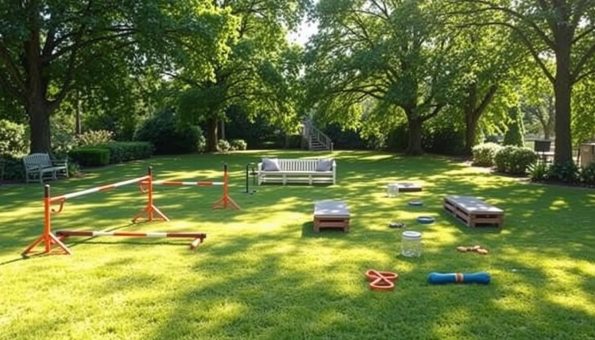
Safety is the top priority for any outdoor activity. A secure space lets your furry friend focus without risks like traffic or unknown animals.
Incorporating Tailyan Outdoor Products for Safety and Comfort
The right gear makes all the difference. Quality equipment ensures control and comfort for both of you. Tailyan designs products specifically for adventurous owners and their canine pals.
Their durable backpacks are perfect for carrying smaller dogs on hikes. Secure leashes and harnesses provide peace of mind. A comfortable tent creates a familiar resting spot away from home.
These items transform routine practice into exciting adventures. They strengthen your connection through shared positive experiences.
This table compares essential gear for different outdoor settings:
| Environment | Essential Gear | Key Benefit |
|---|---|---|
| Local Park | Standard Leash, Treat Pouch | Basic Control & Reward Access |
| Hiking Trail | Adventure Backpack, Harness | Safety on Uneven Terrain |
| Beach Day | Portable Water Bowl, Shade Tent | Hydration & Sun Protection |
Socialization happens naturally in these varied environments. Your dog meets new people and animals in a controlled way. Investing in reliable products ensures every outing is a success.
Practical Tools and Methods for Effective Dog Training
Having the right gear makes your canine education sessions smoother and more productive. Quality equipment supports clear communication between you and your furry companion. These tools help channel energy into positive learning experiences.
Choosing the Right Equipment
Select tools that match your dog’s size and energy level. A sturdy leash combined with a no-pull harness provides control during walks. This setup manages pulling behaviors comfortably.
Keep a treat pouch handy for immediate rewards. Interactive toys like puzzle feeders engage your dog’s mind. They make learning fun while reinforcing good behaviors.
Implementing Reward Systems
Match your rewards to the difficulty of each task. Simple commands might only need verbal praise. More challenging behaviors deserve high-value treats or favorite toys.
Gradually mix in praise with treat rewards to prevent dependency. This method maintains enthusiasm while building intrinsic motivation.
Managing Unwanted Behaviors
Redirect rather than punish unwanted actions. Teach “drop it” for inappropriate items. Use “off” for jumping on people.
Consistency with these methods helps your dog understand expectations. Quality equipment lasts longer and creates safer learning environments.
Avoiding Common Pitfalls in Pet Training
Achieving harmony with your four-legged friend requires awareness of the stumbling blocks that frequently derail progress. Even the most dedicated owners can accidentally create confusion through simple communication errors.
Recognizing these common missteps early prevents frustration for both you and your canine companion. This awareness transforms challenging moments into opportunities for growth.
Recognizing Inconsistent Commands
Clear communication begins with consistent language. Using different words for the same instruction creates confusion that slows learning progress.
Every family member should use identical phrases for each action. If one person says “down” for lying down while another uses it to stop jumping, your dog won’t understand expectations.
This consistency extends to tone and body language. Mixed signals undermine your efforts and delay results.
Steering Clear of Negative Reinforcement Pitfalls
Relying too heavily on punishment creates fear and damages trust. Positive punishment involves adding unpleasant consequences to stop unwanted behaviors.
This approach often backfires, creating anxiety that hinders learning. Dogs who feel threatened cannot focus on instruction.
Negative reinforcement removes something unpleasant when your dog complies. While sometimes effective, it creates stress around sessions.
Short, focused practice works better than marathon sessions. Keep instruction to 5-10 minutes to maintain engagement.
When behavioral issues persist, seeking professional guidance prevents frustration. Early intervention creates better outcomes for everyone involved.
Advanced Training Tips for a Strong Bond with Your Pet
Elevating your canine companion’s skills to the next level strengthens your mutual understanding. These advanced methods go beyond simple obedience, creating a more dynamic and fulfilling partnership.
Teaching Complex Commands and Tricks
Introduce multi-step tasks that combine known behaviors. A sequence like “fetch the toy, bring it here, and sit” challenges problem-solving skills.
Break new tricks into small, achievable steps. Reward each success with immediate praise. This builds confidence and ensures solid learning.
Short, focused sessions of 10-15 minutes maintain enthusiasm. Always end on a positive note with a successfully performed desired behavior.
Leveraging Environmental Stimuli
Practice commands in different locations to ensure reliable responses. A busy park or a new neighborhood adds valuable distractions.
This approach teaches your dog to focus on you despite interesting sights and sounds. It builds incredible adaptability and trust.
Tailor activities to your dog’s natural instincts. A retriever might love advanced fetching games. A herding breed could enjoy directional exercises.
The goal is a confident, mentally engaged companion. This deepens your relationship through shared accomplishment and clear communication.
| Training Environment | Skill Focus | Benefit |
|---|---|---|
| Quiet Backyard | Learning New Trick Steps | Minimal Distractions for Focus |
| Local Park | Reliability with Distractions | Generalizing Commands to New Settings |
| Hiking Trail | Off-Leash Focus & Recall | Building Trust in Stimulating Environments |
Conclusion
As you apply these proven methods, you’ll discover that the true reward lies in the deepened connection you share with your dog. The journey of canine education transforms routine interactions into meaningful moments of understanding.
Consistency with positive reinforcement creates lasting behavioral changes. Your patience and adaptability to your companion’s unique needs build a foundation of trust. This approach makes every walk and adventure more enjoyable for both of you.
Tailyan’s commitment to safety and comfort enhances your outdoor experiences. Their durable gear supports your training efforts in various environments. Quality equipment ensures memorable adventures while reinforcing good behavior.
Remember that this process is ongoing. Celebrate each small victory as it strengthens your relationship. The effort you invest today creates a lifetime of companionship built on mutual respect and clear communication.