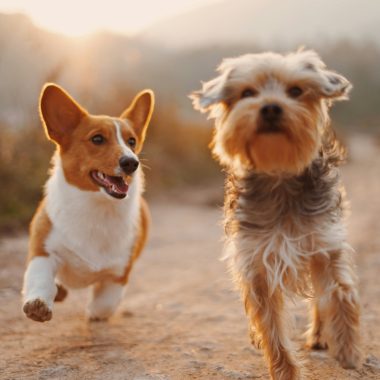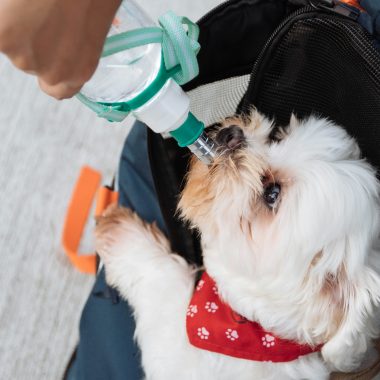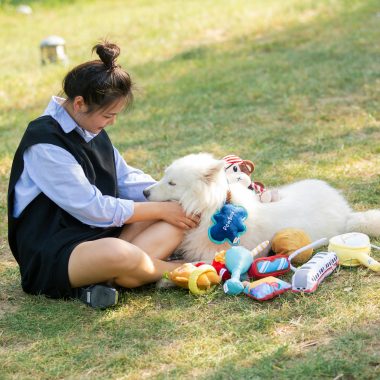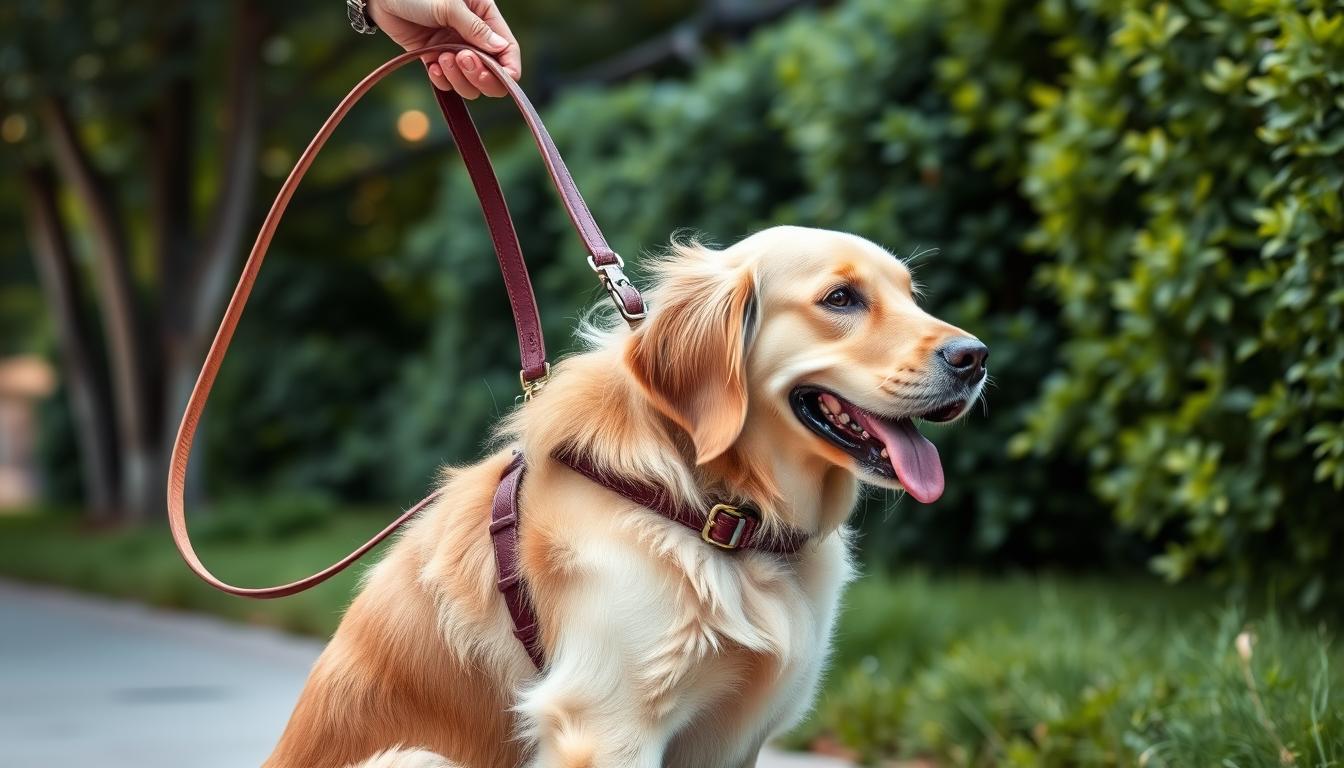
Taking your furry friend for a stroll is one of life’s simple joys. It offers great exercise and fresh air for both of you. These outings strengthen your bond and provide essential mental stimulation for your pet.
Using a leash is often a legal rule in many towns. More importantly, it is a critical part of keeping your companion secure. Proper equipment prevents your dog from darting into traffic or chasing after distractions.
Even the best-trained dogs can get tempted by a squirrel or a sudden noise. A reliable leash and harness are your best tools for control. This shows courtesy to neighbors and keeps other animals safe too.
This guide will walk you through choosing the right gear and using it correctly. Our goal is to make every walk a confident and pleasant experience. You will learn simple techniques to protect your beloved pet from harm.
Key Takeaways
- Walking your pet provides essential exercise and strengthens your relationship.
- Using a leash is crucial for your dog’s safety and is often required by law.
- Even well-behaved dogs can be distracted, making a secure leash necessary.
- The right equipment prevents accidents and shows respect for others.
- This guide covers gear selection and training for safer, more enjoyable walks.
Essential Outdoor Gear for You and Your Pet
Venturing into the great outdoors with your four-legged companion opens up a world of shared experiences. Basic equipment gets you started, but specialized gear elevates every adventure.
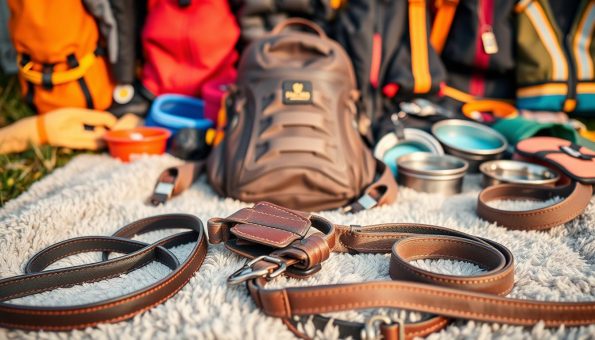
Tailyan creates products specifically for nature-loving pet parents. Our range includes innovative backpacks, comfortable tents, and durable adventure accessories.
Choosing the Right Pet Backpacks, Tents, and Adventure Accessories
Specialized pet backpacks carry supplies or smaller animals on longer hikes. Quality tents provide secure shelter during camping trips after active days.
These items address your pet’s need for physical exercise and mental stimulation. They transform routine walks into memorable explorations of various environments.
Ensuring Safety, Comfort, and Durability on Every Adventure
Tailyan’s focus on safety features and ergonomic design ensures reliable performance. Durable construction withstands the demands of outdoor exploration with animals.
Proper preparation at home meets your pet’s complete wellness needs. This gear complements your leash by providing additional security during extended excursions.
Every piece is designed to make outdoor adventures comfortable and safe for both of you. This creates unforgettable memories while keeping your companion protected.
Leash and Harness Safety Tips Every Dog Owner Should Know
The equipment you choose for walks directly impacts the safety and enjoyment of your outings together. Proper selection prevents discomfort and potential injuries for both handler and pet.
Key Safety Considerations for Collars, Harnesses, and Leashes
Start with a six to ten foot lead that feels comfortable in your hands. The width should prevent friction burns when your companion pulls, yet remain lightweight for their comfort.
Avoid retractable options that can cause serious injuries. These devices may lead to whiplash or burns for both people and animals during sudden movements.
For neck gear, use a flat collar fitted to allow two to four fingers between the material and your pet’s neck. It should be snug enough to prevent slipping over the head without restricting breathing.
Training collars that rely on pain should never be used. These include slip, choke, prong, or electronic devices that can cause severe injury and damage trust.
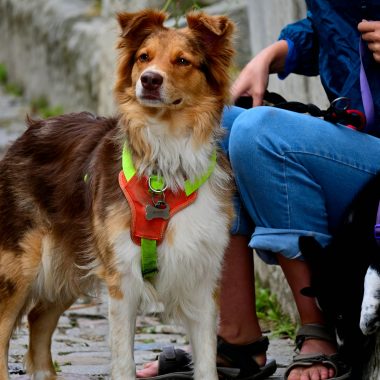
Harnesses distribute pressure across the chest rather than concentrating it on the vulnerable neck area. Look for H-style or Y-style designs that allow free shoulder movement and have multiple attachment points.
Always inspect equipment before walks. Replace any frayed or damaged gear immediately to prevent breakage situations. Match the size and strength of your gear to your specific companion’s needs.
Proven Training Techniques for Loose Leash Walking
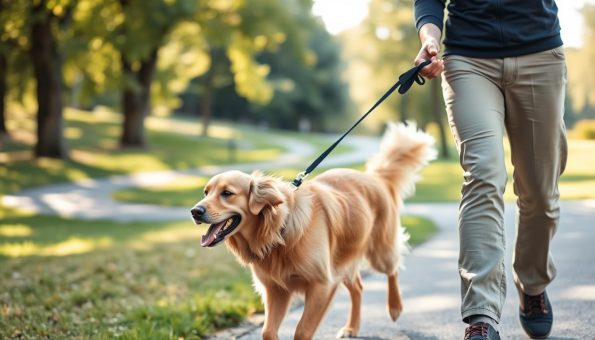
Effective leash training begins with recognizing why animals pull and how to redirect their energy. Most pets want to explore their surroundings at their own pace. Understanding this natural instinct is the first step toward successful walks.
Mastering the ABC Method for Effective Leash Work
The ABC method helps identify what triggers pulling behavior. Antecedent refers to what happens right before the pulling starts. Behavior is the actual pulling action your pet displays.
Consequence means what your companion gains from this behavior. Animals repeat actions that bring them meaningful results. This framework forms the foundation for modifying walking habits.
Using Treats and Positive Reinforcement to Guide Behavior
Positive reinforcement makes training enjoyable for both of you. Wear a treat pouch for easy access during sessions. Reward desired actions within seconds for maximum impact.
Start with luring techniques by holding treats at nose level. Deliver rewards every few steps to maintain focus. Gradually increase distance between treats as skills improve.
Balancing Equipment Choices: Retractable vs. Fixed Leashes
Fixed-length options provide clearer communication during training. They offer better control when teaching spatial boundaries. Consistency in gear helps pets learn faster.
Retractable devices can confuse animals learning proper walking etiquette. Stick with standard equipment until your companion masters basic skills. This approach builds confidence and reliability.
Conclusion
Building reliable walking habits creates freedom and security for you and your four-legged friend. The right equipment combined with positive training techniques forms the foundation for enjoyable outdoor experiences.
Start implementing these methods gradually in familiar settings around your home. Patience and consistency are essential when working with any dog. Skills develop through regular practice and positive reinforcement.
Your investment in proper gear and training time pays off with safer, more confident adventures. These practices protect your pet from potential hazards while showing courtesy to other people and animals.
Every owner can master these techniques, regardless of their dog’s current behavior. The result is a stronger bond and more freedom to explore the world together with your canine companion.