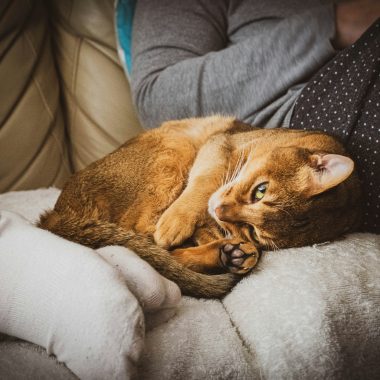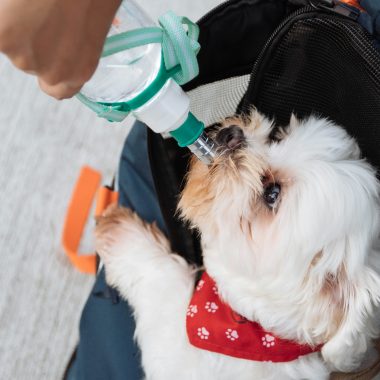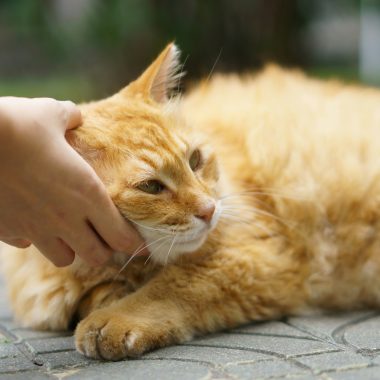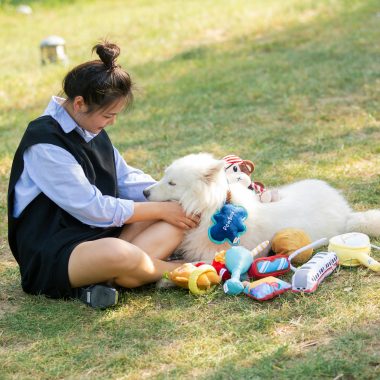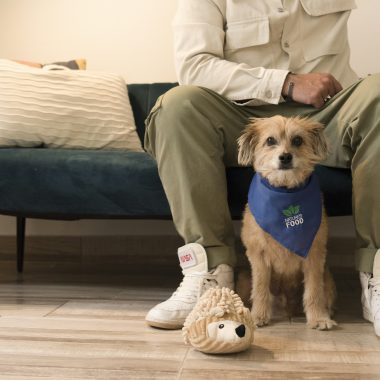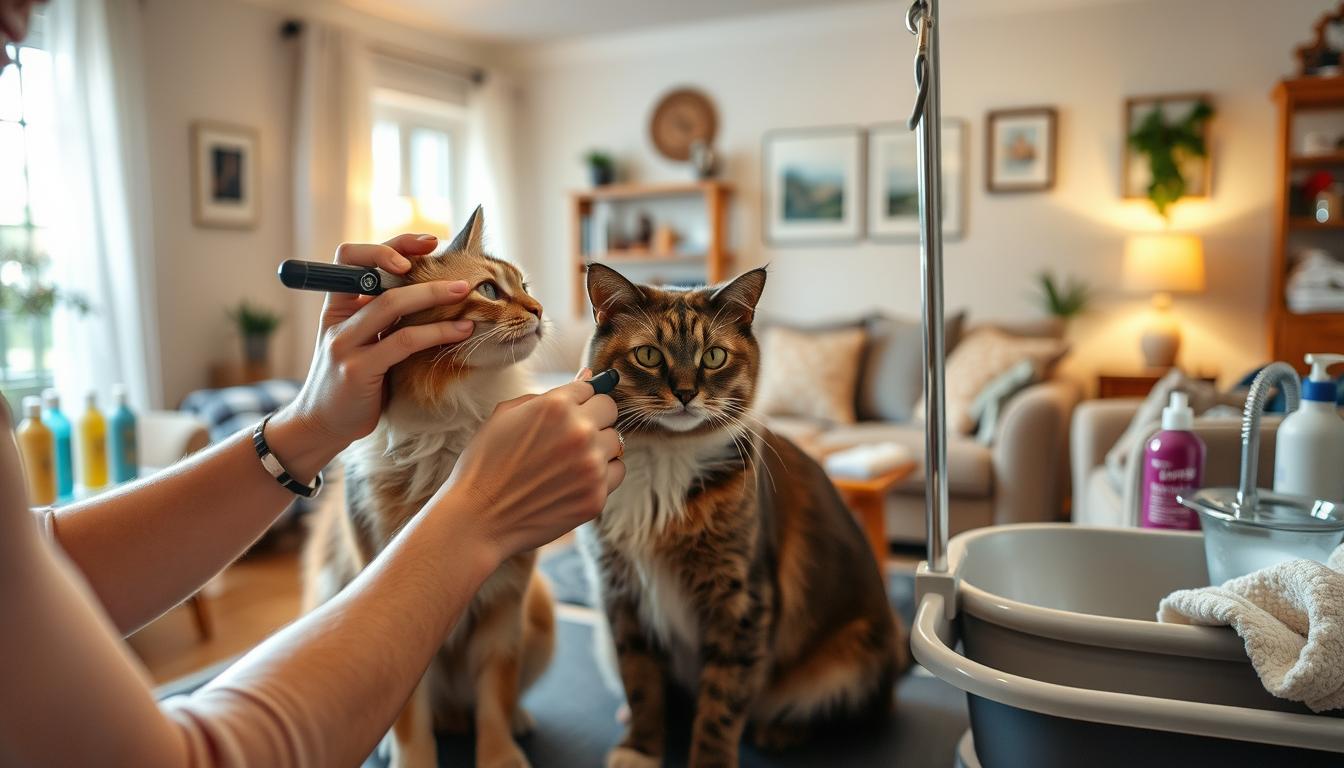
Sharing adventures with your furry friend creates unforgettable memories. A comfortable companion makes every trip better. Regular care sessions at your house are a fantastic way to ensure your pal is always ready for fun.
This routine is about more than just a neat appearance. It’s a key part of proactive health maintenance. While brushing and checking, you might find a small bump or a patch of sore skin. Catching these things early can make a big difference.
Many families discovered the joys of managing this care themselves in recent years. With a little guidance and the right tools, you can build a new level of confidence and connection. It strengthens the trust between you and your animal.
Whether your buddy has short hair or long fur, a consistent schedule benefits their well-being. This guide will show you how to make it a positive experience for everyone. You’ll learn simple techniques that promote a happy, active lifestyle together.
Key Takeaways
- Regular care strengthens the bond with your animal companion.
- These sessions are a crucial part of preventive health maintenance.
- You can spot potential physical issues early during routine checks.
- Many owners successfully manage this care at home with proper tools.
- A consistent routine benefits both physical and emotional well-being.
- A well-maintained companion is more comfortable on outdoor adventures.
- Patience and positive reinforcement make the process enjoyable for all.
Introduction: Why Grooming is Key for a Happy Pet
Quality time spent on upkeep rituals builds a foundation of trust that extends beyond grooming. This dedicated attention creates a special connection between you and your animal companion.
Building a Bond Through Regular Grooming
Regular sessions become precious moments of one-on-one interaction. Gentle touch and patient handling make your furry friend feel safe and loved.
Practice gentle leadership during these times. Be kind but consistent. Your companion learns that maintenance is a normal part of life. This approach reduces anxiety and stress over time.
Recognizing When Your Pet Needs a Clean-Up
Watch for clear signs that attention is needed. A dull or greasy coat, visible tangles, or clicking nails signal it’s time for care. Excessive scratching or unusual odors also indicate needs.
Establishing a routine prevents problems before they start. Consistent maintenance keeps the skin and coat in optimal condition. Each session becomes shorter and more pleasant.
| Sign | What It Means | Recommended Action | Frequency Check |
|---|---|---|---|
| Dull coat | Needs brushing/nutrients | Brush and assess diet | Weekly |
| Clicking nails | Nails too long | Trim carefully | Monthly |
| Excessive scratching | Skin irritation possible | Check for parasites | Immediately |
| Visible mats | Coat maintenance needed | Gentle detangling | As noticed |
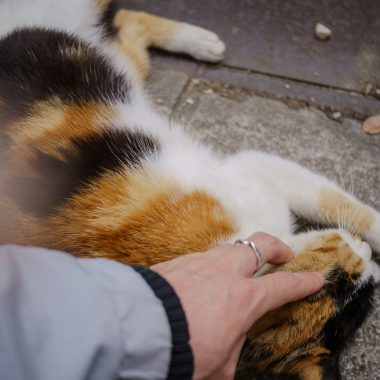
Regular handling during care allows you to monitor your companion’s health. You can detect lumps, hot spots, or tender areas early. This proactive way supports overall pet health and catches potential issues before they worsen.
Understanding Your Pet’s Grooming Needs
Recognizing the individual needs of your companion’s coat and skin type is essential for effective maintenance. Each animal has unique requirements based on their breed and characteristics.
Different Coat Types and Their Specific Care
Smooth, short coats like those on Boxers need weekly brushing with rubber and bristle brushes. This removes dead hair and keeps the skin healthy.
Short, dense fur found on Retrievers requires weekly slicker brush sessions to prevent mats. Long-haired breeds like Collies need daily attention with proper tools.
Special care is vital for animals with wrinkled skin. Breeds like Pugs need regular cleaning in their folds to prevent irritation and infections.

Identifying Early Signs of Skin and Coat Issues
Healthy skin should be smooth without redness or flakiness. The coat should appear shiny without bald patches or excessive shedding.
Watch for warning signs like constant scratching or red patches. These may indicate parasites or other health issues needing attention.
| Coat Type | Breed Examples | Care Frequency | Tools Needed |
|---|---|---|---|
| Smooth Short | Chihuahua, Boxer | Weekly | Rubber brush, Bristle brush |
| Short Dense | Retriever, Shepherd | Weekly | Slicker brush |
| Long Luxurious | Yorkshire Terrier, Collie | Daily | Slicker brush, Comb |
| Wrinkled Skin | Shar Pei, Bulldog | Daily cleaning | Soft cloth, Drying towel |
Environmental factors and diet affect coat quality. Persistent problems may require veterinary care rather than just increased grooming efforts.
Pet Grooming & Hygiene Tips: Keep Your Cat or Dog Clean and Healthy at Home
Confidence in handling basic care tasks comes from understanding the proper sequence. A logical flow makes the entire experience smoother for you and your furry family member.
Step-by-Step At-Home Grooming Process
Always begin with a gentle assessment. Run your hands over your animal’s body to check for lumps or sore spots. This builds trust and ensures safety before you start.
Next, tackle the brushing session. This removes loose hair and prevents painful mats. Use a slicker brush for long coats and a bristle brush for short ones. Work in the direction of hair growth.
After brushing, you can proceed to the bath. Gather your shampoo, towels, and cotton balls first. Use warm water and lather from the neck down, avoiding the face initially. A complete rinse is crucial for skin health.
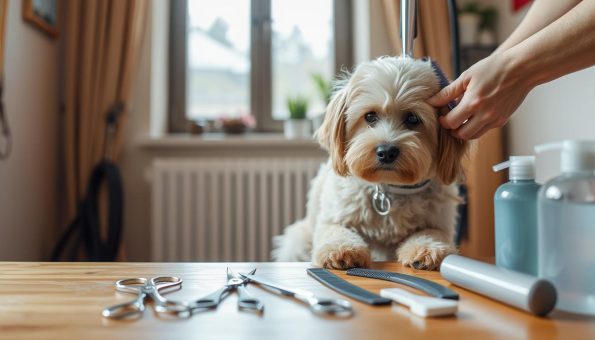
Best Practices for Bathing, Brushing, and Nail Trimming
Paw care is essential for comfort. Trim nails carefully, a little at a time. Avoid the quick—the pink area inside the nail. For dark nails, extra caution is needed.
Weekly cleaning of ears with a damp cotton ball helps prevent infections. Also, introduce teeth brushing gradually with animal-friendly toothpaste.
| Task | Key Tool | Best Practice | Frequency Guide |
|---|---|---|---|
| Brushing | Slicker Brush | Brush before bathing | Long-haired: Daily; Short-haired: Weekly |
| Bathing | Animal-Safe Shampoo | Use warm water, rinse thoroughly | Dogs: Every 4-6 weeks; Cats: As needed |
| Nail Care | Pet Nail Clipper | Trim small amounts, avoid the quick | Every 10-14 days |
Establishing this routine at home keeps your dog or cat feeling their best. Short, positive sessions build a lasting foundation of well-being.
Advanced At-Home Grooming Techniques and Tools
Building your confidence with advanced tools takes your home care routine to the next level. The right equipment makes the entire process smoother and safer for your furry companion.
Selecting the correct brush is the first step. A slicker brush is perfect for tackling mats in long-haired friends. For short-haired pals, a rubber curry brush effectively removes loose hair and dirt.
Nail maintenance requires special attention. Using a quality clipper or grinder designed for your animal’s size is crucial. Always have styptic powder on hand for any mishaps.
Choosing the Right Brushes, Clippers, and Cleaners
Your animal’s specific needs dictate the best tools. Double-coated breeds benefit from an undercoat rake during shedding season.
Always use a shampoo formulated for animals to prevent skin irritation. An ear cleaner approved by a veterinarian is essential for routine cleaning.
Investing in proper equipment supports effective care between professional grooming visits.
| Tool Type | Best For | Safety Tip |
|---|---|---|
| Slicker Brush | Long coats, removing tangles | Be gentle to avoid scratching skin |
| Nail Grinder | Pets nervous about clipping | Introduce slowly to reduce stress |
| Rubber Curry Brush | Short-haired breeds | Massages skin while brushing |
| Ear Cleaner | Preventing infections | Use a cotton ball to avoid deep insertion |
Ensuring Safety and Minimizing Stress During Grooming
Creating a calm environment is key to a positive experience. Work on a non-slip surface and keep sessions short, especially at first.
Handle your companion’s feet regularly without tools to build comfort. Offer high-value treats to create positive associations.
If you encounter severe mats or your friend shows extreme stress, consult a groomer or your veterinarian. Their expertise ensures safety and well-being.
Conclusion
Establishing a consistent care routine transforms maintenance from a chore into a rewarding ritual. This regular attention becomes an investment in your animal’s overall well-being, not just their appearance.
With patience and the right approach, these sessions build trust and strengthen your connection. Your furry friend learns to associate care with positive experiences and treats.
Remember that knowing when to seek professional help is just as important as home care. Severe mats or signs of health issues warrant a visit to your veterinarian or groomer.
A well-maintained companion is more comfortable and ready for life’s adventures. Your dedication to their care ensures many happy years together.