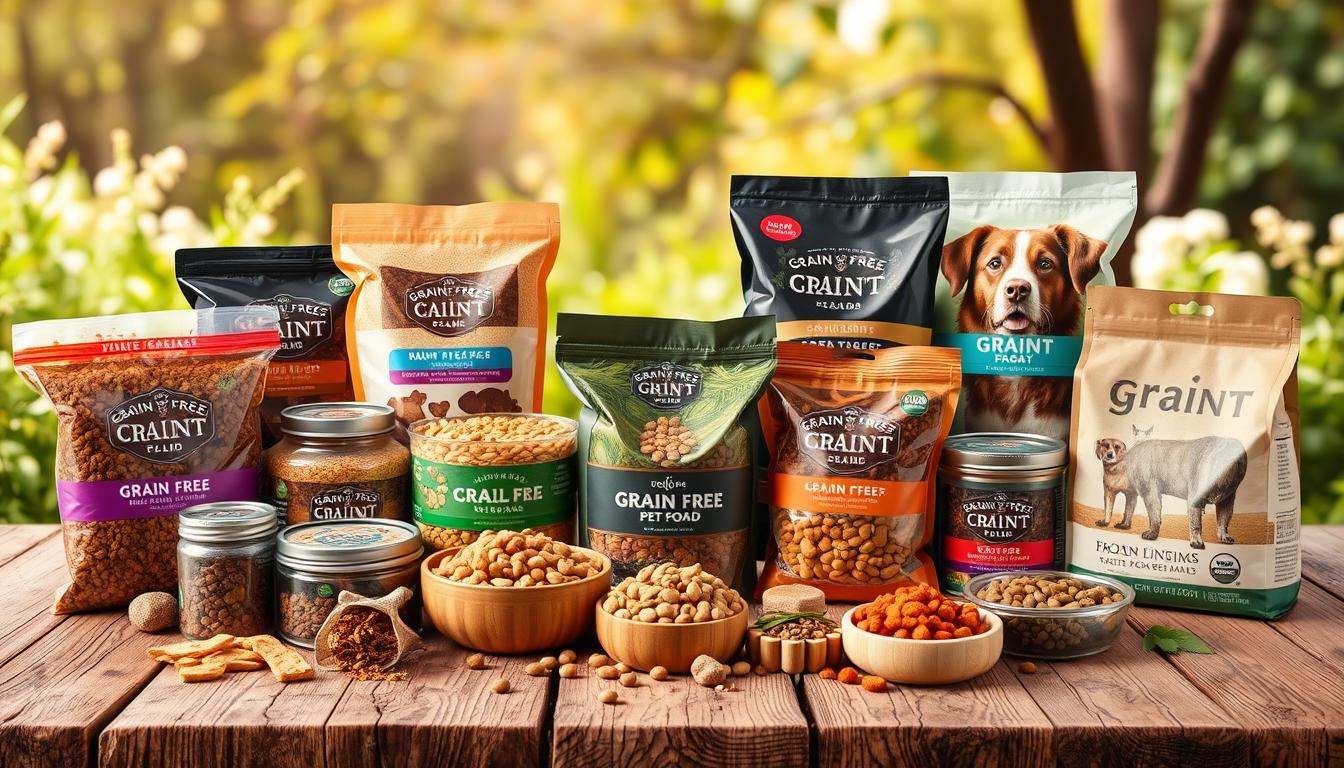
Choosing the right nutrition for your furry companion can feel overwhelming. With endless options lining store shelves, pet parents must balance trendy claims with their animal’s unique needs. Specialized formulas have surged in popularity, often mirroring human food trends—but what works for people doesn’t always translate to pets.
Recent debates focus on whether certain ingredients truly support optimal health. While some animals thrive on alternative meal plans, others may miss essential nutrients. Always consult your veterinarian before making dietary changes, especially if your cat or dog joins you on hikes or outdoor adventures.
This guide cuts through the noise. We’ll explore how modern nutritional science applies to your pet’s bowl, helping you prioritize their well-being without falling for marketing gimmicks. Whether you’re packing treats for a mountain trail or serving meals at home, informed choices matter.
Key Takeaways
- Nutritional needs vary between individual pets
- Human diet trends don’t always benefit animals
- Consult a vet before changing meal plans
- Quality ingredients matter more than labels
- Active pets may have unique dietary requirements
Introduction to Grain-Free Pet Nutrition Trends
The pet food aisle tells a story of shifting priorities. What began as niche veterinary recommendations now fills entire shelves. Let’s explore how this shift happened—and why some assumptions might need a second look.
The Evolution of Grain-Free Diets in Pets
Specialized animal nutritionists first suggested alternative meal plans for pets with specific health needs. These early recommendations focused on managing allergies or digestive issues through carefully monitored diets. But things changed when human food trends entered the picture.
By the early 2000s, low-carb eating became popular among people. Pet food companies noticed and started creating high-protein options mirroring these trends. Ingredients like potatoes replaced traditional carbohydrate sources such as corn, appealing to owners seeking “natural” alternatives.
Common Misconceptions About Grains in Pet Foods
Many assume grains are just cheap fillers. In reality, they provide vital nutrients. For example, corn offers digestible energy and supports muscle function. Wild carnivores also consume plant matter indirectly through their prey’s stomach contents.
| Nutrient Source | Grain-Based Foods | Grain-Free Alternatives |
|---|---|---|
| Carbohydrates | Rice, barley | Sweet potatoes, peas |
| Protein Sources | Chicken meal | Salmon, lentils |
| Fiber Sources | Oat bran | Pumpkin, chicory root |
Marketing often overshadows science in pet food choices. While some animals benefit from specialized nutrition, most thrive on balanced meals containing varied ingredients. Always prioritize your pet’s unique needs over packaging claims.
Understanding “grain free diet benefits for cats and dogs”
Navigating pet food labels requires more than a quick glance—it demands knowing what those terms actually mean. Clear definitions matter when selecting meals for active companions who need sustained energy during hikes or play sessions.
Defining Grain-Free Standards in Pet Nutrition
Regulatory bodies enforce strict guidelines for formulas labeled as grain-free. These rules exclude barley, corn, oats, rice, rye, wheat, and their derivatives like bran or gluten. If a product contains none of these, it earns the grain-free designation.
This classification automatically makes the food gluten-free too. Manufacturers don’t need separate labels since gluten only exists in specific grains. Such clarity helps owners choose options aligning with their pet’s needs.
High-quality recipes replace traditional grains with nutrient-rich alternatives. Sweet potatoes and lentils provide carbohydrates, while premium meats supply essential proteins. These ingredients support muscle health and vitality, especially for adventurous pets.
Always check the ingredient list rather than relying solely on front-label claims. Reputable brands transparently list sourcing details and nutritional analyses. This practice ensures your cat or dog receives balanced meals tailored to their lifestyle.
Unpacking the Pros and Cons of a Grain-Free Diet for Pets
Modern pet nutrition trends spark debates among veterinarians and owners alike. While some animals show improved vitality on specialized meal plans, others face unexpected challenges. Let’s examine both sides to help outdoor enthusiasts make informed choices for their adventure companions.
Enhanced Nutrition and Allergy Management
High-protein formulas often feature quality meat sources like bison or salmon. These support lean muscle maintenance in active dogs who hike or swim regularly. A 2022 study found 68% of pets showed increased stamina when switching to nutrient-dense options.
For the 10% of animals with confirmed food allergies, eliminating specific ingredients can reduce itching and ear infections. However, most reactions stem from proteins like chicken—not grains. Always request allergy testing before overhauling meals.
Hidden Risks and Nutritional Gaps
The FDA recently identified a link between certain formulas and heart issues in susceptible breeds. Dilated cardiomyopathy cases rose 300% among dogs eating exotic-ingredient diets between 2018-2022.
| Nutrient Focus | Traditional Foods | Grain-Free Alternatives |
|---|---|---|
| Protein Sources | Chicken, beef | Venison, duck |
| Carbohydrates | Rice, oats | Lentils, peas |
| Fiber Content | 3-5% | 4-7% |
Ingredient Quality Matters Most
Premium food brands—whether traditional or alternative—prioritize digestible proteins and balanced minerals. Check for AAFCO statements ensuring complete nutrition. Remember: active pets need 30% more calories than sedentary companions, so weight management requires careful portioning.
When exploring specialized diets, consult your vet about your companion’s unique needs. Blood tests and activity assessments help create meal plans that fuel adventures without compromising health.
Considerations for Transitioning to a Grain-Free Diet
Switching your pet’s meals requires careful planning. Whether you’re prepping for a camping trip or daily play sessions, their food must support energy levels without causing digestive chaos. Let’s explore how to make this change safely.
Consulting with Your Veterinarian
Always start with a vet visit. Professionals spot red flags like itchiness or ear infections that owners might miss. For example, only 10% of dog allergies relate to food—most stem from environmental factors.
Blood tests or skin prick exams provide clearer answers than guesswork. Your veterinarian can also recommend specific cat food or dog food options based on breed, age, and activity level. This step prevents unnecessary diet changes that could worsen symptoms.
Evaluating Ingredient Quality and Allergy Risks
Read labels like you’re packing supplies for a hike—every detail matters. Look for whole proteins like turkey instead of generic “meat meal.” Surprisingly, chicken triggers more reactions than wheat in many cats.
Transition slowly: mix 10% new food with their current meals for three days. Gradually increase while watching for vomiting or lethargy. High-quality ingredients shouldn’t need artificial colors or preservatives to stay fresh.
Remember: even “premium” diets can lack essential nutrients. Your vet might suggest supplements if your adventure buddy shows low energy during trail runs or fetch sessions.
Conclusion
Selecting meals for energetic companions isn’t about what’s trendy—it’s about matching nutrition to their zoomies and trail adventures. While specialty options flood the market, most thriving animals do best with balanced formulas containing various nutrient sources. Always partner with your veterinarian to separate fact from fad, especially if your hiking buddy has unique needs.
Traditional recipes often provide complete nourishment through ingredients like whole proteins and digestible carbs. Corn, for instance, delivers sustainable energy for paddleboarding sessions or fetch marathons. Unless medically necessary, skipping entire food groups might deprive your pal of essential vitamins.
Active lifestyles demand smart fuel choices. Focus on high-quality components rather than buzzwords—whether exploring mountains or backyard jungles. Your four-legged friend’s vitality depends on what’s in their bowl, not what’s missing from the label.