As furry friends grow older, their bodies undergo subtle shifts that demand new approaches to wellness. Metabolic rates slow, energy levels change, and dietary needs evolve to support vitality. Tailoring meals to these transformations helps maintain mobility, organ health, and joyful engagement with daily activities.
Specialized diets address common challenges like joint stiffness and digestive sensitivity. Nutrient-rich formulas with balanced proteins and supplements can boost immune function while managing weight. Pairing these strategies with regular veterinary checkups creates a strong foundation for longevity.
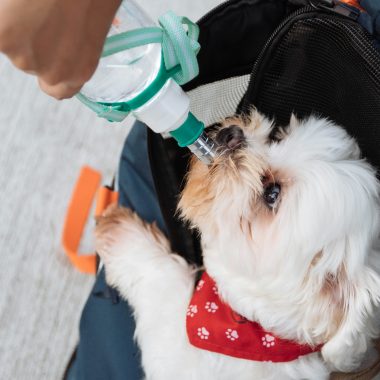
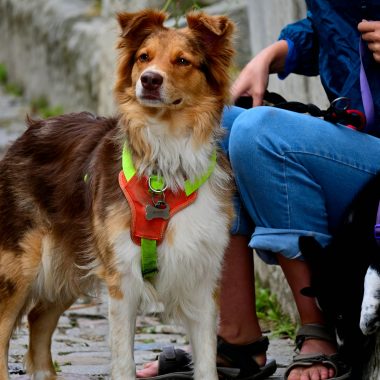
Outdoor enthusiasts know that nourished pets enjoy adventures more fully. Quality gear like supportive harnesses and portable water systems complements smart feeding routines. Whether exploring trails or relaxing at home, thoughtful preparation ensures comfort during every shared moment.
Key Takeaways
- Diet adjustments become critical as pets experience slower metabolism and changing energy needs
- Targeted nutrients help maintain muscle tone and support vital organ functions
- Regular vet consultations ensure meal plans address individual health requirements
- Proper dietary support enhances comfort during physical activities and outings
- Preventive nutrition strategies reduce risks of age-related conditions
Understanding Nutritional Changes in Senior Pets
As pets enter their golden years, their bodies work differently than before. Slower metabolism and reduced activity create new challenges for maintaining ideal weight and energy levels. Calorie requirements often drop by 20-30% compared to younger years, yet essential nutrient needs increase to support vital functions.
Metabolic Shifts Impact Mealtime
Older cats process proteins less efficiently while needing more amino acids to preserve muscle mass. “A diet too rich in calories but poor in nutrients becomes risky,” explains a veterinary nutritionist. This imbalance can lead to weight gain while leaving organs undernourished.
Spotlight on Common Health Challenges
Three conditions frequently shape dietary plans for aging companions:
- Kidney concerns: Low-phosphorus meals ease strain on renal systems
- Blood sugar balance: High-protein, low-carb formulas help manage diabetes risks
- Dental changes: Soft-textured foods improve intake for sensitive mouths
Urinary health becomes particularly crucial for older cats. Increased water intake through wet food or broth supplements helps prevent crystal formation. Regular vet visits catch subtle changes early, allowing timely adjustments to meal plans.
Essential Nutrients for Senior Cat and Dog Diets
Tailored nourishment becomes the cornerstone of vitality during later life stages. Combining specific nutrients addresses unique biological needs while supporting daily zest.
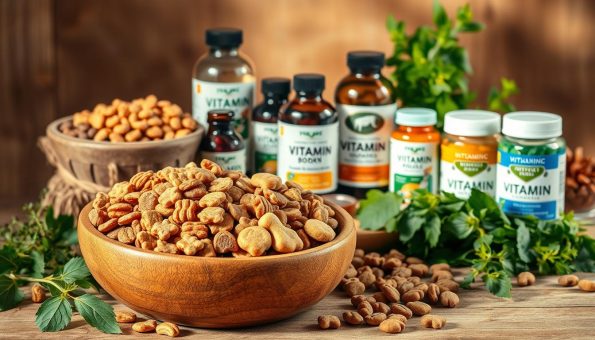
High-Quality Protein for Muscle Maintenance
Animal-based proteins like salmon and turkey preserve lean tissue that naturally diminishes with age. These sources provide essential amino acids for cellular repair and energy production. A veterinary researcher notes: “Optimal protein intake counteracts frailty while fueling playful moments.”
Omega Fatty Acids for Joint and Skin Health
Cold-water fish and chia seeds deliver omega-3s that combat stiffness in active joints. These fats also maintain supple skin and glossy coats. Regular consumption helps manage discomfort during movement.
Fiber, Vitamins, and Hydration for Digestive Support
Pumpkin and sweet potato fibers promote regular digestion while controlling hunger signals. Antioxidant-rich berries support immune defenses alongside vitamin-enhanced meals. Canned formulas boost water consumption, crucial for kidney efficiency.
Balancing these elements creates meals that sustain physical resilience. Moisture-rich options paired with nutrient-dense ingredients address multiple wellness aspects simultaneously. Always consult professionals when adjusting dietary plans.
senior cat and dog nutrition care tips: Practical Feeding Strategies
Feeding routines require thoughtful adjustments as pets’ needs evolve. Smaller, more frequent meals often work better than traditional schedules. This approach supports digestion while preventing energy crashes between feedings.
Implementing Frequent, Small Meals
Divide daily food into 4-5 portions spaced throughout daylight hours. Consistent meal timing helps regulate metabolism and maintains steady energy levels. A veterinary behaviorist notes: “Mini-meals reduce stomach discomfort while keeping interest in eating strong.”
Use a kitchen scale for precise measurements rather than volume cups. Track intake patterns weekly – sudden changes might signal health issues. Pair this method with regular weigh-ins to ensure proper weight management.
Gradual Transition to Specialized Diets
Mix new food with familiar options over 7-10 days. Start with 25% replacement, increasing gradually. Watch for signs like loose stools or disinterest, which may require slowing the shift.
Consider these factors when selecting meals:
- Protein sources matching previous favorites
- Moisture content for easier chewing
- Fiber levels supporting digestive comfort
Warm canned options slightly to enhance aroma. Add warm water to kibble for softer texture. Always consult your vet when adjusting portions or food types to match changing needs.
Integrating Outdoor Adventures with a Healthy Diet
Active lifestyles require smart meal planning for aging companions. Balanced meals fuel exploration while supporting physical resilience. Thoughtful preparation ensures furry explorers stay energized during hikes or camping trips.
Fueling Exploration Through Smart Eating
Pack portable meals with high protein and moisture content. Dehydrated treats mixed with water offer hydration boosts. Collapsible bowls make feeding easy during trail breaks.
Consider these nutritional priorities for outdoor activities:
| Nutrient | Benefit | Food Source |
|---|---|---|
| Electrolytes | Prevents dehydration | Bone broth packets |
| Omega-3s | Reduces joint stiffness | Freeze-dried salmon |
| Fiber | Supports digestion | Pumpkin puree pouches |
| Antioxidants | Boosts immunity | Blueberry snacks |
Adventure-Ready Gear for Comfortable Journeys
Tailyan’s insulated carriers keep meals fresh during day trips. Their ergonomic backpacks distribute weight evenly, reducing strain on older animals. “Proper gear lets pets focus on enjoying new sights,” notes an outdoor enthusiast.
Key packing tips for multi-day trips:
- Portion meals in sealed containers
- Bring 25% more water than estimated
- Include familiar treats for stress relief
Monitor energy levels during activities. Schedule shaded rest breaks every 45 minutes. Consult your veterinarian about calorie adjustments for extended excursions.
Conclusion
Nourishing aging companions requires thoughtful attention to their evolving requirements. High-quality protein preserves muscle tone, while omega-rich ingredients support flexible joints. Balanced fiber and hydration work together to maintain digestive health and organ function.
Smaller, frequent meals help manage energy levels effectively. Transitioning diets gradually prevents stomach upset while keeping mealtimes enjoyable. Partnering with your veterinarian ensures meal plans adapt to changing wellness needs over time.
Adventure-ready pets benefit from portable food formats and proper gear during outings. Monitoring weight and appetite helps catch subtle shifts early. This proactive approach lets furry friends stay engaged with daily activities comfortably.
Through intentional diet choices and regular health checks, companions can thrive in their golden years. Every tailored meal becomes an investment in shared moments of joy and discovery.