
Welcome to your ultimate resource for crafting nutritious meals that boost your pet’s wellness. More owners are choosing fresh, balanced recipes over store-bought options to address allergies, digestive issues, and low energy. By preparing meals yourself, you gain control over ingredients while tailoring nutrition to your companion’s unique needs.
Veterinarians increasingly support this shift, noting that thoughtfully prepared diets often outperform mass-produced kibble. Fresh proteins, vegetables, and grains can enhance coat quality, digestion, and longevity. This guide simplifies the process with vet-approved recipes, portion guidelines, and tips for balancing nutrients.
You’ll also discover how meal prep strengthens your bond. Pets thrive on routine, and the care you pour into their dishes builds trust. Whether you’re new to this or refining existing skills, our step-by-step approach ensures success.
Key Takeaways
- Fresh meals can resolve common health issues like allergies or low energy
- Veterinary experts increasingly endorse tailored diets over commercial options
- Properly balanced recipes improve coat, digestion, and lifespan
- Meal preparation deepens the human-animal bond through daily care
- This guide provides recipes, portion charts, and nutrient-balancing strategies
Understanding the Shift to Natural Pet Nutrition
Many caring owners now question why kibble dominates modern pet food shelves. After all, wild animals thrive on fresh prey and plants—not dry pellets packed with preservatives. This disconnect drives the growing movement toward cleaner, species-appropriate meals.
What’s Missing From Commercial Options?
Mass-produced food often prioritizes shelf life over nutrition. Low-quality fillers like cornmeal and artificial colors replace nutrient-dense meat and vegetables. One Ohio family discovered their dog’s allergies vanished after switching from store-bought formulas to simple chicken-and-rice recipes.
Recent recalls highlight bigger issues. Contaminated batches have caused vomiting, organ damage, and even fatalities. “You wouldn’t eat mystery nuggets daily,” says a Colorado veterinarian. “Why expect different for your companion?”
Hidden Costs of Convenience
Premium pet food brands charge $80+ monthly, yet many use the same questionable ingredients as budget lines. Homemade meals using whole meat, grains, and veggies often cost half that price. You control quality while mirroring what animals naturally seek—varied textures, moisture-rich proteins, and digestible fibers.
This shift isn’t about perfection. It’s about making informed choices that align with your animal’s biological needs. Every bowl becomes an opportunity to nourish rather than just feed.
Benefits of natural homemade food for cats and dogs
Pet owners are unlocking remarkable health improvements through fresh, customized diets. Tailored meals address specific needs while delivering nutrients missing in processed options. This approach mirrors what veterinarians call “species-appropriate nutrition”—fueling bodies with recognizable, digestible components.
Improved Pet Health and Vitality
Switching to whole-food recipes often leads to visible changes within weeks. Owners report shinier coats, better digestion, and renewed energy. A 2023 study found animals eating fresh diets had 28% fewer vet visits than those on commercial kibble.
Superfoods like blueberries boost immunity, while lean proteins maintain muscle health. One Labrador owner shared: “Our dog’s arthritis improved so much, he started climbing stairs again!”
Control Over Ingredients and Quality
Commercial products often use vague terms like “meat by-products.” When you cook meals, every component gets inspected. Choose hormone-free chicken, organic veggies, or grain alternatives based on your companion’s needs.
| Ingredient Type | Homemade Meals | Store-Bought Options |
|---|---|---|
| Protein Sources | Identifiable cuts (chicken breast, salmon) | Generic “animal derivatives” |
| Vegetables | Fresh or lightly steamed | Dehydrated powders |
| Preservatives | None | BHA, BHT, ethoxyquin |
| Customization | Adjust recipes daily | Fixed formulas |
This hands-on approach helps manage allergies and weight. You decide which vitamins to emphasize through ingredient selection. Plus, meal prep becomes bonding time—pets often hover nearby, sniffing their upcoming feast!
Key Ingredients & Recipes for a Balanced Pet Diet
Building nutritionally complete meals requires balancing proteins, produce, and grains. Start with high-quality meat as the foundation—chicken, turkey, and beef offer essential amino acids. Fish like salmon adds omega-3s for skin health. Rotate these ingredients to prevent boredom and sensitivities.
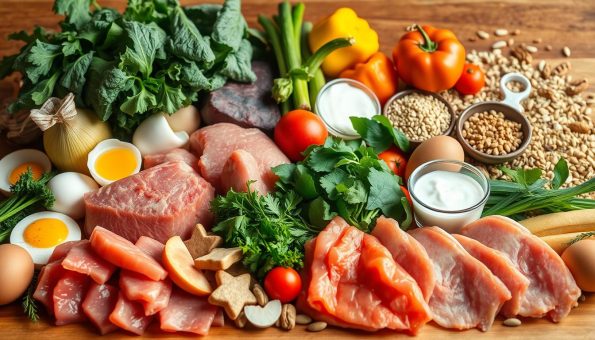
Essential Proteins, Vegetables, and Grains
Dogs thrive on crunchy veggies like carrots or green beans. Blend antioxidant-rich blueberries into their recipe or freeze watermelon cubes as summer treats. For felines, always steam broccoli or bake squash until soft. “Cats lack enzymes to break down raw plant fibers,” explains veterinary nutritionist Dr. Ellen Choi.
Incorporate novel meat sources like duck or rabbit weekly. These alternatives reduce allergy risks while providing variety. Pair with cooked quinoa or oats for digestible carbs. Avoid grapes, onions, and fruit pits—their toxins can cause serious harm.
Inspiration From Trusted Sources
Reputable organizations like the ASPCA provide vetted recipes using simple ingredients. A popular dog meal combines ground beef, sweet potato, and peas. For cats, try baked chicken thighs with puréed pumpkin. Always consult your vet before adding eggs or dairy.
Mix textures and flavors to keep meals exciting. Bake turkey bites as training rewards or layer fish with steamed zucchini. With thoughtful combinations, every dish becomes a tailored celebration of health.
Step-by-Step Homemade Pet Food Recipes
Ready to create tasty, nutrient-packed meals? These vet-approved formulas balance flavor and function. Let’s dive into two crowd-pleasers that keep tails wagging and whiskers twitching.
Turkey & Pumpkin Pate Purrfection
This feline favorite combines ground turkey with digestion-friendly pumpkin. Heat 1 tbsp coconut oil in a skillet. Brown 1 lb turkey for 6-8 minutes, breaking it into small pieces. Whisk 2 eggs (optional) into the mixture, then add 1 cup low-sodium broth.
Stir in 2-4 tbsp pumpkin puree and 2 tbsp feline premix. Finish with ½ tsp omega-3 fish oil. Blend until smooth using a hand mixer. Store portions in airtight containers for 5-6 days.
Canine Power Bowl Formula
Combine 1 lb lean beef, ½ lb each turkey and chicken in a stockpot. Add 3 cups cooked rice, ½ lb carrots, and ½ lb peas. Pour 2½ cups broth plus 2 cups water, simmering for 25 minutes.
Mix in 2 beaten eggs during the last 5 minutes. Cool completely before serving. This recipe makes 12 cups—enough for a week for medium-sized dogs.
| Protein | Internal Temp | Prep Tip |
|---|---|---|
| Poultry | 165°F | Shred for easier digestion |
| Beef | 165°F | Choose 90% lean cuts |
| Pork | 140°F | Remove visible fat |
Freeze leftovers in cup-sized portions. Thaw overnight in the fridge—never microwave. Always check temps with a meat thermometer. Your effort shows in every healthy bite!
Incorporating Outdoor Adventure with Pet-Friendly Gear
Exploring trails and campsites becomes richer when shared with four-legged companions. Quality gear ensures both excitement and well-being during these journeys. Tailyan’s adventure-ready products bridge the gap between rugged exploration and your pet’s needs, letting you focus on making memories.
Choosing the Right Pet Backpacks and Tents
Selecting equipment starts with understanding your dog’s size and activity level. Tailyan’s backpacks feature adjustable straps and breathable mesh, distributing weight evenly during hikes. For overnight trips, their lightweight tents include chew-resistant flooring and quick-setup designs.
Prioritize compartments for meal storage and supplements. Insulated pockets keep homemade dishes fresh, while leak-proof containers prevent spills. One hiker shared: “Our collie’s energy doubled when we could pack his regular bone-broth snacks on long trails.”
Safety, Comfort, and Durability for Outdoor Trips
Rugged terrains demand gear that withstands scratches, moisture, and temperature swings. Tailyan uses reinforced stitching and non-toxic materials across all products. Reflective strips on harnesses improve visibility during dusk hikes.
| Feature | Tailyan Gear | Standard Options |
|---|---|---|
| Safety | Secure harness clips | Basic plastic buckles |
| Comfort | Padded chest plates | Thin nylon straps |
| Durability | Weather-resistant fabric | Single-layer polyester |
| Meal Storage | Insulated compartments | Open mesh pockets |
Always pack extra water and bone-safe treats for hydration and morale. Portable bowls clip easily onto backpacks, maintaining your pet’s life-sustaining routines outdoors. With thoughtful preparation, every adventure strengthens your bond while supporting their health.
Transitioning from Processed Foods to Homemade Nutritious Meals
Switching your companion to fresh meals requires careful planning. A gradual approach helps sensitive stomachs adapt while allowing you to spot potential reactions. Let’s explore proven methods to make this shift smooth and stress-free.
Building Tolerance Through Gradual Mixing
Start by mixing 25% homemade mixture with 75% current pet food. Increase the fresh portion by 10% every two days. This 10-day window lets digestive enzymes adjust without causing diarrhea or vomiting.
| Transition Phase | Commercial Food | Homemade Portion |
|---|---|---|
| Days 1-3 | 75% | 25% |
| Days 4-6 | 50% | 50% |
| Days 7-10 | 25% | 75% |
Introduce one new protein weekly—like chicken or rabbit—in pea-sized pieces. Wait 48 hours between additions to identify allergies. If itching or loose stools occur, pause and consult your vet.
Tracking Progress and Adjustments
Keep a journal noting energy levels, coat shine, and stool consistency. Successful transitions often show:
- Brighter eyes within 14 days
- Less shedding by week 3
- Consistent appetite for ground meat recipes
| Positive Signs | Red Flags |
|---|---|
| Firmer stools | Excessive scratching |
| Playful behavior | Lethargy |
| Glossy fur | Vomiting |
Balance plant-based proteins with supplements if needed. Add feline premix to cat food for taurine and vitamins. For dogs, flaxseed oil provides omega-3s without fishy tastes.
Conclusion
Crafting meals at home transforms how we care for our animal companions. By focusing on fresh, nutrient-dense ingredients, you address specific health needs while strengthening bonds through daily nourishment. Tailored food choices empower owners to eliminate fillers and prioritize vitamin-rich ingredients that commercial options often lack.
Pairing thoughtful nutrition with adventure-ready gear elevates your animal’s quality of life. Brands like Tailyan create durable backpacks and tents that simplify outdoor excursions while keeping homemade cat meals fresh on the go. Their designs align with active lifestyles, ensuring safety without compromising comfort.
Remember, small changes yield big results. Start with simple homemade recipes, track progress, and adjust based on energy levels or coat changes. Consult your vet to fine-tune vitamin ratios or protein sources. Every bowl you prepare becomes a step toward lasting vitality—one delicious bite at a time.