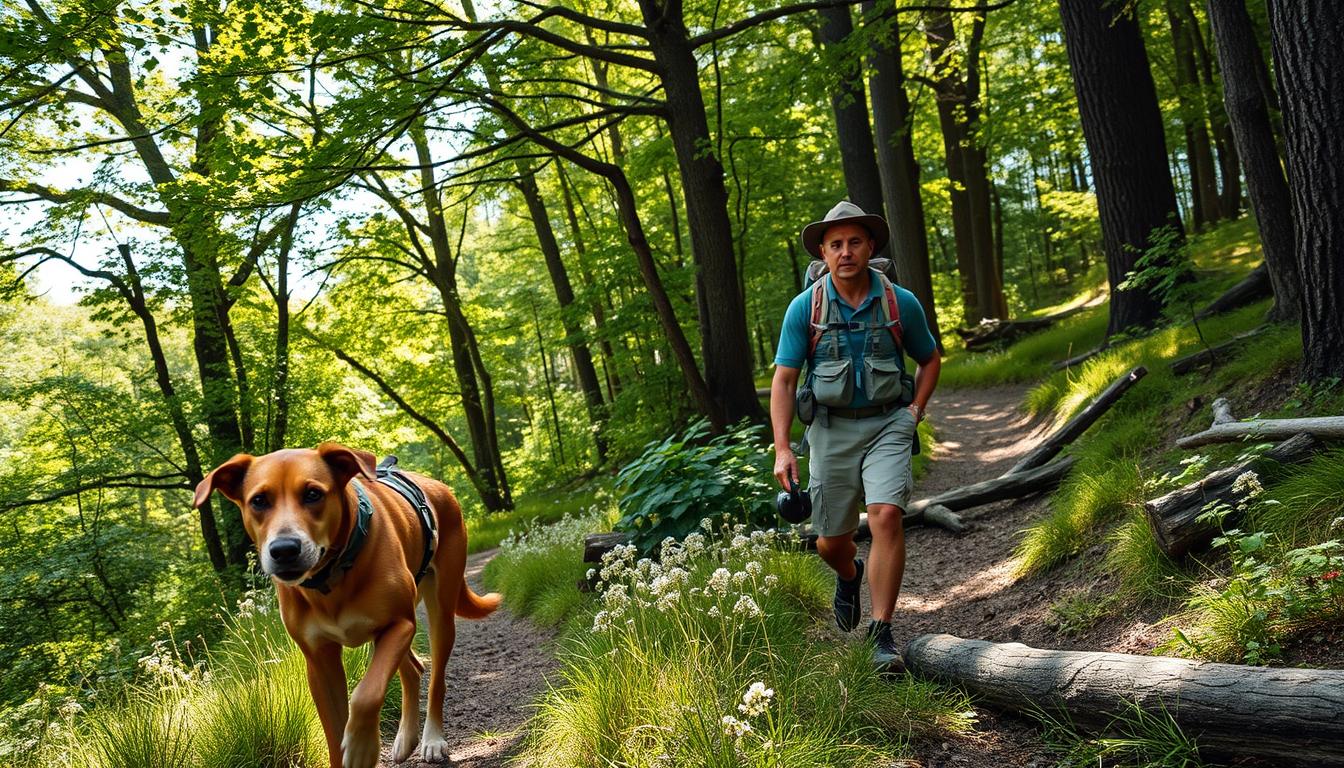
Exploring the great outdoors with your canine companion creates a special bond. Hiking together offers fantastic exercise and a shared sense of adventure. It’s a wonderful way to enjoy nature and create lasting memories.
This outdoor experience requires careful preparation. Understanding proper conduct ensures everyone’s safety and protects the environment. Responsible pet ownership makes these adventures positive for all.
This guide provides essential information for a successful outing. You will learn how to prepare for your journey and manage your animal on the path. Our advice helps create safe, enjoyable experiences for you, your pet, and fellow nature lovers.
Following established guidelines is crucial. It preserves access to beautiful places for future visitors with their pets. Let’s ensure these natural spaces remain welcoming for everyone.
Key Takeaways
- Hiking with your dog strengthens your bond and provides excellent physical activity.
- Proper preparation is essential for a safe and enjoyable outdoor adventure.
- Following trail etiquette protects your pet, the environment, and other visitors.
- Responsible behavior ensures natural areas remain open to canine companions.
- This guide offers practical steps for before, during, and after your hike.
Understanding Dog Trail Etiquette
Proper trail etiquette begins long before you reach the trailhead with thorough preparation. Researching your destination ensures a smooth experience for everyone involved.
Planning Ahead: Choosing Dog-Friendly Trails
Always verify that your chosen path welcomes canine companions. Many national parks restrict animal access, while state and regional recreation areas often accommodate them.
Conduct online research to find current regulations. Contact park authorities directly when information appears unclear. This prevents disappointing discoveries at the trailhead.
Popular routes typically require leashes for safety. Understanding local rules protects your pet and preserves access for future visitors.
Respecting Other Hikers and Animals
Proper yielding protocols create harmonious trail experiences. Hikers with dogs should yield to those without companions.
All trail users yield to horses due to their potential to spook. Give adequate space when passing others on narrow paths.
| Trail User | Yields To | Proper Action |
|---|---|---|
| Hiker with dog | Hiker without dog | Step aside, shorten leash |
| Descending hiker | Ascending hiker | Move to side, allow passage |
| Biker | All hikers & horses | Stop completely, move off trail |
| All hikers | Horses | Step well off trail, speak calmly |
“Trail etiquette isn’t just about rules—it’s about mutual respect between all outdoor enthusiasts sharing limited space.”
Always ask permission before allowing animal interactions. Not every dog enjoys meeting new friends despite their outdoor setting.
Keep your pet calm using treats and commands when others approach. Respect when people indicate they prefer to pass without contact.
Essential Gear and Preparation for Hiking with Your Dog
Smart preparation with appropriate gear ensures both safety and enjoyment. The right equipment addresses challenges before they arise during your outdoor adventure.
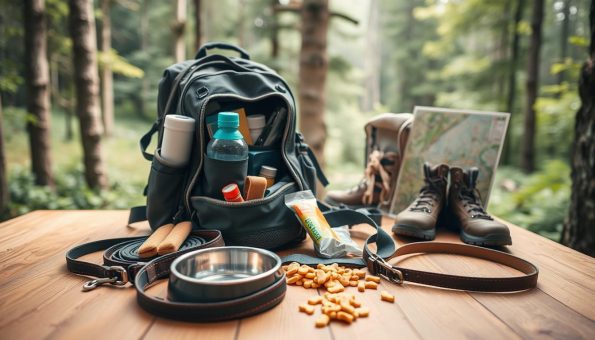
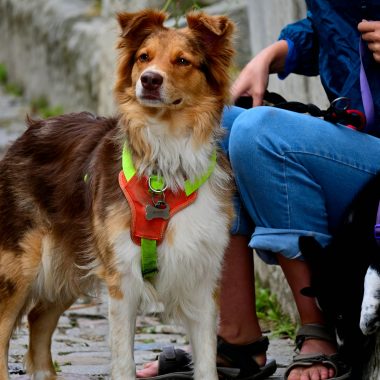
Your choice of leash is critical for a successful hike. A standard 6-foot nylon leash provides optimal control and safety. Retractable leashes create multiple hazards including rope burns, tangling, and neck injuries.
Selecting the Right Leash and Pack Equipment
Consider whether your canine companion will carry their own supplies. Factor in your dog’s size, physical ability, and weather conditions. Fluffy breeds may need cooling strategies in warm temperatures.
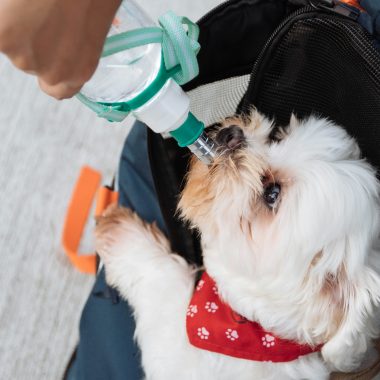
Quality hydration systems like the Tuff Pupper PupFlask make water access easy. The Lesotc Water Bottle with dispenser ensures your pet stays hydrated throughout the journey.
Creating a Dog-Specific First Aid Kit
A comprehensive first aid kit is essential for addressing injuries. The New Market Squared 60-piece Pet First Aid Kit contains sterile saline and bandages. This allows you to clean any wounded area thoroughly.
Emergency carryout equipment provides crucial backup planning. The Fido Protection pack lets you transport an injured animal safely. Proper gear preparation means being ready for any situation.
Trail Rules for Dogs: Keep Your Pup Safe and Trails Clean
Environmental stewardship forms the foundation of responsible outdoor recreation with pets. Proper conduct preserves natural habitats while ensuring access remains available. Every visitor shares responsibility for maintaining these precious spaces.
Following ‘Leave No Trace’ Principles on the Path
Always carry waste bags and remove all pet waste from natural areas. Unlike wild animal droppings, domestic animal waste contains harmful bacteria. Proper disposal protects water sources and ecosystem health.
In most locations, bagged waste must be carried to trash receptacles. Special areas like the Boundary Waters allow specific disposal methods. Never bury plastic bags or discard them in latrines.
Prevent your companion from digging or damaging vegetation. Stay exclusively on marked paths to avoid soil erosion. Unofficial routes harm fragile plant life and wildlife habitats.
| Practice | Proper Approach | Improper Action | Environmental Impact |
|---|---|---|---|
| Waste Management | Pack out with biodegradable bags | Leave waste on ground | Water contamination, pathogen spread |
| Trail Usage | Stay on marked paths | Create shortcuts | Soil erosion, habitat destruction |
| Vegetation Protection | Prevent digging behavior | Allow root damage | Plant death, ecosystem disruption |
| Waste Disposal | Carry to proper receptacle | Bury plastic bags | Plastic pollution, long-term contamination |
Adhering to Leash Laws and Local Regulations
Always verify local requirements before visiting natural areas. Leash mandates exist for safety and conservation purposes. Compliance protects your animal, wildlife, and other visitors.
Unleashed companions can create dangerous situations on paths. Even friendly animals may disturb people with fears or allergies. They can also chase wildlife and damage sensitive habitats.
Encourage bathroom breaks before starting your journey. This reduces trailside stops and simplifies waste management. Following regulations ensures continued access for all pet owners.
Safety Tips and Injury Prevention on the Trail
Prioritizing safety measures transforms a simple walk into a secure adventure for both you and your animal. Understanding potential hazards allows proactive protection during outdoor excursions. Proper preparation prevents most emergencies before they occur.
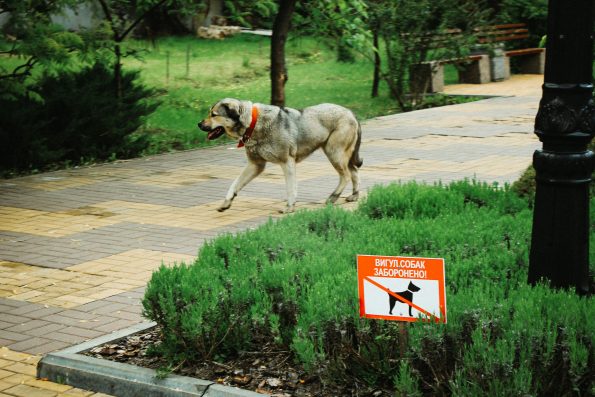
Heat-related illnesses represent common dangers for active pets. Monitoring your companion’s condition ensures early intervention when needed.
Recognizing Signs of Heatstroke and Fatigue
Dogs require nearly double their normal water intake during strenuous activity. A dog needs frequent breaks and constant access to fresh water. Watch for excessive panting or frequent resting as early warning signs.
Heatstroke symptoms progress from bright red gums to vomiting and collapse. Flat-faced breeds like Bulldogs overheat much faster than other dogs. Schedule hiking during cooler times and provide shaded rest areas.
Managing Encounter Risks with Wildlife and Traps
Curious animals may investigate dangerous wildlife like snakes or bears. Most snake bites occur on the face when dogs explore their surroundings. Attach a bear bell to prevent surprising native species.
Research trapping regulations before you ‘re hiking in new areas. Keep your pet leashed and on marked paths to avoid hidden traps. This simple precaution helps keep pup safe from unexpected dangers.
What to Do in Case of a Dog Hiking Injury
Stop immediately if your dog sustains any injury during your hike. Clean wounds thoroughly with sterile saline from your first aid kit. Apply appropriate dressings to prevent infection.
Protective boots like Kurgo Blaze Cross prevent paw injuries from sharp surfaces. Know when to turn back—deep wounds require immediate veterinary care. Having an emergency plan ensures prompt treatment when safety concerns arise.
Training and Socializing Your Hiking Dog
Building a reliable hiking companion requires dedicated training and gradual exposure to outdoor environments. Proper preparation transforms potential challenges into enjoyable adventures for both handler and animal.
Practicing Recall and Heel Commands
Real-world situations provide excellent opportunities for command reinforcement. When passing others on paths, use treats to maintain your dog’s attention in a sitting position.
This technique works particularly well for friendly animals who want to greet everyone. Consistent training establishes that not every encounter requires interaction.
Even in off-leash areas, animals without reliable recall should remain secured. This protects both your pet and local wildlife from dangerous situations.
Building Trail Confidence Through Gradual Exposure
Begin with short, enjoyable outings and slowly increase difficulty. This approach builds physical stamina and mental comfort over multiple sessions.
Respect your animal’s individual limits and breed characteristics. Different types have varying capabilities in various environments.
| Breed Type | Strength | Consideration |
|---|---|---|
| Short-coated dogs | Heat tolerance | Limited cold weather endurance |
| Heavy-coated dogs | Cold resistance | Overheating risk in warmth |
| Small breeds | Agility | Distance limitations |
| Large breeds | Stamina | Joint stress on declines |
Provide mental breaks after concentrated obedience work. Allowing sniffing time helps animals process their surroundings and reduces stress.
This thoughtful approach creates a confident hiking dog ready for diverse adventures. Proper training ensures safety and enjoyment for everyone involved.
Conclusion
Creating positive hiking memories with your dog involves understanding both their capabilities and limitations. Remember that senior animals may prefer enjoying nature from the comfort of home rather than challenging trails. This thoughtful approach ensures their wellbeing while respecting their changing needs.
When you implement these essential tips, your outdoor adventures become safer and more enjoyable for everyone. Proper preparation and respectful conduct keep our natural areas accessible for all hikers and their companions. Your responsible behavior today helps preserve these beautiful spaces for future generations.
Ultimately, the way we share these parks with others determines whether dogs remain welcome on trails nationwide. A little courtesy goes a long way in creating positive experiences for all visitors. With these considerations in mind, you’re ready to explore the great outdoors with your faithful companion.