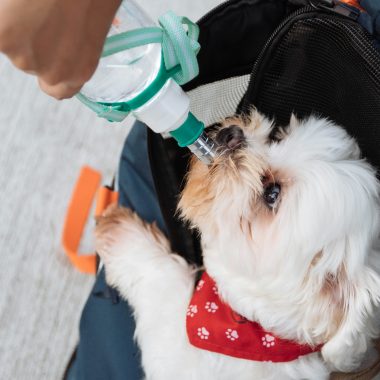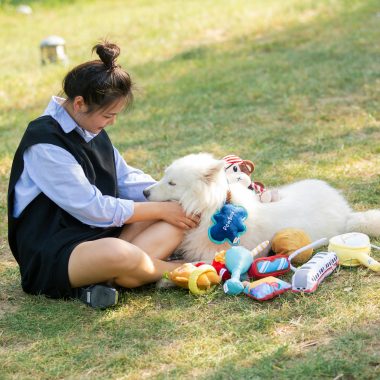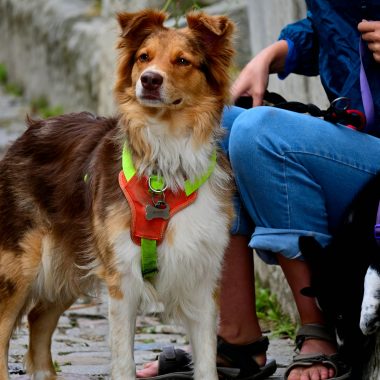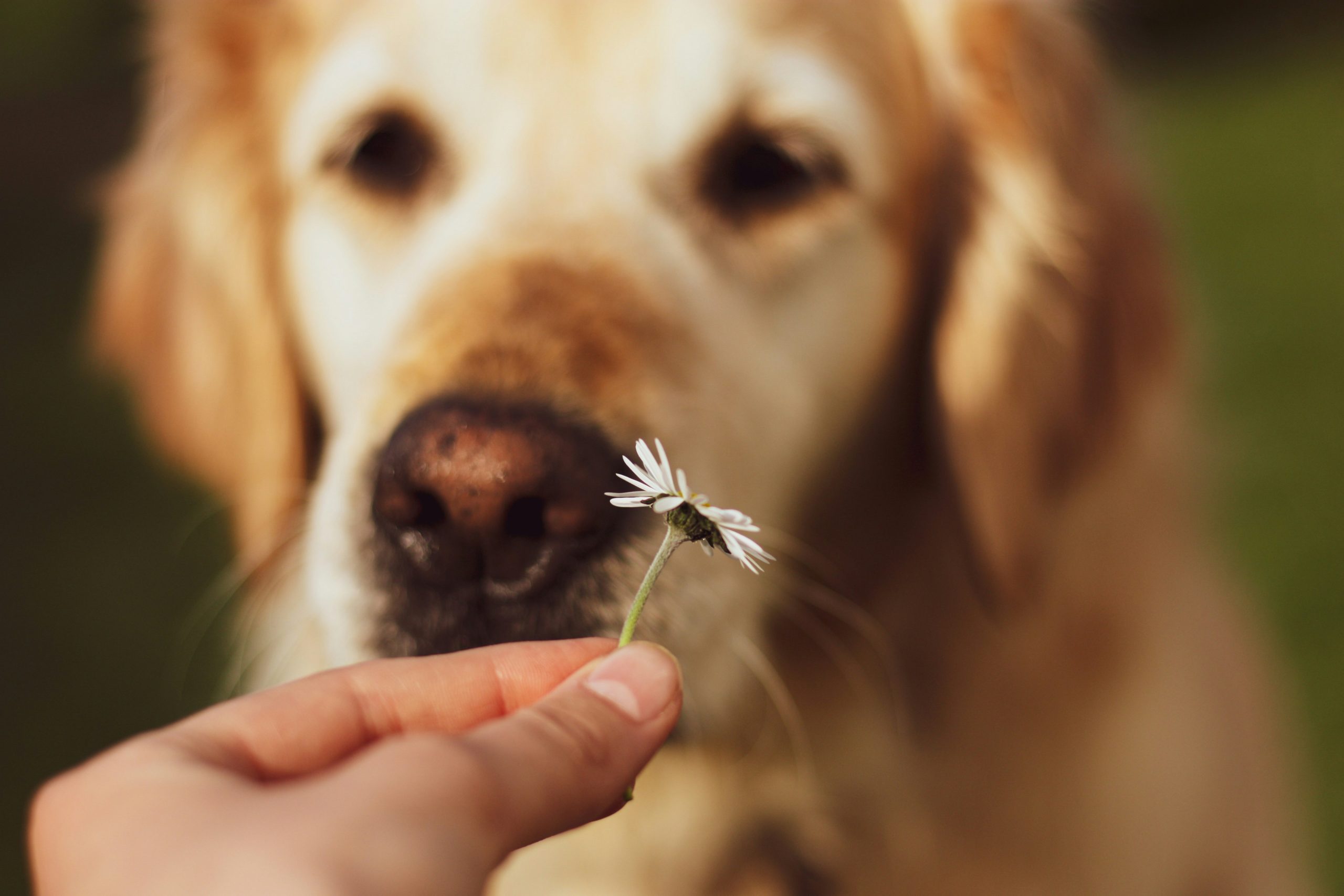
Welcoming a furry friend into your home brings incredible joy and unconditional love. The bond between people and their animal companions creates lifelong memories. However, this rewarding experience comes with significant responsibilities that require proper preparation.
Many well-intentioned owners make errors that can impact their pet’s health and happiness. According to recent data, 56% of dogs in the United States are overweight or obese. This statistic highlights how even loving caregivers can unintentionally make mistakes.
This comprehensive resource addresses the most frequent errors that new pet owners encounter. We provide practical solutions to help you build a successful relationship with your canine companion from day one. Proper care ensures your dog enjoys a healthy, vibrant life.
Our guide covers essential topics including pre-adoption planning, training techniques, nutrition, healthcare, and behavioral management. Whether you’re bringing home your first dog or refreshing your knowledge, this information will help you avoid common pitfalls.
Key Takeaways
- Pet ownership requires significant responsibility and proper preparation
- Well-intentioned owners can make mistakes that affect their animal’s health
- Over half of dogs in the U.S. struggle with weight issues
- Early education helps prevent common errors in pet care
- This guide provides actionable solutions for beginners and experienced owners
- Proper planning leads to healthier, happier companion animals
- Comprehensive care includes nutrition, training, and healthcare management
Understanding the Responsibility of Pet Ownership
The decision to adopt a dog involves accepting full responsibility for another living being’s wellbeing. Your canine companion will depend on you for everything throughout their entire life.
Time commitment is substantial for proper pet care. Daily routines include feeding, exercise, training sessions, and grooming. Your schedule must accommodate these essential activities.
Financial planning is crucial for responsible ownership. Both predictable and unexpected expenses require budgeting.
| Expense Type | Predictable Costs | Unexpected Costs | Annual Estimate |
|---|---|---|---|
| Healthcare | Vaccinations, checkups | Emergency visits, surgeries | $500-1,000 |
| Daily Needs | Food, treats, toys | Replacement items, special diets | $400-800 |
| Maintenance | Grooming, licenses | Behavioral training, medications | $300-600 |
Lifestyle changes affect travel plans and social activities. Pet owners must consider living space adequacy and work schedules.
Emotional responsibility means providing consistent affection and security. This helps your dog develop into a well-adjusted family friend.
Understanding these commitments prevents future problems. Proper preparation ensures a rewarding relationship with your pet.
The Importance of Planning and Preparedness
Proper preparation prevents many common errors that new owners make. Taking time to plan ensures you’re ready for this long-term commitment.
Evaluating Your Readiness for a Pet
Honest self-assessment is crucial before bringing a dog home. Consider your available time for training and daily care.
Financial stability matters greatly for pet ownership. Create a realistic budget for both routine and unexpected expenses.
| Expense Category | Monthly Costs | Annual Projection | Emergency Fund |
|---|---|---|---|
| Food & Supplies | $60-120 | $720-1,440 | N/A |
| Veterinary Care | $40-80 | $480-960 | $500-2,000 |
| Training & Grooming | $30-70 | $360-840 | $200-500 |
Research different breeds to match your lifestyle. An active dog needs more exercise than a calm companion.
Establishing a Care Routine
Create a daily schedule before your puppy arrives. Plan feeding times, walks, and training sessions.
Prepare your house by puppy-proofing dangerous areas. Set up designated spaces for eating and sleeping.
Gather essential supplies to make the transition smooth. Proper planning demonstrates responsible ownership and prevents early mistakes.
Creating a Safe Outdoor Environment for Your Pet
Many household hazards become magnified when viewed from your pet’s ground-level perspective. Getting on your hands and knees helps you spot chewable wires, toxic plants, or small items your dog might swallow. This simple step is crucial for proactive safety.
A secure perimeter is your first line of defense. Your fence must match your dog’s size and breed tendencies. Some breeds, like spitzes and hounds, are notorious escape artists requiring fortress-like security.
| Dog Size | Minimum Fence Height | Key Considerations |
|---|---|---|
| Small (under 20 lbs) | 4 feet | Prevent squeezing through gaps; check for digging. |
| Medium (20-50 lbs) | 5 feet | Jumping ability; reinforce gate latches. |
| Large (50+ lbs) | 6 feet | Strength testing; solid construction is essential. |
Weather protection is a non-negotiable part of outdoor care. Always provide fresh water and shade. Recognize signs of overheating, like excessive panting. In cold weather, consider your pet’s coat and individual needs.
This secure home base is just the start. A safe yard builds confidence for broader adventures. Proper planning and equipment let you safely explore hiking trails and campsites with your dog.
A Guide to Avoiding Common Pet Ownership Mistakes for Beginners
Building a successful relationship with your canine companion requires awareness of typical pitfalls new owners face. Even experienced caregivers can make errors that affect their dog’s wellbeing.
Most mistakes owners make fall into five main categories. Understanding these areas helps prevent problems before they start.
| Error Category | Common Examples | Potential Consequences |
|---|---|---|
| Training & Socialization | Skipping obedience classes, poor socialization | Behavioral issues, anxiety problems |
| Health & Veterinary Care | Missed vaccinations, ignoring dental health | Preventable illnesses, higher costs |
| Nutrition & Feeding | Overfeeding, inappropriate treats | Weight issues, digestive problems |
| Exercise & Stimulation | Insufficient activity, boredom | Destructive behavior, obesity |
| Behavioral Management | Ignoring warning signs, inconsistent rules | Escalating problems, safety concerns |
These mistakes often connect in surprising ways. Inadequate training can lead to behavioral issues. Skipped vet visits allow minor health problems to become serious.
Many errors stem from underestimating a dog’s needs. Different pets have unique requirements based on breed, age, and personality.
Recognizing these common gaps in knowledge is the first step toward providing excellent care for your animal companion.
Learning to identify your specific pet’s needs prevents many problems. The following sections provide practical solutions for each category.
This knowledge builds confidence for new pet owners. Proper guidance transforms potential mistakes into learning opportunities.
Addressing Common Training and Socialization Errors
The critical period between 7 weeks and 4 months old represents a golden opportunity to shape your puppy’s future behavior. Proper training and socialization during this window prevent lifelong issues.
Benefits of Early Socialization
Early socialization exposes your puppy to diverse people, environments, and experiences. Experts recommend meeting 100 different people by four months old.
This exposure prevents fear-based behaviors and anxiety. Use positive reinforcement to create confident, well-adjusted pets. Arrange playdates and visit pet-friendly stores for varied experiences.
Implementing Basic Obedience Techniques
Begin basic training immediately when bringing your puppy home. Start with simple commands like sit, stay, and come as early as 7-8 weeks.
Puppy kindergarten classes can begin by 9-10 weeks. These sessions teach good behavior and strengthen your bond. All dogs benefit from proper training, regardless of size.
Make sure to use consistent methods and reward desired behavior. This foundation keeps your dog safe in various situations.
Navigating Common Vet and Health Oversights
Many dog owners only think about veterinary visits when their pet appears sick, missing crucial preventative opportunities. This reactive approach often leads to more complex health issues and higher costs. Establishing consistent veterinary care forms the foundation for your pet’s long-term wellbeing.
Scheduling Regular Vet Visits
Annual wellness exams allow veterinarians to establish baseline health metrics for your dog. These regular vet visits include comprehensive physical assessments checking weight, teeth, heart, and lungs.
Veterinary professionals can detect subtle changes that might indicate developing health issues. Early intervention during these routine visits makes treatment more effective and affordable.
| Preventative Care | Reactive Care | Long-Term Impact |
|---|---|---|
| Annual wellness exams | Emergency visits | Lower overall costs |
| Vaccine boosters | Treating preventable diseases | Better health outcomes |
| Parasite prevention | Treating infestations | Reduced disease risk |
Preventative Dental and Health Care
Dental procedures rank among the most common reasons dogs need veterinary care. Regular tooth brushing and appropriate dental treats significantly reduce this need.
Make sure to follow your vet’s advice completely, including parasite prevention for indoor pets. Fleas and ticks can easily enter homes, putting all dogs at risk.
Consistent preventative care represents the most effective strategy for maintaining your dog’s health and minimizing veterinary expenses over their lifetime.
Encouraging Proper Exercise and Mental Stimulation
A balanced approach to canine fitness requires addressing both physical exertion and cognitive challenges. Many owners focus solely on walks while neglecting mental engagement. This oversight can lead to behavioral issues and health concerns.
Dogs that lack sufficient activity often develop destructive habits. Chewing, barking, and digging frequently stem from pent-up energy. Regular exercise prevents these problems while promoting cardiovascular health.
Tailored Exercise Routines for Different Breeds
Each breed has unique energy requirements based on their historical purpose. Working dogs need extensive daily activity, while companion breeds may thrive with moderate exercise. Understanding your dog’s background helps create appropriate routines.
| Breed Category | Daily Exercise Needs | Recommended Activities |
|---|---|---|
| High-Energy Working | 60-90 minutes | Running, hiking, agility training |
| Moderate Energy | 30-45 minutes | Walking, fetch, swimming |
| Low-Energy Companion | 20-30 minutes | Short walks, gentle play |
Labrador Retrievers exemplify high-energy breeds needing substantial activity. Without enough exercise, they often develop weight issues. Regular vigorous activity maintains their health and happiness.
Incorporating Mental Stimulation Activities
Mental exercise proves equally important as physical exertion. Intelligent breeds particularly benefit from problem-solving challenges. Puzzle feeders and training sessions engage their cognitive abilities.
Rotate toys regularly to maintain novelty and interest. Hide-and-seek games and scent work provide excellent mental stimulation. Combining physical and mental activities creates well-rounded pets.
This comprehensive approach prevents common ownership mistakes related to inadequate activity. Proper exercise and mental engagement strengthen your bond while ensuring your dog’s wellbeing.
Managing Overfeeding and Nutritional Habits
Nutritional management represents one of the most challenging aspects of responsible dog ownership. Current data reveals 56% of dogs in the United States struggle with weight issues, creating serious health consequences.
Excess weight significantly impacts canine wellbeing. It reduces life expectancy and complicates arthritis management. Obesity increases risks for diabetes, kidney disease, and certain cancers.
Understanding Your Pet’s Dietary Needs
Many owners underestimate how treats and table scraps contribute to weight gain. These extras create calorie overload that accumulates over time. Proper portion control requires considering your dog’s age, size, and activity level.
Quality food investment pays long-term health dividends. While budget options save money initially, premium nutrition reduces future veterinary costs. Many dogs need special formulations for specific health conditions.
| Food Type | Short-Term Cost | Long-Term Health Impact | Veterinary Recommendation |
|---|---|---|---|
| Economy Brand | Low | Higher risk of deficiencies | Limited |
| Premium Formula | Moderate | Better nutrient absorption | Frequently recommended |
| Veterinary Prescription | Higher | Targeted health support | Essential for conditions |
Accurate food measurement is crucial for weight management. Limit treats to 10% of daily calories and avoid table scraps entirely. Carrots make excellent low-calorie alternatives.
Consult your veterinarian before implementing any weight loss plan. Gradual, supervised reduction ensures safety and sustainability for overweight dogs.
Preventing Behavioral Problems Through Routine
Many canine behavior issues stem from subtle changes that owners may overlook until patterns become established. Early recognition of these behavioral problems is essential for maintaining a healthy relationship with your dog.
Consistent daily routines provide security that reduces anxiety in pets. This predictability helps prevent many common behavioral issues before they develop.
Identifying Early Signs of Behavioral Issues
Learn your dog’s normal rhythms to quickly spot unusual behavior. Changes in eating, sleeping, or interaction patterns often signal underlying problems.
Watch for excessive barking, destructive chewing, or house soiling. These behavioral issues may indicate anxiety, health concerns, or environmental stress affecting your pet.
| Behavior Type | Early Warning Signs | Recommended Action |
|---|---|---|
| Anxiety-Related | Pacing, whining, hiding | Increase routine consistency |
| Aggression | Growling, stiff posture | Professional evaluation needed |
| Compulsive | Repetitive licking, spinning | Veterinary consultation |
When to Seek Professional Guidance
Consult your veterinarian first when behavioral changes occur. Many behavior problems actually indicate medical issues requiring treatment.
Aggressive behaviors like growling or biting always warrant professional help. Certified trainers can address safety concerns that family members cannot resolve alone.
Early intervention prevents minor issues from becoming serious problems. Your canine companion deserves prompt attention to behavioral changes.
Outdoor Adventures: Utilizing Tailyan Outdoor Products
Quality outdoor gear transforms ordinary adventures into safe, comfortable journeys for both you and your pet. Tailyan specializes in creating products that help pet owners explore nature with confidence.
Exploring with Pet Backpacks and Tents
Tailyan’s pet backpacks provide secure transportation for smaller dogs during extended hikes. These innovative designs include storage compartments for essential pet care items.
The backpacks keep your dog comfortable while carrying water, food, and first aid supplies. Tailyan’s pet tents create familiar spaces for overnight camping trips away from home.
Your furry friend will feel secure in these protected environments. The tents enable memorable outdoor experiences that strengthen your bond.
Ensuring Safety and Durability on Every Trip
Tailyan products feature secure harness attachments that keep dog safely contained. Ventilation systems prevent overheating during active adventures.
Reflective elements maintain visibility in low-light conditions. The durable construction withstands rugged outdoor use while providing comfort.
Investing in quality gear demonstrates responsible ownership. Proper equipment prevents accidents and reduces stress for both owners and pets.
Tailyan’s commitment to safety and durability ensures positive experiences. New pet owners can confidently expand their adventures beyond basic care routines.
Conclusion
The journey of responsible pet ownership transforms potential challenges into rewarding experiences when approached with knowledge and commitment. By understanding common mistakes owners make in planning, training, healthcare, and nutrition, you can proactively manage your companion‘s wellbeing throughout their entire life.
Make sure you’re getting proper guidance from veterinarians and trainers to support your dog or puppy‘s development. Even experienced owners occasionally make mistakes, but the key lies in recognizing issues early and adapting your approach.
View pet care as an evolving partnership where you continuously learn about your friend‘s unique needs. This commitment to quality care creates the foundation for years of joy and unforgettable memories with your canine companion.