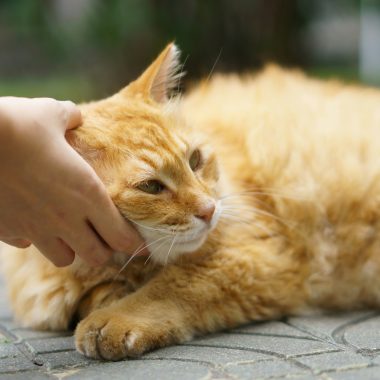
Did you know over half of U.S. pets face weight challenges? Recent studies reveal 56% of canine companions and 60% of feline friends carry extra pounds. This startling reality impacts more than just appearances—it affects energy, mobility, and overall vitality.
Proper care goes beyond simply reducing meal portions. Like humans, our four-legged family members need tailored nutritional plans that consider breed specifics, age factors, and lifestyle demands. A Yorkie’s needs differ vastly from a Maine Coon’s, just as senior animals require different support than playful puppies or kittens.
This guide offers science-backed strategies to help your companion flourish. You’ll discover how to assess body condition, create effective feeding schedules, and select nutrient-rich meals. We’ll explore how maintaining ideal physical condition can boost joint health, improve playfulness, and add quality years to your bond.
Key Takeaways
- Over 50% of U.S. pets face weight-related health risks
- Customized meal plans outperform generic diets
- Body condition scoring helps track progress
- Activity levels dramatically affect dietary needs
- Consistent routines prevent overfeeding
Understanding the Importance of Pet Nutrition and Body Condition
Maintaining optimal physical condition starts with knowing what to look for. Just like humans, our furry companions show clear signs when they’re at their ideal weight. Regular checks help catch changes early before they become serious issues.
Indicators of a Healthy Weight in Pets
Use your hands and eyes to monitor your companion’s physique. Ribs should feel like bumps under a thin blanket—present but not sharp. From above, look for an hourglass shape behind the ribs. A side view should show a gentle upward curve between chest and hind legs.
“Body condition scoring removes guesswork from weight management,” explains Dr. Ellen Carter, veterinary nutritionist. “It turns subjective observations into actionable data.”
Risks Associated with Overweight and Obesity
Extra pounds strain every system. Joints wear down faster, organs work harder, and energy levels drop. Conditions like diabetes often develop silently until symptoms become severe.
| Health Concern | Overweight Pets | Ideal Weight Pets |
|---|---|---|
| Joint Issues | 42% higher risk | Baseline risk |
| Diabetes | 3x more likely | Rare |
| Life Expectancy | 2.5 years shorter | Full lifespan |
Veterinarians use a 9-point scale to classify body condition. Scores below 4 indicate underweight, while 6-9 signal excess fat. Annual checks help track changes that gradual weight gain might hide.
cat and dog nutrition tips for healthy weight
Every meal choice directly impacts your companion’s energy and longevity. Smart dietary decisions combine quality ingredients with precise measurements to support vitality without excess.

Core Dietary Elements for Vitality
Quality meals balance three key components:
| Nutrient | Canine Needs | Feline Needs |
|---|---|---|
| Protein | 18-25% | 26-40% |
| Fats | 10-15% | 9-15% |
| Fiber | 2-4% | 1-3% |
Veterinary researcher Dr. Lisa Monroe notes: “High-fiber formulas reduce hunger signals by 30% compared to standard options, making weight management easier for families.” Look for AAFCO-approved labels specifying “low-calorie” or “reduced fat” to ensure proper nutrient ratios.
Mastering Meal Measurements
Three practical strategies prevent overfeeding:
- Use digital scales for dry kibble (cups can vary by 20%)
- Adjust portions quarterly based on activity changes
- Track treats as part of daily calorie limits
Recent studies show pets consuming measured meals maintain ideal physique 73% more often than those fed freely. Pair precise portions with regular play sessions for best results.
Developing a Balanced Diet and Effective Feeding Strategies
Effective feeding strategies transform how companions maintain their health. Start by calculating precise calorie needs using veterinary formulas—this removes guesswork and creates measurable goals.
Choosing Quality Meals for Optimal Nutrition
Prioritize foods with clinical studies backing their claims. Look for these markers:
- Complete protein sources listed first
- Guaranteed analysis matching AAFCO standards
- No empty-calorie fillers like corn syrup
Implementing Safe Feeding Habits
Automated feeders help maintain consistency. Research shows pets adapt better to four small meals daily than one large serving. For begging behaviors, try frozen green beans or air-popped popcorn as low-calorie distractions.
Adjusting Calorie Intake Safely
Use this vet-approved method:
- Convert target weight from pounds to kilograms (divide by 2.2)
- Calculate Resting Energy Needs: 70 x (weight in kg)0.75
- Reduce total by 15-20% for gradual progress
“Rapid reductions risk muscle loss—slow and steady wins this race,” advises Dr. Rachel Torres from Animal Medical Center.
| Species | Diet Focus | Activity Role |
|---|---|---|
| Dogs | 60-70% | 30-40% |
| Cats | 90% | 10% |
Schedule bi-weekly weigh-ins and quarterly vet checkups. Adjust food types if progress stalls—sometimes switching to wet options or fiber-rich formulas jumpstarts results.
Integrating Exercise and Routine Monitoring for Optimal Health
Active lifestyles transform pets from couch companions to thriving adventurers. Movement matters just as much as meal plans for maintaining vitality. Regular movement sessions become bonding opportunities while supporting physical needs.
Outdoor Activities to Enhance Pet Fitness
Tailor adventures to your companion’s energy levels. Canine friends thrive with 30-minute walks paired with sniffing breaks. Feline family members prefer three 5-minute chase sessions using feather toys or laser pointers.
| Activity Type | Frequency | Metabolic Boost |
|---|---|---|
| Hill Runs | 2x weekly | 40% calorie burn increase |
| Swimming | 1x weekly | Low joint impact |
| Puzzle Toys | Daily | Mental stimulation |
Outdoor gear like weather-resistant backpacks or collapsible water bowls makes exploration safer. Rotate routes to engage curiosity—new scents and terrains provide natural enrichment.
Techniques for Monitoring Body Condition at Home
Track progress through observable changes rather than scale numbers. Notice if your companion:
- Jumps onto furniture more easily
- Maintains steady breathing during play
- Shows enthusiasm for activity time
Create a weekly check-in routine. Feel for rib definition under loose skin and watch for waistline visibility from above. These indicators often reveal improvements before numbers shift.
“Focus on how they move, not what they weigh,” suggests Dr. Maya Lin, canine fitness specialist. “A spring in their step matters more than digits.”
Conclusion
Achieving lasting wellness for furry friends demands more than temporary fixes. Optimal physique management blends measured meals, joyful movement, and professional guidance into daily routines. Regular checkups with your veterinarian spot subtle changes before they become concerns, while consistent play sessions strengthen bonds and burn calories naturally.
Remember, success shows through bright eyes and springy steps—not just numbers. Those extra minutes chasing toys or exploring trails add up to measurable improvements in mobility and zest. Pair structured meal plans with spontaneous adventures to keep routines fresh and effective.
Every positive choice builds toward a vibrant future. Whether swapping treats for interactive games or trying new walking routes, small changes create big impacts over time. With patience and expert support, you’ll help your companion thrive through every life stage.