More families than ever are bringing their furry companions along on adventures. Traveling with dogs and other pets creates wonderful memories across the country. However, these journeys require thoughtful planning to ensure everyone stays safe and comfortable.
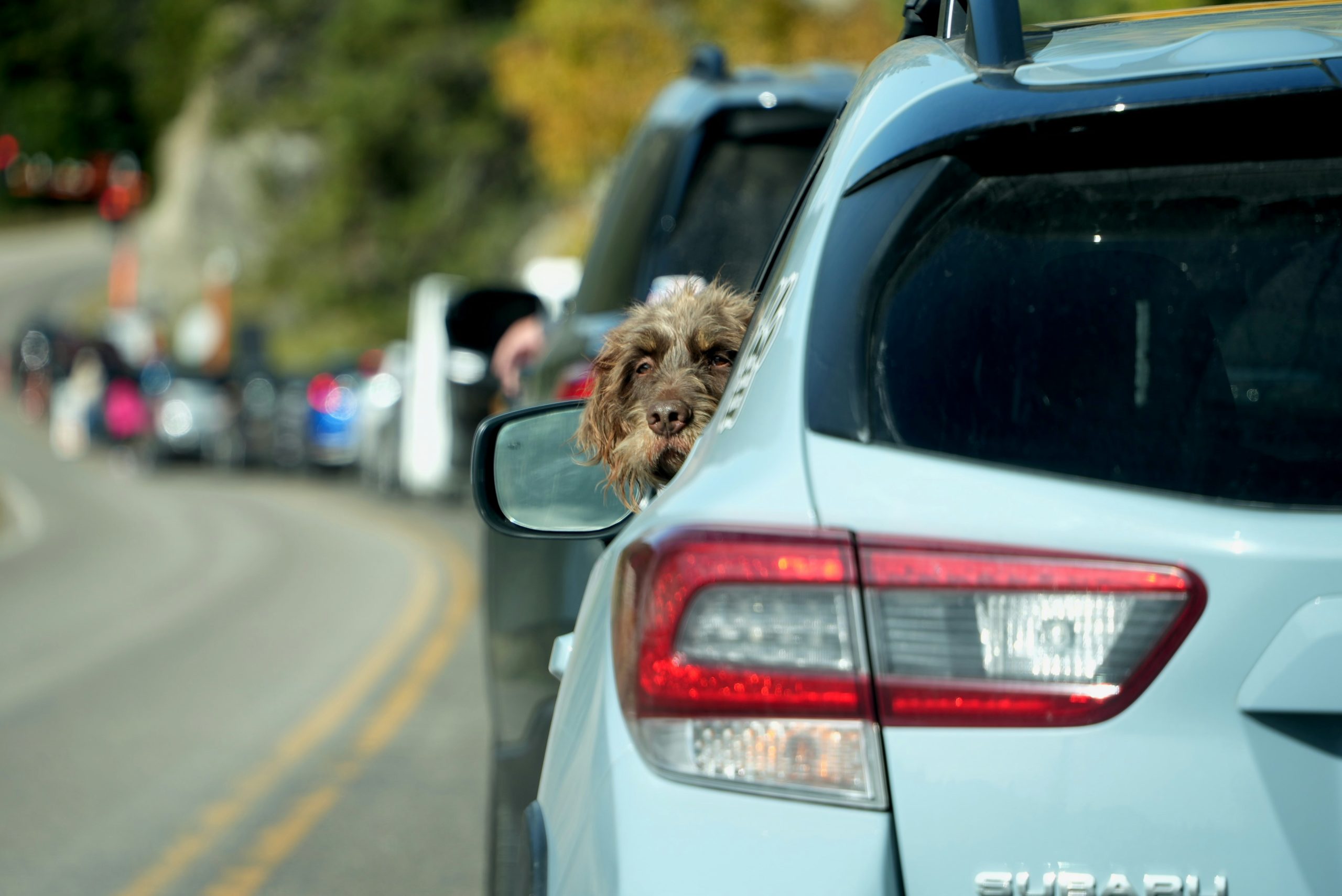
Proper preparation makes the difference between a stressful experience and an enjoyable adventure. Dogs can become restless during long drives. They might try unsafe behaviors like hanging out windows or jumping into the driver’s seat. Understanding your pet’s unique needs and temperament is essential.
This guide covers essential safety measures and practical advice for pet transportation. Whether you’re driving to a local park or embarking on a cross-country journey, following proven protocols protects both animals and people. The key lies in preparation, patience, and having the right gear before you hit the open road.
These professional tips come from veterinarians, certified dog trainers, and experienced pet travel experts. They understand the challenges and solutions for safe car travel with animals.
Key Takeaways
- Proper planning transforms pet travel from stressful to enjoyable
- Understanding your animal’s behavior prevents unsafe situations
- Essential safety equipment protects both pets and drivers
- Professional advice from experts ensures best practices
- Preparation and patience are crucial for successful journeys
- Every trip requires customized approaches based on pet needs
- Safety protocols should be established before departure
Planning a Safe Road Trip with Your Pet
Effective planning transforms potential travel challenges into smooth, memorable experiences with your furry friend. A comprehensive approach to preparation establishes the foundation for successful journeys.
Pre-Trip Checklist for Pet Car Safety
Create a detailed checklist before your adventure. Verify your dog’s identification through microchipping and updated collar tags.
Begin with short practice trips from home to acclimate your animal companion. Gradually increase travel time to reduce anxiety and prevent sickness.
Test all safety equipment during these practice runs. This allows you to make adjustments before the actual road trip begins.
Scheduling a Vet Visit Before Your Adventure
Schedule a veterinary appointment well in advance of your departure date. Discuss your pet’s health status and travel readiness with the veterinarian.
Ensure all vaccinations are current for your dog’s protection. Obtain necessary health documentation if crossing state lines.
Request complete medical history information from your vet. This provides crucial data in case of emergencies during travel.
Address any history of carsickness with appropriate medications. Your veterinarian can recommend solutions for stomach discomfort.
Precautions for Road Trips with Pets: Must-Know Safety Measures
The right equipment choices make all the difference when transporting furry family members by automobile. Quality gear ensures both comfort and protection during journeys.
Choosing the Right Car Safety Equipment
Standard vehicle seat belts don’t provide adequate restraint for dogs. Invest in crash-tested safety equipment designed specifically for pets.
Select between well-ventilated crates or safety harnesses based on your dog’s size and temperament. Ensure the chosen option allows your pet to stand, sit, and turn around comfortably.
Properly secure crates in the car to prevent sliding during sudden stops. This prevents injury and keeps the crate from becoming a dangerous projectile.
Preparing Your Pet with Appropriate Gear
Introduce your dog to their travel carrier or harness well before the trip. Use positive reinforcement with treats to create positive associations.
Test equipment during short practice rides from home. Make adjustments to harness positioning and collar tightness before longer journeys.
Never allow pets to ride with heads outside windows despite their enjoyment. Quality adventure accessories transform stressful car rides into enjoyable experiences.
Tailyan’s durable products focus on safety, comfort, and reliability. Our adventure accessories help create memorable outdoor experiences with your pet.
Car Travel Essentials for Comfort and Security
Strategic organization of essential items creates a foundation for successful pet transportation. Proper gear selection ensures both animal welfare and driver peace of mind throughout the journey.
Packing a Pet-Friendly Travel Kit
Assemble a comprehensive kit containing all necessary supplies for your dog’s needs. Include collapsible bowls, ample food portions, and waste management supplies.
Emergency preparedness requires a dedicated first-aid kit with professional-grade medical supplies. Store your veterinarian’s contact information alongside your pet’s medical records.
| Category | Essential Items | Importance Level |
|---|---|---|
| Safety Equipment | Harness, carrier, seat protector | Critical |
| Nutrition & Hydration | Food, bottled water, collapsible bowls | High |
| Emergency Preparedness | First-aid kit, medical records, vet contacts | Critical |
| Comfort & Entertainment | Favorite toys, comfort items, puzzles | Medium |
Utilizing Safety Harnesses, Carriers, and Seat Accessories
Proper restraint systems protect your dog during sudden stops or accidents. Crash-tested harnesses provide optimal security while allowing comfortable movement.
“The single most important investment for pet travel is quality restraint equipment that has been independently tested for safety.”
Carriers should offer adequate ventilation and space for your pet to turn around comfortably. Seat covers protect your vehicle’s interior from dirt and damage.
Maintaining Hydration and Feeding Schedules
Plan meal times carefully to minimize carsickness risk. Offer a light meal several hours before departure rather than feeding in the moving car.
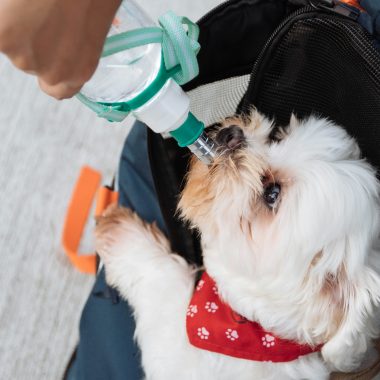
Hydration management requires bringing familiar water from home to prevent stomach upset. Use collapsible bowls for convenient drinking during rest stops.
Tailyan’s adventure accessories focus on durability and reliability for all your travel essentials. Our products ensure organized, accessible gear for comfortable journeys.
Extra Tips for a Stress-Free Journey
Beyond basic safety gear, thoughtful strategies can transform long car rides into pleasant adventures for both pets and owners. These practical approaches focus on comfort and routine.
Keeping Your Pet Entertained and Relaxed
Mental stimulation prevents boredom during travel hours. Bring favorite chew toys to occupy your dog’s attention. This reduces anxiety and prevents destructive behaviors.
Consider natural calming aids for anxious pets. Pressure wraps or veterinarian-recommended supplements can help. Always test these remedies during short practice rides first.
Tire out your dog before departure with a long walk or play session. A tired pet is more likely to rest during the initial travel time.
Planning Rest Stops and Breaks Effectively
Schedule breaks every two to three hours during long trips. Research your route to find pet-friendly rest areas with safe spaces.
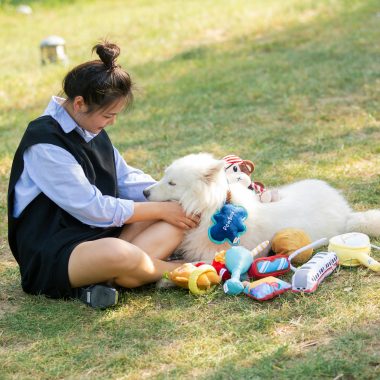
Use these stops for bathroom breaks and light exercise. Bring interactive toys for play sessions that provide physical and mental stimulation.
Always keep your dog secured at gas stations and busy stops. This prevents unexpected escapes when doors open. Carry updated identification and medical records throughout your journey.
These simple tips ensure comfortable travel experiences. They help create positive memories rather than stressful situations on the road.
Conclusion
Embarking on automotive adventures with your canine companion requires careful consideration of multiple safety factors. Thorough preparation forms the foundation for enjoyable experiences that create lasting memories.
Investing in quality safety equipment protects your dog during car travel. Crash-tested harnesses and secure carriers prevent injuries while ensuring comfort. Consult your veterinarian before any trip to address health concerns and obtain necessary documentation.
Proper planning includes packing essential supplies and scheduling regular breaks. These measures reduce stress for both you and your pet. Following professional guidelines transforms potential challenges into smooth journeys.
With diligent preparation and reliable gear, automotive trips with your dog become rewarding adventures. They strengthen bonds while exploring new destinations together safely.