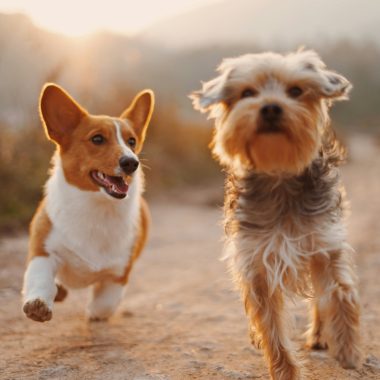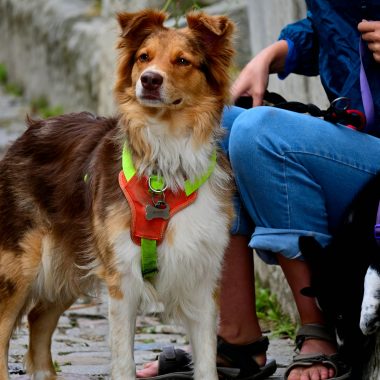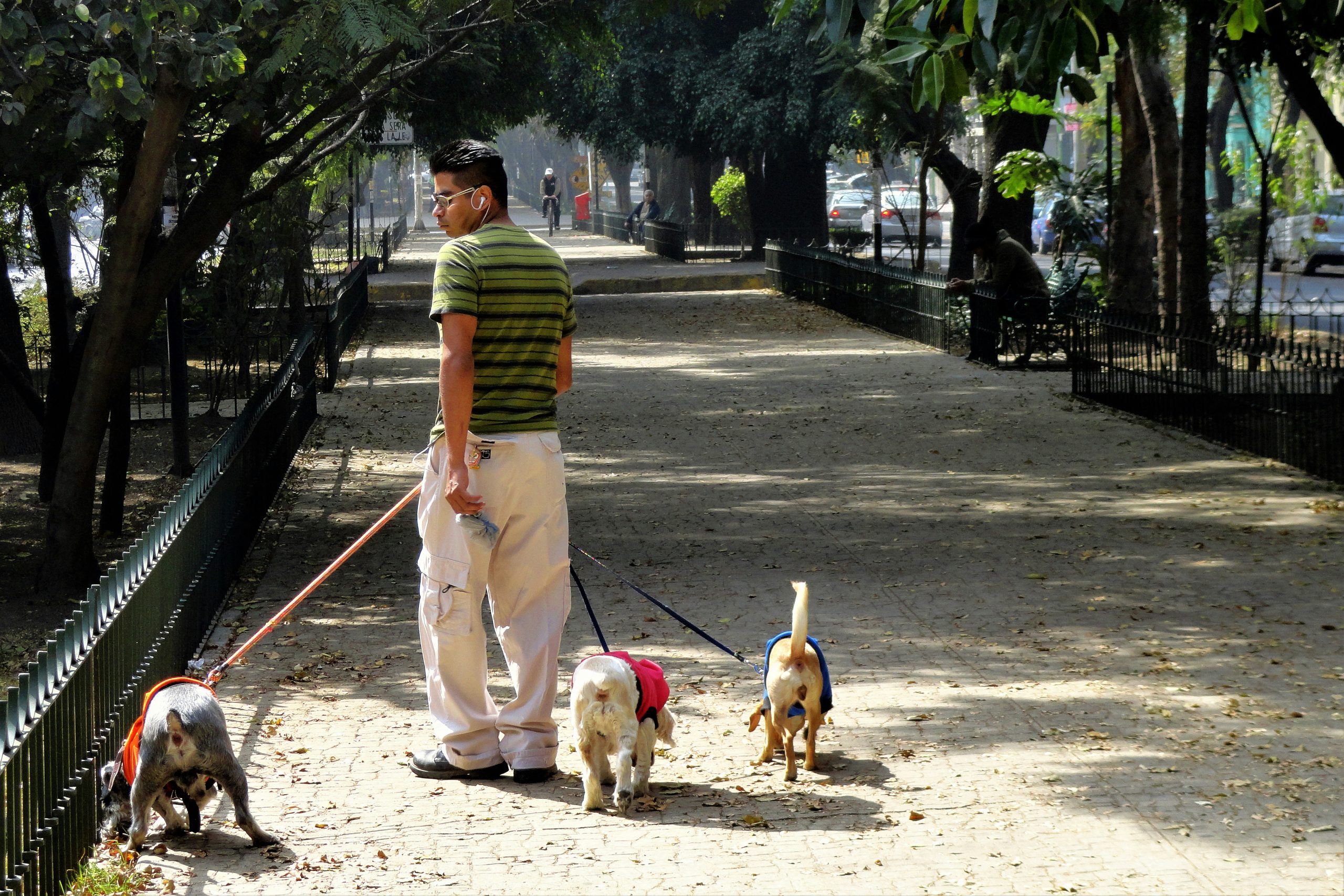
Summer brings sunshine and warm weather, perfect for outdoor adventures with your furry friends. Regular walks are vital for your dog’s health. They provide essential exercise, mental stimulation, and necessary bathroom breaks.
However, the rising temperatures of the season introduce serious risks. Our pets are not as equipped to handle extreme heat as we are. This makes adjusting your routine a critical part of responsible pet ownership.
This guide offers expert advice and practical safety tips. Our goal is to help you navigate the hottest months confidently. With the right knowledge, you can ensure your companion stays safe and comfortable.
Enjoying quality time outside with your dog is still possible. It simply requires thoughtful planning and proactive measures to prevent heat-related illnesses.
Key Takeaways
- Summer heat poses significant health risks to dogs during outdoor activities.
- Regular walks are essential for a pet’s physical and mental well-being.
- Pets are more vulnerable to high temperatures than humans.
- Proactive planning is necessary for safe hot weather excursions.
- Proper precautions allow for enjoyable and safe outdoor time with your dog.
- Understanding your pet’s limits is key to preventing heat-related issues.
Understanding the Risks of High Temperatures for Pets
Heat-related illnesses represent one of the most serious threats to animals during warm months. Recognizing the early signs of distress can prevent life-threatening conditions.
Heat Stroke Symptoms and Warning Signs
Heat stroke occurs when a pet’s body temperature exceeds 104 degrees. Early warning signs include excessive panting and heavy drooling. Behavioral changes like weakness or reluctance to walk indicate overheating.
Advanced symptoms require immediate veterinary care. These include collapse, seizures, and bloody vomiting. Any of these signs constitute a medical emergency.
Factors Affecting Pets’ Heat Tolerance
Not all dogs handle heat equally. Flat-faced breeds like Pugs struggle with panting, their primary cooling mechanism. Obese or elderly animals also face higher risk.
Temperature thresholds matter greatly. Walks are generally safe below 68°F. Between 68-77°F, caution is essential. Above 77°F, the risk of heat stroke increases dramatically.
Monitor your dog continuously during warm weather. Watch for subtle changes in breathing and behavior. Humidity and sun exposure compound the temperature risk.
Precautions for Walking Pets Outdoors in High Temperatures
The simplest and most effective strategy for safe warm-weather exercise involves a fundamental shift in your daily schedule. Veterinarians consistently advise avoiding the midday sun.
Planning is essential for your dog’s comfort and safety.
Choosing the Best Times for Walks
Target the coolest parts of the day. Early mornings, before 8 AM, are ideal. Late evenings, after 8 PM, are also excellent.
These periods offer lower air and ground temperature. Surfaces like asphalt have had time to cool overnight or avoid peak heating.
Always perform the five-second test. Place the back of your hand on the pavement. If you cannot hold it for five seconds, it is too hot for your dog‘s paws.
Planning Routes with Safety in Mind
Modify your usual path. Seek routes with abundant shade from trees or buildings. Choose grass or dirt over concrete whenever possible.
Reduce both the length and intensity of walks. A vigorous hike becomes a gentle stroll. Keep activities brief to prevent heat stress.
Carry a collapsible bowl and fresh water. Offer hydration breaks frequently. Never allow your pet to drink from standing water outdoors.
Walk Timing Guide for Hot Days
| Time of Day | Conditions | Recommended Action |
|---|---|---|
| 10 AM – 4 PM | Peak sun, highest temperature | Avoid walks. Highest risk of paw burns and overheating. |
| Before 8 AM | Cool air, cooled ground | Ideal for longer, more comfortable exercise. |
| After 8 PM | Reducing heat, cooling surfaces | Safe for evening outings. Test ground first. |
Stay flexible. Some summer days are simply too hot for any outdoor activity. Have indoor play alternatives ready.
Watch your dog closely for any signs of discomfort. Be prepared to end the walk immediately if needed.
Choosing the Right Outdoor Gear and Tailyan’s Product Solutions
Proper equipment transforms summer adventures with your dog from risky to rewarding. Tailyan specializes in high-quality outdoor products designed for pet lovers. Their gear focuses on safety, comfort, and durability during warm weather.
Essential provisions include collapsible bowls and fresh cool water. Always make sure your home is secure before leaving. Close unscreened windows and doors to prevent accidents.
Benefits of High-Quality Pet Backpacks and Tents
Tailyan’s pet backpacks provide emergency transport for overheated animals. They offer immediate relief from hot surfaces. Small dogs can rest comfortably while you return home.
Their tents create instant shaded areas with ventilated mesh windows. UV-protective materials establish cool rest zones. Portable designs work for various outdoor activities.
How Adventure Accessories Enhance Safety and Comfort
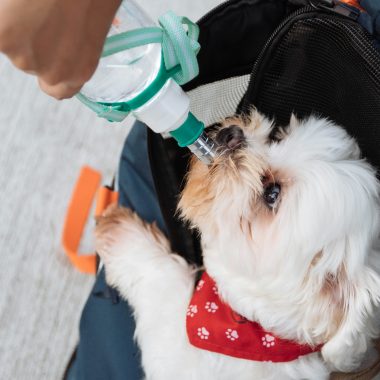
Adventure accessories include water bottle attachments and collapsible bowls. These ways make sure your pet stays hydrated. You avoid carrying bulky separate containers.
Tailyan’s products transform summer experiences by reducing risks. They provide emergency options when pets become distressed. Quality gear enables longer, more enjoyable adventures.
These ways of preparing create unforgettable memories. The right equipment allows confident exploration while protecting animals from heat dangers. Every adventure becomes safer and more comfortable for both you and your companion.
Expert Tips for Safe and Enjoyable Summer Walks
Advanced cooling techniques and paw protection represent critical components of comprehensive summer safety protocols. Veterinary professionals emphasize proactive measures that prevent heat-related issues before they occur.
Building a relationship with your vet ensures personalized advice for your specific dog. These experts can assess individual risk factors based on breed, age, and health status.
Hydration and Cooling Strategies for Pets
Provide plenty of fresh, clean water throughout the day. Carry collapsible bowls and offer cool water at regular intervals during hot weather.
Create shaded rest areas at home and during walks. Use cooling mats or damp towels for pets to lie on. Never leave animals in a parked car, even briefly.
Schedule an early-season checkup with your veterinary professional. Discuss heartworm prevention and establish emergency plans for heat-related incidents.
Preventing Paw Burns and Managing Asphalt Heat
Protect sensitive paw pads from burns caused by hot surfaces. Always perform the five-second hand test on asphalt before walks.
Choose grass or dirt paths when possible. Consider protective booties for dogs who must walk on heated ground. Avoid prolonged contact between paws and hot surfaces.
Monitor your pet closely for signs of discomfort. Be prepared to end the activity immediately if needed.
Paw Protection Methods Comparison
| Protection Method | Effectiveness | Best Use Cases |
|---|---|---|
| Protective Booties | High protection | Hot pavement, rough terrain |
| Paw Balms/Waxes | Moderate protection | Daily walks, minor heat exposure |
| Grass/Dirt Paths | Natural cooling | Parks, shaded areas |
| Early/Late Walks | Preventive approach | All summer conditions |
These tips from animal welfare experts help ensure safe summer adventures with your furry friends. Proper planning makes warm-weather activities enjoyable for everyone.
Conclusion
Responsible pet ownership during seasonal heat involves understanding your animal‘s unique needs. Each dog handles warm temperatures differently based on breed, age, and health status.
Successful warm-weather walks combine knowledge, timing, and proper gear. Test ground surfaces before heading out. Carry ample water and plan shaded routes. These simple steps ensure safety while maintaining outdoor enjoyment.
Tailyan supports your summer adventures with quality products designed for pet safety. Their gear helps create memorable experiences while protecting your companion. Even during peak heat windows, careful planning makes outdoor time rewarding for both you and your pets.