More pet owners than ever are choosing to bring their furry companions along when they fly. This growing trend spans both domestic trips and international adventures. Understanding the specific rules for flying with animals is essential for a safe and comfortable journey.
Each airline maintains unique policies regarding in-cabin versus cargo travel. Carrier dimensions, health documentation, and booking procedures vary significantly between carriers. Advance planning becomes crucial since airlines limit the number of animals allowed on each flight.
This comprehensive guide covers airline policies, health and vaccination needs, and documentation requirements. You’ll learn about carrier selection, service animal regulations, and international travel guidelines. The information is based on current airline policies and government regulations.
Readers will gain detailed knowledge about age restrictions, health certificates, and carrier specifications. The guide also covers fees and destination-specific entry rules that vary by country and airline. Proper preparation ensures a stress-free experience for both you and your animal companion.
Key Takeaways
- Airline policies for animal travel differ significantly between carriers
- Early planning is essential due to flight limitations and documentation timelines
- Health certificates and vaccination records are mandatory for most trips
- Carrier specifications vary for in-cabin versus cargo transport
- International travel involves additional country-specific entry requirements
- Service animal regulations have distinct guidelines separate from pet policies
- Fees and booking procedures require advance verification with your airline
Understanding Airline Policies for Pet Transport
Each carrier maintains distinct guidelines governing how furry friends can accompany passengers on flights. These regulations vary significantly between companies and require careful review before booking.
In-Cabin versus Cargo Travel Options
Most major U.S. airlines permit small animals to travel in the cabin. These companions must fit comfortably in a carrier beneath the seat. Common cabin-approved animals include dogs, cats, and household birds.
Cargo transport options have become increasingly restricted. Many carriers now limit this service to specific circumstances. American and United only offer cargo services to military and government personnel.
Carrier dimensions differ by airline. Delta recommends 18x11x11 inches for soft-sided carriers. JetBlue allows slightly smaller dimensions at 17×12.5×8.5 inches.
Airline-Specific Pet Policy Guidelines
Booking procedures operate on a first-come, first-served basis. Airlines limit the number of animals per flight. Early reservation contact is essential for securing space.
Passengers with cabin companions face seating restrictions. They cannot select bulkhead seats or emergency exit rows. Some aircraft have additional restricted rows.
Fee structures vary across carriers. Cabin travel typically costs between $35 and $150 per direction. Cargo fees depend on route and weight, sometimes reaching $225.
Preparing Your Pet for Airplane Travel
Getting your furry friend ready for the skies involves several critical health and safety steps. A thoughtful approach minimizes stress and ensures compliance with airline regulations.
Health, Vaccinations, and Age Requirements
Age restrictions are the first checkpoint. Domestic U.S. travel requires animals to be at least 8 weeks old. International rules are stricter.
Dogs entering the U.S. must be 6 months old. Cats need to be 16 weeks old. European Union entry mandates a minimum age of 15 weeks.
Vaccinations are non-negotiable. A current rabies shot is vital for most trips. Your veterinarian must provide proper documentation.
Schedule a health certificate exam close to your departure. Most carriers require it within 10 days of the flight. Some countries demand an even more recent certificate.
Ensuring Comfort and Safety on the Flight
Acclimate your companion to the carrier weeks before you travel. Let them explore it at home with treats and positive reinforcement.
Place familiar bedding inside for comfort. Avoid feeding a large meal right before the flight to prevent sickness. Ensure the carrier has excellent ventilation.
Safety is paramount. Double-check the carrier’s latches and attach ID tags with your current contact information. A pre-trip vet check can identify any health issues that might make flying risky.
Minimum Age Requirements for Air Travel
| Destination | Dogs | Cats |
|---|---|---|
| Domestic U.S. | 8 weeks | 8 weeks |
| Entering the U.S. | 6 months | 16 weeks |
| European Union | 15 weeks | 15 weeks |
Documentation and Certification Requirements
Navigating the paperwork maze is essential for smooth cross-border travel with animals. Proper documentation ensures compliance with international regulations and airline policies. The process involves multiple steps that require careful timing.
Required Health Certificates and Vaccination Records
The USDA-APHIS Form 7001 serves as the primary health certificate for international journeys. A federally-accredited veterinarian must complete this documentation. This form provides proof of your animal’s health status.
Rabies vaccination records are mandatory for most destinations. Your veterinarian must administer the shot within the valid time period. Keep the original certificate with your travel documents.
Electronic certification through VEHCS has streamlined the endorsement process. Since April 2020, USDA approval occurs digitally. You still need a hard copy during travel.
Timelines and Paperwork Checklists
The 10-day rule is critical for health certificates. Airlines typically reject documentation older than this period. Some countries demand even stricter timelines.
Begin preparation 6-8 weeks before departure. This allows time for veterinarian appointments and USDA processing. Unexpected delays can occur with authentication requirements.
Check destination-specific entry rules through USDA APHIS resources. Countries affected by screwworms have additional requirements. Contact embassies to confirm current regulations.
Multiple animals can appear on one certificate to reduce costs. The USDA charges an endorsement fee per document. Authentication may be needed for certain destinations.
Expert Tips on Choosing the Right Pet Carrier
An airline-approved carrier is not just a bag; it’s your companion’s personal space and safety pod during the journey. Selecting the correct one ensures compliance and comfort.
Dimensions vary significantly between airlines. Always verify your specific carrier‘s rules before purchasing.
Prioritizing Safety, Comfort, and Durability
Safety is the top concern. Look for secure locking mechanisms and impact-tested construction. Proper ventilation is non-negotiable.
Domestic trips need at least three ventilation openings. International travel often requires four. This ensures ample airflow.
Comfort is equally vital. The carrier must allow your animal to stand, turn, and lie down naturally. Padded flooring cushions against turbulence.
Breathable mesh panels provide visibility and air. This reduces anxiety for your furry friend.
Durability matters for any mode of travel. A high-quality carrier withstands airport handling and pressure changes. It protects your companion.
Airline Cabin Carrier Size Specifications
| Airline | Soft-Sided Dimensions (Inches) | Hard-Sided Dimensions (Inches) |
|---|---|---|
| Delta Air Lines | 18 x 11 x 11 | Varies |
| Southwest Airlines | 18.5 x 13.5 x 9.5 | Not Permitted |
| American Airlines | 18 x 11 x 11 | 19 x 13 x 9 |
| Alaska Airlines | 17 x 11 x 9.5 | Varies |
Incorporating High-Quality Outdoor Products by Tailyan
The principles for a great carrier mirror those for outdoor gear. Brands like Tailyan focus on safety, comfort, and durability.
This expertise translates perfectly to air travel. Products like the Tavo Pets Dupree II carrier exemplify this blend. They are cozy, impact-tested, and fit under most airline seats.
Invest in a versatile carrier suitable for multiple uses. This includes vet visits and road trips. Measure your pet carefully before buying.
Add a few inches to their dimensions for a proper fit. This ensures a safe and comfortable experience for your dogs or cats on every flight.
Traveling with Service and Emotional Support Animals
Understanding the current rules for flying with assistance animals requires knowledge of the pivotal 2020 regulatory shift that separated service animals from emotional support companions. The U.S. Department of Transportation implemented significant changes that redefined accommodation standards.
Updated Regulations for Service Animals
As of December 2020, only trained service animals that assist with disabilities qualify for free cabin access. These service animals must perform specific tasks for their handlers.
Airlines now require completed DOT forms attesting to the animal’s training and behavior. Additional carrier-specific documentation may be necessary for each flight.
Distinguishing Between Service and Emotional Support Pets
Emotional support animals no longer receive special accommodations under current policies. They must travel under standard pet regulations with applicable fees.
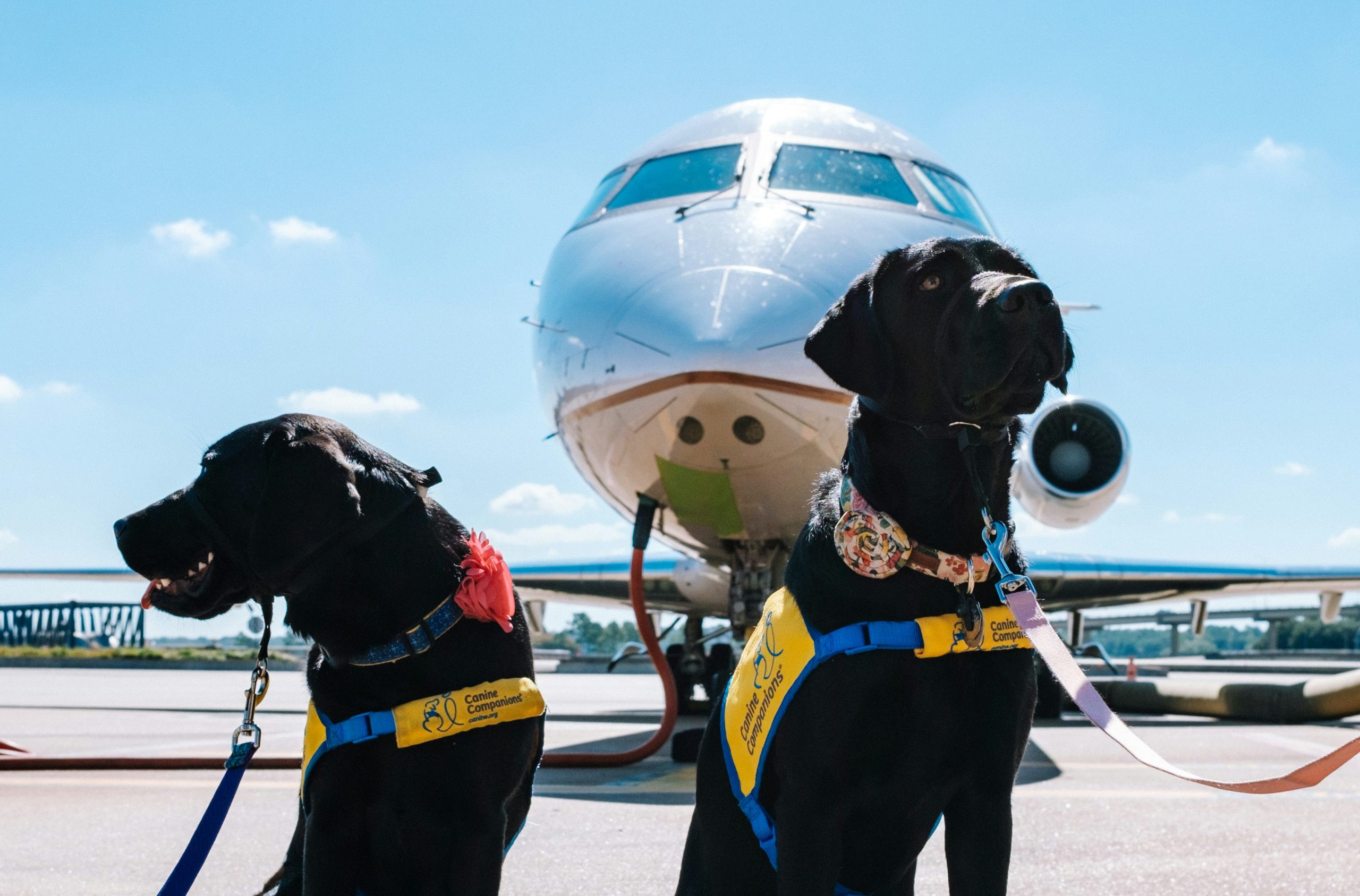
Properly trained service dogs can accompany owners without carriers. They must remain controlled and non-disruptive throughout the journey.
Service Animal vs. Emotional Support Animal Comparison
| Category | Training Requirements | Cabin Access | Fees | Documentation |
|---|---|---|---|---|
| Service Animals | Task-specific training for disabilities | Free, no carrier required | None | DOT forms + airline forms |
| Emotional Support Animals | No specific training required | Standard pet policy applies | $50-$150 per flight | Standard pet documentation |
Guidelines and Additional Requirements for International Flights
Global journeys with furry family members introduce complex regulatory landscapes that vary significantly by destination. Unlike domestic trips, international pet travel demands extensive advance planning spanning several months.
Country-Specific Entry and Rabies Titer Requirements
Each nation maintains unique entry requirements for animal companions. The European Union mandates pets be at least 15 weeks old, reflecting their rabies vaccination timing protocols.
Many destinations require rabies titer testing, a blood analysis confirming vaccine effectiveness. Pets from “rabies controlled” countries listed on EU websites may be exempt from this requirement.
Contact the destination country’s embassy in Washington, DC to confirm current regulations. Some nations prohibit importation entirely or impose lengthy quarantine periods.
ISO Microchip Standards and Certification Processes
European Union entry demands ISO-standard microchips (11784 and 11785). EU scanners cannot read non-ISO chips, making proper implantation essential.
Microchipping must occur before rabies vaccination to establish correct documentation sequence. This timing ensures proper health certificate validation.
When pets arrive as cargo more than five days after owners, a special EU Pet Animal Health Certificate Form is required. This documentation needs USDA-APHIS endorsement within 48 hours of arrival.
Begin international travel preparations 3-6 months early. This allows time for microchipping, vaccinations, testing, and certification processing.
Critical Requirements for Pet Transport by Airplane
Finalizing travel arrangements for your animal companion involves crucial booking steps and airline notifications. Immediate action ensures your furry friend secures one of the limited spots available on each flight.
Booking Your Pet’s Flight and Airline Notifications
Contact your airline immediately after purchasing your ticket. Space for animals operates on a first-come basis with strict number restrictions per flight.
Have your carrier dimensions ready when calling reservations. Representatives need this information to confirm under-seat fit. Animals weighing 100+ pounds typically travel as cargo regardless of your seating.
Review all restrictions before selecting seats. Passengers with cabin companions cannot choose bulkhead or exit rows. These limitations affect your trip planning.
Final Pre-Departure Checklist for a Stress-Free Journey
Confirm your animal’s reservation 48 hours before departure. Verify all health certificates remain current. Ensure your carrier has proper identification tags attached.
Pack essential supplies including food, water, and medications. Arrange feeding schedules to avoid meals right before travel. Arrive early for check-in procedures.
Prepare for security screening where animals must be removed from their carrier. Use a secure harness and leash during this process. You can request private screening if needed.
Remember your baggage allowance includes the kennel plus one personal item. Research your destination airport’s pet relief areas beforehand.
Keep emergency contacts accessible including your veterinarian and airline customer service. This preparation handles unexpected case scenarios during your journey.
Conclusion
Ensuring a smooth aerial experience for your four-legged family member hinges on thorough advance planning and compliance. Successful journeys depend on understanding specific airline policies, meeting health documentation needs, and selecting appropriate carriers. Early preparation is essential for both domestic and international trips.
The process involves multiple coordinated steps from reservation booking to security screening. Beginning documentation processes weeks or months ahead ensures all requirements are met. Quality equipment selection mirrors the safety standards found in outdoor adventure gear.
With this comprehensive information, you can confidently navigate air travel with your dogs or other pets. Companies like Tailyan extend their commitment to safety and comfort from outdoor products to travel preparation. Proper planning transforms every journey into a positive adventure for both you and your animal companion.