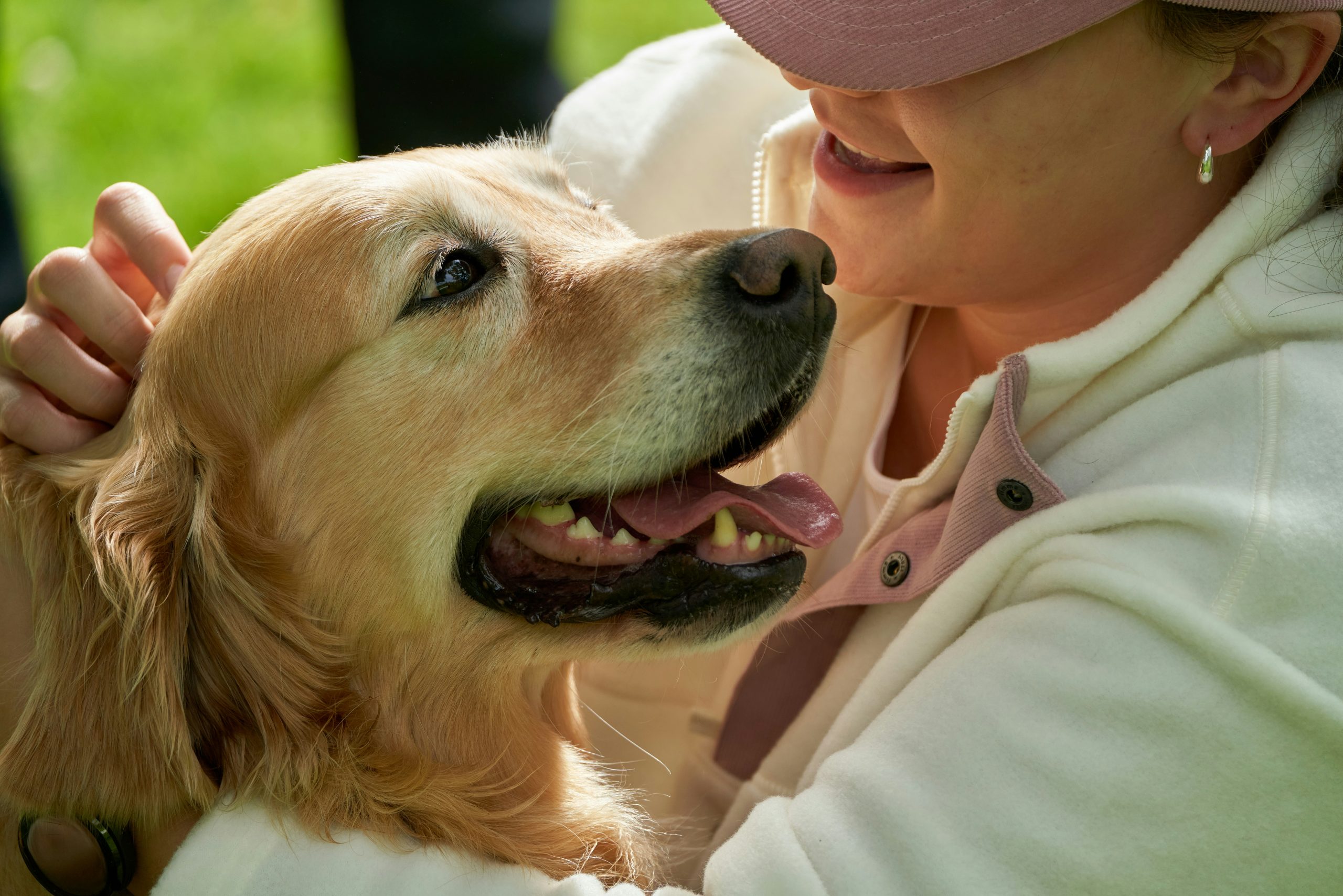
Bringing a furry companion into your home is an exciting journey. Establishing a consistent schedule from day one creates a foundation for lifelong health and happiness. Your canine friend will thrive on predictable patterns that build trust and reduce anxiety.
A well-organized approach supports both physical and mental wellbeing. Proper feeding times aid metabolism and digestion, while regular activity maintains fitness. This structure also helps with house training and creates a sense of security for your animal.
This comprehensive guide covers everything from morning routines to evening wind-downs. We’ll explore feeding schedules, exercise requirements, training sessions, and bonding opportunities. You’ll learn to balance work responsibilities with your companion’s needs.
While we provide a complete framework, remember every animal has unique traits. Adjust based on breed, age, energy level, and personality. With proper guidance, you can confidently meet all your pet’s physical, mental, and emotional requirements.
Key Takeaways
- Consistent schedules build trust and reduce anxiety in your canine companion
- Structured routines support both physical health and mental wellbeing
- Predictable patterns aid house training and create security
- Proper feeding times help maintain metabolism and healthy digestion
- Every animal is unique—adjust routines based on individual needs
- Balance work responsibilities with your pet’s care requirements
- Quality interactions throughout the day strengthen your bond
Getting Started with Your New Pet
Integrating a furry family member requires thoughtful preparation and understanding. Your canine companion’s transition into your household depends on meeting their fundamental requirements. These essential elements create a foundation for wellbeing.
Understanding Your Dog’s Needs
Every pup has core requirements regardless of breed or age. Proper nutrition and fresh water access support physical health. Regular exercise maintains fitness levels. Mental stimulation prevents boredom.
Veterinary care ensures long-term wellness. Consistent social interaction strengthens your bond. Observe your individual animal’s personality during the first weeks. This helps tailor care to match specific needs.
| Dog Type | Adjustment Time | Key Needs | Special Considerations |
|---|---|---|---|
| Puppies | 2-4 weeks | Frequent meals, potty training | High supervision required |
| Adult Dogs | 1-3 weeks | Stable routine, exercise | May have previous habits |
| Senior Dogs | 3-6 weeks | Comfort, gentle activity | Health monitoring essential |
| Rescue Animals | 4-8 weeks | Patience, security | May need extra reassurance |
Building a Trusting Environment
Create a safe, designated space in your home. Include a comfortable bed and water access. Favorite toys provide security and comfort. This area serves as a retreat when feeling overwhelmed.
Building trust requires patience and consistency. Dedicate quality time each day for positive interactions. Learn your pet’s communication signals through body language. This understanding accelerates the bonding process.
Make sure existing family pets are introduced gradually. Use neutral spaces for supervised meetings. Maintain established routines to minimize stress. Calm, positive energy establishes reliable relationships.
Daily Dog Care Routine for New Owners
Structure and predictability form the foundation of a happy, healthy pet relationship. Consistent patterns help animals understand what to expect throughout their day.
Outline of a Structured Day
A well-planned schedule addresses all essential needs. Morning activities include feeding and outdoor time. Midday provides exercise and mental stimulation.
Evening routines focus on relaxation and bonding. This predictable sequence creates security for your companion.
| Time Frame | Primary Activities | Key Benefits | Special Considerations |
|---|---|---|---|
| Morning (6-9 AM) | Feeding, potty break, short walk | Supports metabolism, establishes routine | Puppies need more frequent outings |
| Midday (11-2 PM) | Exercise, training, mental games | Energy release, skill development | Adjust intensity for age and health |
| Afternoon (4-6 PM) | Second feeding, playtime, walk | Digestive health, bonding opportunity | Monitor food portions carefully |
| Evening (8-10 PM) | Calm activities, final potty break | Wind down, prepare for rest | Consistent bedtime promotes sleep |
Benefits of a Consistent Schedule
Regular feeding times support optimal digestive function. Animals thrive when they know when meals will arrive. This predictability reduces anxiety and begging behaviors.
Establishing fixed potty breaks accelerates house training. Pets learn to anticipate bathroom opportunities. This prevents accidents and creates reliable habits.
Mental health improves through predictable patterns. Your companion feels secure knowing what comes next. This stability strengthens your bond over time.
Midday and Afternoon: Exercise, Training, and Mental Enrichment
Midday activities serve as an essential bridge between morning routines and evening relaxation. This period addresses pent-up energy and provides crucial mental stimulation.
Short Walks and Potty Breaks
A midday walk of 10-20 minutes offers valuable exercise and environmental exploration. This break prevents afternoon restlessness and supports house training consistency.
Puppies and senior animals particularly benefit from additional potty opportunities. Working pet parents should arrange for midday assistance when needed.
Engaging Playtime and Puzzle Toys
Afternoon play sessions capitalize on natural energy peaks. Interactive games like fetch and hide-and-seek provide both physical activity and mental engagement.
Puzzle toys challenge problem-solving skills during quieter moments. These tools prevent boredom when owners are occupied with other tasks.
Effective Training Tips
Short, focused training sessions of 5-10 minutes maintain your pup’s attention. Positive reinforcement with treats or praise makes learning enjoyable.
Practice essential commands like “come” and “stay” during these brief sessions. Always conclude with a rest period to allow for mental processing.
Evening Wind Down: Relaxation and Bonding Time
The evening hours present a valuable opportunity to reinforce your connection while preparing for restful sleep. This period transitions from daytime activity to nighttime calm. Consistent patterns during this time support both physical and emotional wellbeing.
Establishing predictable evening habits creates security for your companion. These rituals help animals understand that the active portion of the day is ending. A structured approach ensures all essential needs are met before bedtime.
Calming Walks and Dinner Routine
Serve the evening meal between 5-7 PM for optimal digestion. Regular feeding times maintain healthy metabolism. This consistency reduces anxiety around meal expectations.
Follow dinner with a leisurely stroll before darkness falls. This walk provides gentle exercise and a final potty opportunity. Low-stimulation activity helps your pup wind down naturally.
The post-meal period is perfect for quiet bonding. Gentle cuddles or light massage strengthen your emotional connection. These calm interactions build trust and security.
Grooming and Cuddle Moments
Evening grooming sessions serve multiple purposes. Regular brushing prevents matting and removes allergens. Many animals find this tactile experience soothing before sleep.
Proper nail care maintains overall physical health. Overgrown nails can cause discomfort and posture issues. Schedule regular trims either at home or professionally.
Bathing frequency depends on your companion’s specific needs. Most benefit from baths every 4-8 weeks using pet-specific products. Adjust based on coat type and activity level.
| Evening Activity | Optimal Time | Primary Benefits | Special Considerations |
|---|---|---|---|
| Evening Meal | 5-7 PM | Digestive health, routine establishment | Adjust portions based on daily activity |
| Post-Dinner Walk | Before dark | Exercise, final potty break, bonding | Keep leash relaxed, avoid overstimulation |
| Grooming Session | After walk | Coat health, calming tactile experience | Use appropriate brushes for coat type |
| Quiet Bonding | Before bedtime | Emotional connection, stress reduction | Maintain calm energy, avoid excited play |
Complete the evening with a final potty break right before sleep. Ensure your companion is comfortable in their sleeping area. Consistent evening care supports both physical health and emotional security.
Handling Special Needs: Puppies and Senior Dogs
Tailoring your approach to your companion’s life stage ensures optimal wellbeing. Young pups and older animals require significantly different care strategies. Understanding these distinctions helps prevent health issues and behavioral problems.
Adjusting the Routine for Different Life Stages
Young pups need frequent meals to support rapid growth. Their metabolism demands three to four feedings daily. This differs greatly from adult animals who typically eat twice.
Potty breaks must occur every one to two hours for puppies. Take them out after meals and naps. This consistency accelerates house training and prevents accidents.
Exercise requirements vary dramatically by age. Young animals have developing bones vulnerable to injury. Multiple short play sessions work better than long walks.
Senior pets benefit from familiar patterns that provide comfort. Predictable schedules reduce confusion in animals with cognitive changes. Gentle, low-impact activities maintain joint health without strain.
| Life Stage | Feeding Frequency | Exercise Type | Veterinary Visits |
|---|---|---|---|
| Puppies | 3-4 meals daily | Short play sessions | Frequent first year |
| Adult Dogs | 2 meals daily | Moderate activity | Annual checkups |
| Senior Pets | Adjusted portions | Gentle walks | Biannual exams |
Dietary needs change throughout your animal’s life. Young pups require nutrient-dense food for development. Older companions often need reduced calories and joint supplements.
Regular veterinarian consultations become increasingly important with age. Senior animals should have checkups every six months. Health changes can occur rapidly in older pets.
Monitor your companion’s evolving requirements over time. Adjust their schedule as needed to maintain optimal health. Consult your veterinarian when making significant changes to their routine.
Integrating Outdoor Adventures with Quality Gear
Quality outdoor gear transforms simple walks into memorable adventures for both you and your furry friend. Weekend flexibility allows for extended activities like hiking or beach trips that provide enhanced exercise and mental stimulation.
Seasonal adjustments ensure safety during temperature extremes. Early morning or evening outings work best in hot weather. This approach maintains your pet’s routine while expanding their experiences.
Choosing Safety-Focused Outdoor Products
Proper equipment is essential for extended outdoor activities. Well-fitted harnesses, durable leashes, and reflective gear provide necessary protection. These items help keep your companion secure during exploration.
Protective booties safeguard paws from rough terrain and extreme temperatures. Quality gear enhances comfort while reducing outdoor risks. This makes adventures more enjoyable for everyone involved.
Tailyan Products for Comfort and Durability
Tailyan specializes in high-quality outdoor products designed for pet lovers. Their adventure accessories prioritize safety, comfort, and lasting performance. This commitment ensures unforgettable outdoor memories.
The pet backpacks feature ventilated designs and secure attachments. They allow safe transport during longer walks or hiking trips. Tailyan’s tents and camping gear accommodate pets comfortably in various conditions.
Thoughtful design features make sure your companion stays content during activities. Investing in proper equipment strengthens your bond through shared adventures. Quality gear supports expanding your daily dog routine safely.
Conclusion
The investment in a structured pet schedule yields significant returns in health and happiness. Consistency builds trust and reduces anxiety while supporting long-term wellbeing.
This organized approach benefits both animal and owner. Regular potty breaks, feeding times, and play activities create security. Quality products enhance safety during walks and adventures.
Remain flexible as you establish patterns that work for your specific situation. Consult your veterinarian for guidance on nutrition and health monitoring.
The commitment to proper care strengthens your bond immeasurably. Your efforts create a harmonious home environment filled with joyful companionship.