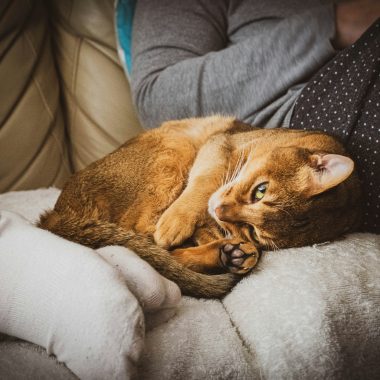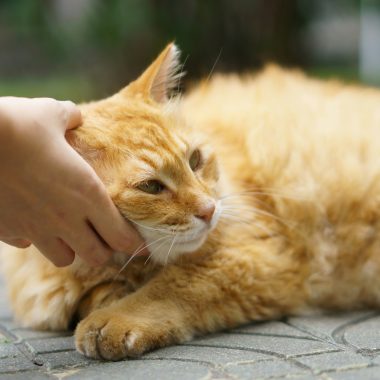
Welcoming a feline companion into your home is a wonderful experience. It marks the start of a rewarding journey filled with purrs and playful moments. This guide is designed to help you navigate this exciting time with confidence.
We understand that becoming a pet parent comes with many questions. Our goal is to provide clear, manageable advice. You will learn how to create a safe and comfortable environment for your new arrival.
This resource covers all the fundamentals. Topics include proper nutrition, grooming basics, and important veterinary care. We also focus on environmental enrichment and building a lasting bond.
Our recommendations extend to outdoor adventures. We highlight high-quality products that prioritize your pet’s safety and comfort. This ensures every experience is positive and memorable for you both.
Whether you have a kitten or an adult, this guide offers tailored support. You will gain the knowledge to ensure your furry friend thrives for years to come.
Key Takeaways
- Prepare your home to be a safe and welcoming space for your new arrival.
- Establish healthy routines for feeding, grooming, and playtime right from the start.
- Learn the basics of feline nutrition to support your pet’s long-term health.
- Understand the importance of regular veterinary check-ups and preventive care.
- Discover ways to enrich your cat’s environment for their mental and physical well-being.
- Find trusted product recommendations for both indoor comfort and outdoor adventures.
- Focus on building a strong, trusting relationship with your new companion.
Welcoming Your New Feline Companion
Your approach during the first critical days will determine how quickly your companion adapts to their surroundings. This period establishes the foundation for your entire relationship.
Setting the Stage for a Smooth Transition
Begin by confining your new cat to one quiet room with all essential supplies. This dedicated space reduces overwhelming stimuli and provides a safe base.
Set up food, water, and a litter box in this area. Include multiple hiding spots at different heights. A simple cardboard box with a soft blanket offers security.
Spending regular time in this room helps your feline friend become accustomed to your presence. Quiet activities like reading allow natural bonding.
Establishing Trust and Communication
Never force interaction—let your pet approach you first. Use interactive toys or treats to create positive associations.
Watch for relaxed body language as a sign of readiness. When your cat moves confidently around their initial space, gradually expand access to other areas.
Remember that adjustment periods vary significantly. Some pets adapt within days, while others need several weeks. Patience ensures a stress-free transition for everyone.
Essential Cat Care for New Cat Owners
Every cat possesses distinct personality traits that shape their specific care requirements. Recognizing these individual differences is fundamental to providing appropriate support for your pet’s wellbeing.
Understanding Your Cat’s Unique Needs
Having essential supplies ready before arrival demonstrates your commitment to responsible ownership. A comprehensive checklist ensures you cover all necessities for your feline companion’s comfort and health.
Basic requirements include food and water bowls, age-appropriate nutrition, and a comfortable resting area. Litter box supplies must be available from day one to establish good habits.
Safety items like a sturdy carrier and identification tags provide crucial protection. Enrichment tools support natural behaviors and prevent destructive habits.
| Supply Category | Essential Items | Budget Allocation | Priority Level |
|---|---|---|---|
| Nutrition & Hydration | Bowls, vet-recommended food, water fountain | $120-$150 | High |
| Safety & Security | Carrier, collar with ID, microchip | $60-$80 | High |
| Comfort & Rest | Bed, cat tree, scratching post | $80-$100 | Medium |
| Enrichment & Grooming | Toys, brush, nail clippers | $40-$60 | Medium |
Planning for approximately $400 in first-year expenses ensures consistent care quality. Remain flexible as you discover what works best for your specific feline friend.
Preparing Your Home for a Feline Friend
Transforming your living environment into a welcoming sanctuary is the first step toward feline harmony. This preparation creates security for your incoming pet and prevents common household hazards.
A well-planned space reduces stress during the adjustment period. It shows your commitment to your companion’s wellbeing from day one.
Creating a Cat-Friendly Space
Every cat needs a personal sanctuary—a quiet corner, spare room, or even a converted closet. This dedicated space serves as a retreat when your pet feels overwhelmed.
Equip this area with essential supplies: food and water stations, a comfortable bed, and hiding spots. A simple cardboard box provides perfect privacy for nervous felines.
Window perches throughout your home offer mental stimulation. Cats enjoy observing outdoor activity and basking in sunlight from these vantage points.
Designing Safe and Comfortable Areas
Cat-proofing your home is crucial for prevention accidents. Secure loose wires, remove toxic plants, and ensure windows have sturdy screens.
Create vertical territory with cat trees or wall shelves. Elevated spaces satisfy natural climbing instincts and provide security.
Designate multiple resting areas in different rooms. This accommodates your cat’s need to sleep 60-70% of the day while staying near family activities.
For multi-level homes, place resources on each floor. This ensures easy access for senior pets or those with mobility challenges.
Setting Up the Ultimate Litter Box Area
Creating an optimal elimination space requires thoughtful planning and consistent maintenance. This area significantly influences your pet’s comfort and willingness to use the designated spot regularly.
Proper setup prevents common behavioral issues that can strain the human-animal bond. A well-managed station promotes household harmony and supports your companion’s natural instincts.
Selecting the Right Cat Litter and Box
Choose an uncovered design for better ventilation and odor control. Covered models often trap unpleasant smells that sensitive feline noses detect easily.
Size matters significantly—select a container at least 1.5 times your pet’s length. This allows comfortable turning and digging movements.
Stick with unscented varieties initially, as artificial fragrances may deter use. Most animals prefer the same type they previously encountered.
| Box Type | Best For | Size Recommendation | Maintenance Level |
|---|---|---|---|
| Uncovered | All cats, odor-sensitive pets | Large (18″+ length) | Easy daily scooping |
| Covered | Privacy-seeking cats | Extra-large (20″+ length) | Frequent deep cleaning |
| Low-entry | Kittens, senior pets | Standard (16″+ length) | Easy access cleaning |
| Self-cleaning | Busy households | Manufacturer specified | Automated with monitoring |
Maintaining Cleanliness and Odor Control
Daily scooping is non-negotiable for maintaining a fresh environment. Fastidious creatures may refuse soiled areas, leading to unwanted accidents.
Complete cleaning every two weeks removes residual buildup. Use mild, unscented soap instead of harsh chemicals or ammonia-based products.
“If you notice unpleasant odors, your pet definitely does too. Consistent cleanliness ensures reliable use of the designated area.”
Strategic placement in quiet, low-traffic zones encourages consistent habits. Multiple-animal homes need several stations distributed throughout the space.
Nutrition and Feeding Guidelines
Nutritional planning requires careful consideration of your feline’s age, preferences, and specific health requirements. Proper food choices support overall wellbeing during this important transition period.
Choosing Vet Recommended Cat Food
Start with the same diet your pet received previously to prevent digestive issues. Stress can reduce appetite, so monitor consumption closely during the first days.
When transitioning to new food, follow a gradual seven-day schedule. This prevents gastrointestinal upset and ensures acceptance of the new diet.
| Feeding Schedule | Best For | Frequency | Key Benefits |
|---|---|---|---|
| Twice Daily | Most adult pets | Morning & Evening | Regulates metabolism, prevents obesity |
| Free Choice | Underweight or highly active animals | Constant access | Convenient, self-regulated intake |
| Three Times Daily | Kittens, seniors, medical conditions | Small frequent meals | Supports growth or special needs |
Consult your veterinarian for specific dietary recommendations. They can suggest appropriate food based on life stage and health status.
Hydration is equally important. Provide fresh water in multiple locations. Many pets prefer running water from fountains.
Place food and water bowls away from litter areas. This respects natural preferences and encourages consistent use of both resources.
Grooming and Health Care Essentials
A comprehensive approach to your pet’s maintenance combines regular grooming sessions with proactive veterinary care. These practices work together to support overall wellbeing and prevent common issues.
Daily and Routine Grooming Tips
Brushing frequency depends on your feline’s coat type. Short-haired varieties typically need weekly sessions, while long-haired cats benefit from daily attention to prevent matting.
Essential tools include an appropriate brush for your pet’s fur, nail clippers, and dental supplies. Regular grooming reduces shedding and provides opportunities to check for skin abnormalities.
Establishing this routine early helps your companion become comfortable with handling. This makes future veterinary examinations and medication administration much easier.
Scheduling Regular Veterinary Checkups
Schedule an initial vet appointment soon after adoption. This establishes baseline health information and ensures current vaccinations.
Core vaccines include rabies and FVRCP protection. Your veterinarian may recommend additional vaccines based on lifestyle factors.
Regular checkups allow early detection of health issues. Most adult felines benefit from semi-annual visits to maintain optimal health.
Discuss preventive care strategies during appointments. This includes flea and tick prevention, even for indoor pets.
Incorporating Outdoor Adventure with Tailyan Products
The desire for outdoor exploration doesn’t have to conflict with your commitment to keeping your pet secure. Many animals enjoy fresh air and new experiences, but unsupervised outdoor access poses serious risks to their well-being.
Tailyan offers innovative solutions that balance safety with enrichment. Their products allow supervised adventures that create lasting memories.
Exploring Pet Backpacks and Outdoor Accessories
A high-quality backpack provides a comfortable way to transport your feline companion. These specialized carriers feature proper ventilation and secure closures.
They’re perfect for veterinary visits or neighborhood walks. Many owners use them for more ambitious travels like camping trips.
Portable accessories complete your adventure kit. Collapsible dishes and travel litter boxes maintain routines in new environments.
Ensuring Safety and Durability on the Go
Safety features are non-negotiable when selecting outdoor gear. Tailyan products prioritize secure construction and escape-proof designs.
Durable materials withstand regular use over time. This protects your investment while ensuring consistent protection for your animal.
Proper equipment transforms routine outings into enriching experiences. It strengthens your bond while keeping your companion safe throughout their life.
Enriching Your Cat’s Environment with Toys and Scratching Posts
Understanding and accommodating instinctive scratching behavior protects your furniture while satisfying your pet’s needs. Proper environmental enrichment supports physical health and mental wellbeing for felines of all ages.
Understanding Scratching Behavior and Solutions
Scratching serves multiple natural purposes for cats. It maintains claw health, stretches muscles, and marks territory through scent glands in paw pads.
A sturdy scratching post is essential for redirecting this behavior. The Pioneer Pet SmartCat Ultimate Scratching Post stands 32 inches tall, allowing full-body stretching. Its solid wood base prevents tipping during vigorous use.
Woven sisal fiber surfaces last longer than carpet or rope alternatives. Strategic placement near sleeping areas and entry points encourages regular use. Transferring your cat’s scent to a new post increases acceptance.
Interactive Play and Mental Stimulation
Interactive toys provide essential mental exercise and bonding opportunities. Wand-style toys with feather attachments simulate prey movement for natural hunting behaviors.
Offer variety to discover your individual cat’s preferences. Kittens benefit from toys that channel energy and support development. Senior cats often enjoy feather wands and climbing cat trees.
Supervised play sessions strengthen your relationship. Avoid using hands as toys to prevent biting habits. Cat trees combine scratching surfaces, climbing opportunities, and resting spots in one unit.
Addressing Stress and Transition Challenges
Moving to a new environment creates significant stress for any feline, requiring thoughtful management during the adjustment period. Recognizing subtle behavioral changes helps owners provide appropriate support during this critical time.
Recognizing Signs of Stress
Stress manifests through various indicators that owners should monitor closely. These signs often appear gradually rather than suddenly.
Common stress signals include reduced appetite and decreased grooming activity. Animals may hide extensively or show disinterest in social interaction.
| Stress Indicator | Common Manifestation | Timeframe for Concern | Recommended Action |
|---|---|---|---|
| Appetite Changes | Refusing food for 24+ hours | Immediate attention needed | Offer favorite treats, consult vet |
| Hiding Behavior | Remaining hidden 80% of time | After 3-4 days | Create safe spaces, don’t force interaction |
| Grooming Changes | Dull coat, matting appearance | Within first week | Gentle brushing, veterinary check |
| Sleep Pattern Shifts | Unusual locations, restless sleep | Persisting beyond 5 days | Provide warm, quiet sleeping areas |
Strategies for a Calm, Happy Cat
Shelter animals experience multiple relocations in short timeframes. This history makes patience particularly important for these cats.
Allow your new companion to set the interaction pace. Provide hiding spots and don’t force contact. This approach builds confidence through environmental control.
Make sure all early interactions remain positive. Use wand toys and high-value treats to create good associations. Establish consistent routines for feeding and playtime.
Create multiple comfortable resting areas with plenty of soft bedding. Position the bed in warm, quiet locations away from household traffic. Evening play sessions help tire kittens before sleep.
Conclusion
The decision to welcome a cat into your household initiates a transformative experience filled with mutual learning and affection. This journey with your feline companion brings daily rewards that enrich your shared life together.
Following this comprehensive checklist ensures you’re well-prepared with quality supplies from the start. Whether adopting a playful kitten or an adult pet, proper preparation prevents common challenges. Your investment in durable equipment and appropriate nutrition establishes a solid foundation.
The bond you build with your cat grows stronger through attentive care and understanding. Each pet has unique preferences that guide your approach. This rewarding relationship brings years of companionship and joy to your household.