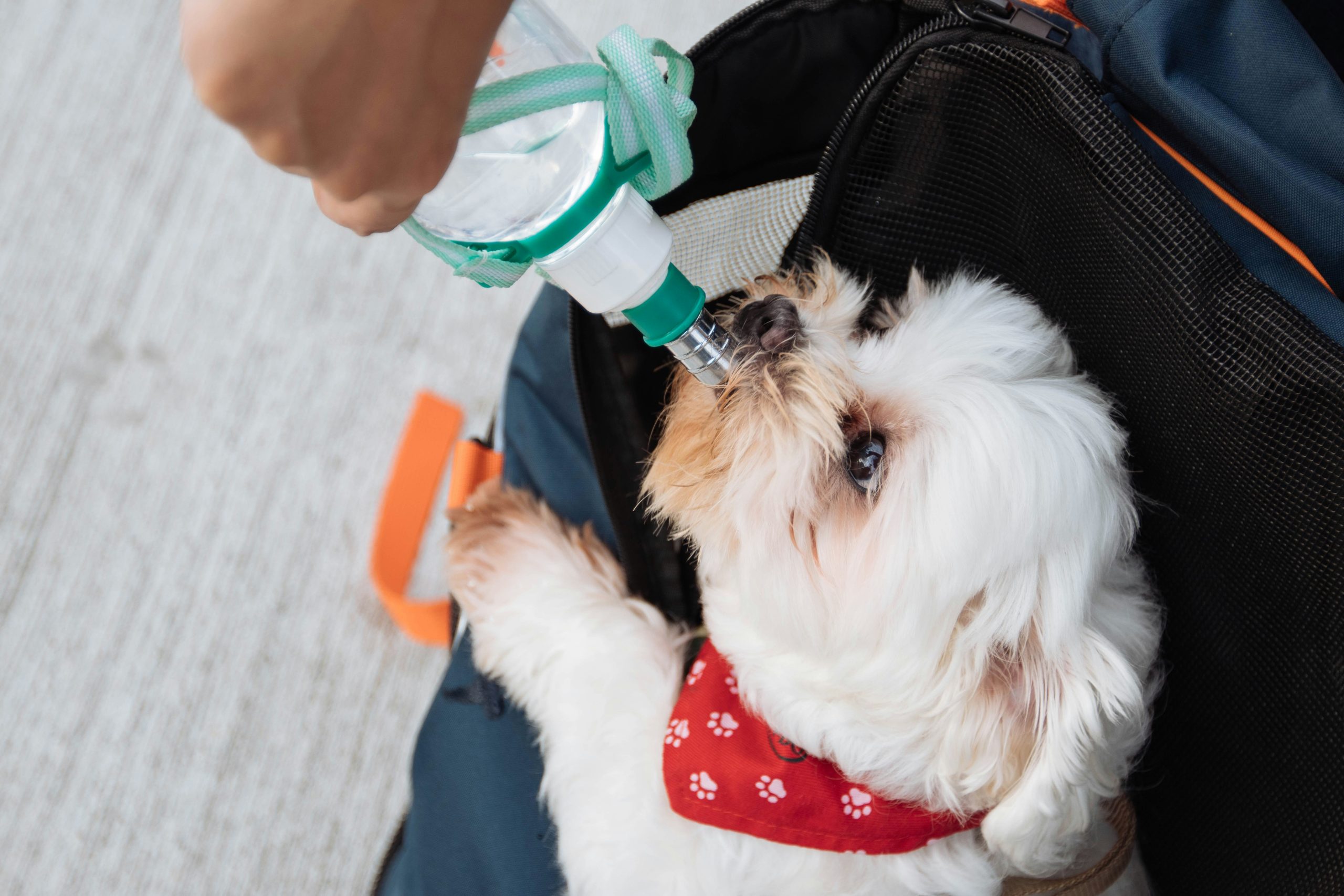
Welcome, pet parents. This guide is for you. Our canine companions explore the world with their mouths. This natural curiosity can sometimes lead them to trouble.
Accidental poisoning is a real worry for any responsible dog owner. Whether at home or on an adventure, knowing how to react is crucial. This article provides clear, step-by-step information.
You will learn to recognize risky substances and understand warning signs. We cover immediate actions to take and when to call a veterinarian. Being prepared can turn a major emergency into a manageable situation.
This knowledge empowers people to act fast and with confidence. We address both indoor hazards and outdoor safety. Our goal is to help you protect your beloved pet everywhere.
You will find details on common poisons, response protocols, and prevention tips. This comprehensive information is based on veterinary expertise. It prepares you for real-world situations.
Key Takeaways
- Dogs are naturally curious, which can lead to accidental ingestion of dangerous items.
- Recognizing the signs of poisoning quickly is essential for your pet’s health.
- Immediate and correct action can significantly impact the outcome of an emergency.
- Knowing when to seek professional veterinary aid is a critical part of the process.
- Preparation and knowledge empower you to handle scary situations with confidence.
- Safety measures apply both inside your home and during outdoor activities with your dog.
- This guide offers practical steps based on expert advice to keep your companion safe.
Understanding Common Poisons and Recognizing Symptoms
The average home contains numerous substances that are toxic to curious pets. Many everyday items pose serious risks to canine companions. Being aware of these dangers helps prevent accidental exposure.
Identifying hazardous substances and toxins
Common household poisons include cleaning solutions, medications, and certain foods. Chocolate contains theobromine, which is highly toxic to dogs. Grapes, raisins, and products with xylitol also present significant risks.
Many popular houseplants like Monstera and Dieffenbachia can cause poisoning if nibbled. Outdoor hazards include pesticides and antifreeze. Even seemingly harmless items like playdough or potpourri may contain dangerous substances.
Early symptoms of poisoning in pets
Watch for vomiting, diarrhea, or excessive drooling as early warning signs. Behavioral changes like agitation or unusual apathy often indicate trouble. Respiratory issues and elevated heart rate require immediate attention.
Knowing your pet‘s normal behavior helps you spot these symptoms quickly. Early detection significantly improves treatment outcomes. Remember that the severity depends on the specific substance and amount consumed.
This knowledge empowers you to act confidently during emergencies. Recognizing these dangers doesn’t mean living in fear—it means being prepared.
Immediate Actions and Safety Precautions
Having a clear action plan ready is your best defense against accidental poisoning. Quick, informed decisions can significantly improve outcomes during emergencies.
Contacting your veterinarian and poison control
If you suspect toxin exposure, call your veterinarian immediately. Professional advice is essential before taking any action.
Gather key information before calling. Know your pet‘s weight and the suspected time of ingestion. Have the substance packaging ready if available.
The ASPCA Animal Poison Control Center (888-426-4435) offers 24/7 expert guidance. Detailed descriptions help determine the best course of action.
Never induce vomiting without explicit veterinary approval. This common instinct can worsen certain poisoning situations.
Preventative measures to safeguard your pet
Pet-proof your home like you would for a child. Secure medications and cleaning products out of reach.
Evaluate all plants to make sure they’re safe for your dog. Remove or relocate toxic varieties.
Keep emergency contacts accessible. Save numbers in your phone and near your first aid supplies.
| Emergency Resource | Contact Information | Availability | Key Details |
|---|---|---|---|
| Your Veterinarian | Office phone number | Business hours | Knows your pet’s history |
| Emergency Veterinary Hospital | Local emergency number | 24/7 | Immediate critical care |
| ASPCA Poison Control | 888-426-4435 | 24/7 | Consultation fee may apply |
Proper preparation ensures you can provide the right aid when seconds count. This advice helps you navigate poisoning emergencies confidently.
First aid for dogs that have ingested harmful substances
Emergency situations require calm, informed decisions to protect your canine companion. Your immediate actions can significantly impact your pet’s recovery.
Step-by-step guide to first aid treatment
Always call your veterinarian before taking any action. Professional guidance ensures you provide the right care.
Time matters greatly when dealing with toxins. Some items like chocolate may stay in the stomach for hours. Others absorb quickly.
Never attempt to make your dog vomit without veterinary approval. This can be dangerous with certain substances.
Corrosive materials can cause additional damage during vomiting. Brachycephalic breeds face higher aspiration risks.
When to seek professional help immediately
Certain symptoms demand urgent veterinary attention. Watch for breathing difficulties or seizures.
Other emergency signs include loss of consciousness and severe heart rate changes. Continuous sickness or blood also requires immediate care.
While transporting your pet, keep them calm and bring substance packaging. Avoid offering food or water unless instructed.
Remember that first aid serves as a bridge to professional treatment. Quick action combined with expert care gives your companion the best chance.
Detailed Guidance on Inducing Vomiting and Toxin Removal
Understanding the right and wrong ways to handle toxin ingestion separates effective care from dangerous mistakes. Proper methods can help your companion, while incorrect approaches often worsen the situation.
Using hydrogen peroxide safely under vet guidance
The only potentially safe method to induce vomiting in dogs involves 3% household hydrogen peroxide. Always get explicit veterinary approval first.
Administer one teaspoon per 10 pounds of body weight. You may repeat this hydrogen peroxide dose every 15-20 minutes, up to two times maximum.
This should ideally occur while traveling to your veterinarian. Never use this method for cats, as hydrogen peroxide can cause fatal stomach bleeding in felines.
Understanding risks of improper methods
Many old-fashioned remedies are actually hazardous. Using salt to cause vomiting can lead to deadly brain swelling and seizures.
The idea that milk neutralizes medications or other poisons is a myth. Most pets are lactose intolerant, so milk often increases stomach upset.
Oils, butter, and grease create additional dangers. They can trigger pancreatitis or aspiration pneumonia if vomited.
| Dangerous Method | Specific Risks | Why People Use It | Safe Alternative |
|---|---|---|---|
| Salt | Electrolyte imbalance, seizures | Old folk remedy | Veterinary guidance only |
| Milk | Stomach upset, no toxin neutralization | Misbelief about neutralizing effects | No food/liquid unless vet-approved |
| Oils/Grease | Pancreatitis, aspiration pneumonia | Thought to coat stomach | Professional toxin removal |
Always consult your veterinarian before attempting to induce vomiting. The specific substance ingested determines the correct response.
Creating a Safe Environment for Outdoor Adventures
When it comes to keeping your canine companion safe, prevention begins long before you step outside your door. Your living space should be as secure as a childproofed area. Curious pets can access surprising places when motivated.
Pet-proofing your home and outdoor gear
Conduct a thorough audit of your entire home. Look for potential hazards from a dog‘s perspective. Secure all food items, especially tempting chocolate, in closed cabinets.
Check every plant in your home for pet safety. Even high shelves aren’t always safe from determined climbers. Store hazardous things like pesticides in locked areas.
Your yard requires the same careful consideration. Remove toxic plants or create secure barriers. Outdoor gear should be stored safely when not in use.
Choosing durable and safe pet products from Tailyan
Tailyan creates high-quality outdoor products designed with your pet‘s safety in mind. Their adventure gear focuses on comfort and durability for unforgettable memories.
Always pack a comprehensive first aid kit when traveling. Include bandages, tweezers, and other essential things. Store it conveniently in your Tailyan backpack.
This preparation course of action helps make sure every adventure remains joyful. Quality gear and proper planning minimize risks for your beloved pet.
Conclusion
Knowledge truly becomes power when it comes to safeguarding your beloved companion. Your preparation and education serve as the most powerful tools for protecting your furry family members.
Remember that contacting your veterinarian or the ASPCA Animal Poison Control Center should always be your first step when poisoning is suspected. This professional guidance ensures you provide the right aid without risking further harm.
Common household items and yard substances pose genuine risks to both dogs and cats. Proper first aid responses, like using hydrogen peroxide only when approved, can make a critical difference.
Trust veterinary experts over well-meaning people sharing outdated methods. Prevention remains your best strategy—securing toxic substances and removing dangerous plants dramatically reduces incidents.
This information empowers you to confidently protect your pets during emergencies. Your preparedness brings peace of mind, knowing you can respond effectively if poison exposure occurs.