Every pet owner dreads the moment their companion goes missing during outdoor adventures. This comprehensive guide addresses that critical situation with proven strategies for reuniting families with their furry friends.
Research from the Missing Animal Response Network reveals that rescuer behavior plays a crucial role in successful reunions. What people think and believe directly influences their actions during search efforts.
Many canine companions experience significant fear when separated from familiar environments, even if they’re typically confident at home. Understanding these psychological changes helps explain why traditional calling methods often prove ineffective.
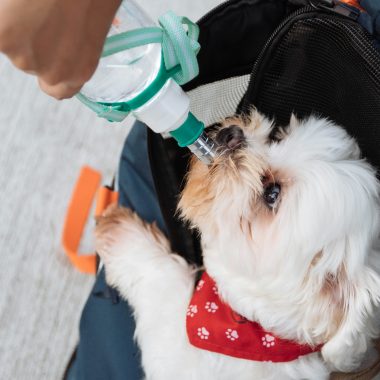
Proper preparation with quality outdoor gear from trusted brands like Tailyan can prevent separation incidents while facilitating quicker resolutions when they occur. Having the right equipment makes all the difference in outdoor pet safety.
This professional resource draws on expert insights from animal behaviorists and recovery specialists. It provides research-backed information to help both pet owners and good Samaritans navigate these challenging scenarios effectively.
Key Takeaways
- Rescuer mindset and behavior significantly impact recovery success rates
- Pets experience psychological changes when separated from familiar settings
- Quality outdoor gear serves as both prevention and solution tool
- Traditional calling methods may not work with frightened animals
- Expert guidance combines animal psychology with practical field techniques
- Proper preparation reduces risk and improves outcome possibilities
- This guide serves both pet owners and community helpers
Understanding Lost Dog Outdoors Recovery
Navigating the complexities of locating a missing pet in wilderness areas requires understanding several critical psychological and environmental factors. Proper preparation with quality safety equipment forms the foundation for effective response strategies when separation occurs.
Exploring the Challenges of Outdoor Pet Recovery
Wilderness searches present distinct obstacles compared to urban environments. The involved area often spans vast territories with difficult terrain. Limited visibility and exposure to weather elements complicate search efforts significantly.
Animal behavior undergoes dramatic transformation during separation episodes. According to pet detective Kat Albrecht, many canines experience extreme fear when separated from familiar settings. This psychological shift explains why traditional calling methods often prove ineffective.
Environmental conditions directly impact search strategies. Temperature extremes, wildlife presence, and water availability influence both the animal’s movements and recovery approach. Rescuers must consider these variables when planning systematic area searches.
Key Factors Influencing Recovery Success
Time emerges as the most critical element in successful reunions. The longer an animal remains missing, the more likely they enter survival mode. This physiological state reduces their ability to recognize familiar people or respond to commands.
Rescuer behavior plays an equally important role. Avoid assumptions about found animals based solely on appearance or location. Research indicates most pets are found within 1,000 feet of their separation point.
| Factor | Urban Environment | Wilderness Setting |
|---|---|---|
| Search Area Size | Limited, structured blocks | Expansive, unstructured terrain |
| Visibility Conditions | Good lighting, clear sightlines | Limited visibility, natural obstacles |
| Animal Behavior | Seeks human contact | Avoids contact, survival focused |
| Time Sensitivity | Moderate urgency | High urgency due to elements |
| Approach Strategy | Direct calling effective | Indirect methods required |
Understanding these fundamental differences prepares owners for effective action. Quality outdoor gear serves as both prevention tool and recovery asset when separation incidents occur.
Preparing for Outdoor Recovery with Tailyan Gear
Investing in purpose-built gear creates a safety net that prevents separation incidents while enhancing outdoor experiences. Tailyan specializes in high-quality products designed specifically for nature enthusiasts who explore with their animal companions.
The company’s focus on safety, comfort, and durability ensures every adventure becomes an unforgettable memory. Proper equipment preparation significantly reduces risks while facilitating quicker resolutions when needed.
High-Quality Products for Safety and Comfort
Tailyan’s commitment to quality means each product undergoes rigorous testing. Their gear incorporates reinforced attachment points and visibility-enhancing materials.
Comfort-focused designs keep animals calm during activities. This reduces stress-related behaviors that might cause separation from their people.
Durability is essential for wilderness equipment. Tailyan products withstand challenging conditions that could lead to equipment failure.
Utilizing Pet Backpacks, Tents, and Adventure Accessories
Specialized backpacks allow owners to transport smaller or tired companions securely. This prevents wandering in unfamiliar territories.
Properly equipped tents provide enclosed spaces during camping trips. Pets remain safe overnight when they might otherwise leave camp.
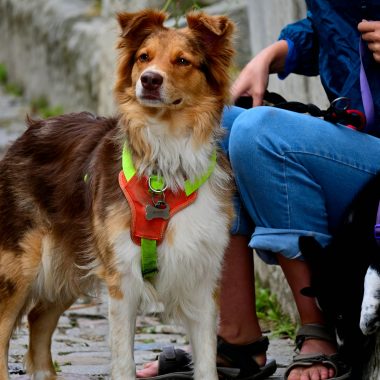
Adventure accessories include reflective collars and identification tag holders. These features ensure faster reunions if separation occurs.
Having the right equipment transforms potentially risky situations into controlled adventures. Owners gain peace of mind while their companions explore safely.
How to Approach and Secure a Lost Pet
When you spot a wandering companion animal, your initial actions can determine whether the situation resolves safely or escalates. Proper assessment and calm execution are essential for successful reunification.
Assessing the Dog’s Behavior and Body Language
Observe the animal’s posture from a distance before approaching. A relaxed body with soft eyes suggests potential approachability. Stiff posture or bared teeth indicate stress or aggression.
Turn your body sideways to appear less threatening. Avoid direct eye contact and move slowly. Allow the canine to initiate contact rather than advancing toward it.
Implementing Safety Measures for Both Pet and Owner
Use high-value food items like hot dogs to create positive associations. Crinkly bags mimic eating sounds that attract attention. Toss treats toward the animal to encourage gradual approach.
If the animal shows extreme fear or aggression, maintain visual contact from a safe distance. Contact professional animal control services immediately. Photograph the animal for identification purposes.
These protocols protect both people and pets during stressful encounters. Proper technique reduces the risk of bites and prevents animals from fleeing the area.
Leveraging Social Media and Local Resources
The digital age offers unprecedented tools for connecting found animals with their searching families through strategic communication channels. Building a multi-faceted approach ensures maximum visibility across both online and traditional networks.
Using Online Platforms and Flyers to Spread the Word
Social media platforms create immediate community awareness. Posts on local Facebook groups and Nextdoor reach targeted audiences quickly. These digital tools allow information to spread across neighborhoods in minutes.
Traditional flyers remain highly effective for reaching diverse audiences. Clear photos and contact details help people recognize the animal. Placing notices in high-traffic areas increases visibility significantly.
| Method | Reach | Speed | Best For |
|---|---|---|---|
| Social Media | Broad digital audience | Instant distribution | Quick community alerts |
| Printed Flyers | Local physical presence | 24-hour visibility | Neighborhood searches |
| Online Databases | National network | Continuous matching | Long-term cases |
| Direct Contact | Immediate verification | Real-time resolution | Local recognition |
Engaging Local Shelters and Veterinarians
Animal shelters serve as primary contact points for searching families. Providing your contact information creates a direct link for reunification. Even temporary caregivers should notify these facilities.
Veterinary offices receive frequent inquiries about missing companions. They maintain records that facilitate connections between finders and owners. This professional network adds credibility to search efforts.
“Community involvement transforms individual efforts into collective success stories.”
Multiple communication channels working together create the strongest recovery network. Combining digital alerts with personal outreach maximizes opportunities for happy reunions.
Decoding Lost Dog Syndrome and Survival Mode
When separation occurs, a fundamental shift in animal psychology can dramatically alter recovery dynamics. This phenomenon, often called survival mode, transforms a domesticated companion into a primal survivor focused on basic needs.
Understanding Behavioral Shifts in a Lost Pet
The physiological basis involves stress-triggered serotonin depletion. This hormone directly impacts short-term memory and sensory perception.
Your familiar companion may not recognize you or respond to commands. Even well-trained animals ignore their name and favorite toys during this state.
The timeline for entering survival mode varies significantly. Some pets revert within hours while others take days depending on temperament and past experiences.
Effective Strategies to Help Bring Your Pet Home Safely
Food becomes your most powerful tool once survival mode activates. Strongly scented options like canned food or hot dogs work best.
Approach techniques must be counterintuitive. Instead of calling or chasing, sit quietly with treats and avoid direct eye contact.
Leave familiar-scented items in concealed areas where the animal was last seen. Check these spots during dawn and dusk when movement is most likely.
In difficult cases, humane trapping may become necessary. Always seek professional guidance to ensure the animal’s safety during this process.
Conclusion
Success in pet reunification hinges on three core elements: proper equipment, psychological awareness, and social networks. Combining these factors creates a powerful framework for addressing separation incidents effectively.
Tailyan’s quality outdoor products provide essential safety foundations that prevent many separation scenarios. When incidents do occur, immediate action combined with behavioral understanding significantly improves outcomes.
Community engagement through social platforms and local resources amplifies individual efforts. This collaborative approach transforms challenging situations into successful reunions, bringing companions safely back to their families.