Exploring nature with your furry companion creates wonderful memories. Many animal lovers enjoy taking their pets on adventures. However, the great outdoors holds hidden dangers that can threaten your companion’s well-being.
Seemingly safe environments like backyards and parks can contain unexpected risks. Understanding these potential threats is the first step toward prevention. Proactive measures ensure both enjoyment and protection during outdoor activities.
This guide combines veterinary expertise with practical strategies for keeping animals safe. We’ll cover toxic plants, chemical exposures, and seasonal challenges. Proper preparation and quality gear make adventures safer and more enjoyable.
Tailyan provides high-quality products designed specifically for pet adventures. Their backpacks, tents, and accessories prioritize safety, comfort, and durability. This commitment helps create unforgettable outdoor experiences for pets and their owners.
Key Takeaways
- Many common environments contain hidden risks for animals
- Proactive prevention is more effective than reactive treatment
- Toxic plants and chemicals pose significant threats to pet health
- Seasonal changes introduce unique challenges for outdoor safety
- Proper gear enhances both protection and enjoyment during adventures
- Quality products from trusted brands like Tailyan provide reliable solutions
- Combining knowledge with preparation creates safer outdoor experiences
Introduction: Embracing Outdoor Adventures with Your Pet
Sharing exploratory journeys with your four-legged friend strengthens relationships while providing essential enrichment. These experiences offer vital physical activity and mental stimulation for your companion. Natural environments allow animals to engage their senses through sniffing and exploring.
Overview of Outdoor Experiences
Activities range from simple backyard play to elaborate hiking trips and camping excursions. Each adventure enriches your animal’s life with unique sensory experiences. Beach visits and park outings provide valuable exercise opportunities.
Modern products have evolved to support safe excursions with companion animals. Quality gear addresses transportation, shelter, and visibility needs. Proper equipment complements safety knowledge for worry-free adventures.
Tailyan’s Commitment to Safety, Comfort, and Durability
Tailyan designs specialized products for animal lovers who prioritize exploration. Their ergonomic backpacks distribute weight comfortably during extended hikes. Reflective materials and secure fastening systems enhance protection.
The company’s tents and accessories provide weather-resistant shelter solutions. Durable construction withstands various terrains and conditions. These features ensure long-term value while maintaining safety standards.
| Activity Type | Primary Benefits | Key Considerations |
|---|---|---|
| Backyard Play | Daily exercise, mental stimulation | Secure fencing, toxin-free plants |
| Hiking Adventures | Cardiovascular health, bonding time | Proper gear, hydration planning |
| Camping Excursions | New experiences, sensory enrichment | Weather protection, containment |
Quality equipment enhances visibility, comfort, and protection during activities with animals. Tailyan’s focus on durability ensures products withstand repeated use. This approach creates unforgettable memories while prioritizing well-being.
Understanding Outdoor Hazards for Pets
Taking your canine friend on adventures in natural environments builds strong bonds but demands careful attention to potential threats. Environmental risks exist even in familiar spaces like residential areas and local parks.
Defining Common Risks in the Outdoor Environment
These dangers encompass various elements that threaten animal wellbeing. They include botanical threats from toxic plants, chemical exposures from lawn treatments, and biological risks from parasites and diseases.
Physical dangers like sharp debris and temperature extremes also pose concerns. Wildlife encounters present additional challenges during exploration.
Many common threats exist in typical yards and parks that owners frequent regularly. Geographic location and seasonal changes significantly influence risk concentration.
Dogs face different exposure profiles than cats due to behavioral differences. Canines more frequently investigate foreign materials and drink from questionable water sources.
The ASPCA maintains a comprehensive alphabetical list of plants toxic to dogs. This resource demonstrates the extensive nature of botanical dangers.
Symptoms from environmental exposures often appear hours or days later. This delay makes connecting illness to specific causes challenging for owners.
Understanding these risks enables informed precautions rather than eliminating outdoor activities. Proper awareness preserves the health benefits and enjoyment that natural environments provide.
Safety Precautions for Pet Adventures
Consistent monitoring of your animal’s actions and physical state represents the cornerstone of adventure safety. This proactive approach enables early problem detection before minor concerns become serious health crises.
Monitoring Your Pet’s Behavior and Health
Active supervision during recreational time allows immediate intervention when dogs approach dangerous areas. Watch for behavioral changes like excessive drooling or sudden lethargy. These signs may indicate exposure to harmful substances.
Regular physical inspections after activities are essential for your dog’s care. Check paws for cuts and examine coats for ticks or plant material. Observe gait patterns for any discomfort or injury indicators.
Stool monitoring provides critical health information. Changes in consistency or appearance can signal parasites or toxic ingestion. Diarrhea often serves as an early warning sign requiring veterinary attention.
Establish baseline knowledge of your pet’s normal behavior and elimination patterns. This familiarity helps recognize abnormalities quickly. Keep an eye on water consumption since changes may indicate kidney issues from toxin exposure.
Emergency signs demand immediate vet care. These include severe vomiting, difficulty breathing, or collapse. Quick action after suspected exposure can save your dog’s life.
Regular veterinary check-ups complement home monitoring. Professional screening catches diseases before symptoms appear. This comprehensive approach ensures your pet’s ongoing wellbeing.
Assessing Toxic Plants and Chemical Hazards in Your Yard
Your yard should be a sanctuary, but common landscaping choices can introduce serious health threats to your animal companions. Many beautiful ornamental species contain natural toxins that can cause severe reactions. Chemical products used for lawn care present additional risks through direct contact or ingestion.
Recognizing Dangerous Plant Species
Several popular garden plants pose significant dangers. The sago palm proves particularly deadly, causing liver failure if any part is consumed. Azaleas and rhododendrons can trigger vomiting and heart complications even in small quantities.
Foxglove contains cardiac glycosides that affect heart function and can be fatal. Lilies cause kidney failure in cats specifically. Even common plants like tulips and daffodils contain toxins that irritate the digestive system.
“Pet owners should cross-reference their landscaping against the ASPCA’s comprehensive list of toxic plants before introducing new vegetation.”
The toxicity levels vary dramatically among dangerous species. Some cause mild stomach upset while others prove lethal with minimal exposure. This variation necessitates complete removal of the most hazardous plants from areas animals frequent.
| Plant Species | Toxic Components | Potential Effects |
|---|---|---|
| Sago Palm | Cycasin | Liver failure, death |
| Azalea/Rhododendron | Grayanotoxins | Vomiting, cardiac issues |
| Foxglove | Cardiac glycosides | Heart arrhythmia, fatality |
| Lilies | Unknown alkaloids | Kidney failure (cats) |
Safe Lawn Treatments and Fertilizers
Many conventional lawn treatments contain chemicals harmful through ingestion, inhalation, or skin contact. Weed killers, slug baits, and rodenticides present particular concerns. Some fertilizers contain bone meal or blood meal that attracts curious animals.
Even products labeled “natural” or “organic” may contain ingredients dangerous to animals. Cacao bean mulch contains theobromine, the same toxin found in chocolate. This material’s appealing scent makes it especially risky for dogs.
Always keep animals indoors during application and until products completely dry. Follow label instructions specifically addressing pet safety. Consider whether treatment is necessary or if safer alternatives exist for your lawn care needs.
Conduct a thorough assessment of your yard’s current plants and chemical products. Replace dangerous species with verified pet-safe alternatives from the ASPCA’s recommended list. This creates a fundamentally safer environment for your companions.
Managing Risks from Standing Water and Insect-Borne Diseases
Still water sources present multiple health threats that many owners overlook. Stagnant pools accumulate parasites, bacteria, and chemical contaminants that endanger animal companions.
Preventing Exposure to Mosquitoes and Parasites
Mosquitoes breeding in standing water transmit heartworm disease to dogs and cats. This serious cardiovascular condition requires preventive medications from your vet.
Parasitic infections like Giardia cause persistent gastrointestinal issues. Affected animals may experience severe diarrhea and dehydration requiring medical attention.
Leptospirosis represents another bacterial threat found in contaminated water. This disease can lead to kidney failure and proves fatal without prompt treatment.
| Waterborne Threat | Primary Symptoms | Prevention Method |
|---|---|---|
| Blue-Green Algae | Neurological issues, liver damage | Avoid discolored water sources |
| Giardia Parasites | Digestive problems, diarrhea | Provide fresh drinking water |
| Heartworm Disease | Cardiovascular complications | Monthly preventive medications |
| Leptospirosis Bacteria | Kidney failure, fever | Limit access to stagnant water |
Ensuring Fresh Water Sources for Pets
Blue-green algae produce dangerous toxins during warm months. These harmful substances cause rapid neurological symptoms and liver damage.
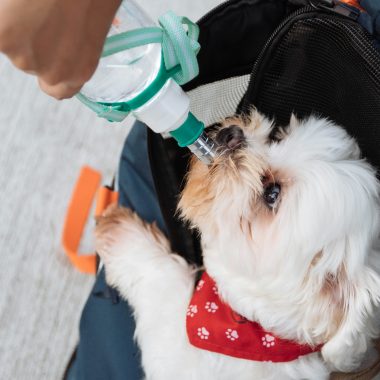
Always carry fresh water and a bowl during excursions. This simple practice prevents animals from drinking from questionable sources. Proper hydration reduces the temptation to seek alternative water.
Eliminate standing water around your property by emptying containers regularly. Improve drainage areas and refresh birdbaths frequently to disrupt mosquito breeding cycles.
Special Considerations for Seasonal Outdoor Challenges
Seasonal changes transform familiar environments, introducing new safety considerations for animal companions. Different times of year present distinct challenges that require specific awareness and prevention strategies.
Fall Hazards: Acorns and Outdoor Debris
Autumn brings acorns scattered beneath oak trees, which contain tannins toxic to dogs. When consumed in quantity relative to size, these nuts cause gastrointestinal distress and potential organ damage over time.
Acorn season spans August through December, with peak dropping in September and October. Oak trees undergo “masting” every 2-5 years, producing exceptionally large crops covering yard areas.
Practical fall safety measures include frequent area monitoring and leash use near oak trees. Train “leave it” commands and promptly remove acorn accumulations from parts of the yard where dogs spend time.
Spring Cleanup: Clearing Winter Runoff and Debris
Spring reveals hazards from winter snow melt and storms. Debris including broken glass, sharp metal, and fallen branches can injure dogs exploring yards after cold months indoors.
Winter runoff creates temporary standing water in low yard areas. This combines seasonal flooding with disease risks from contaminated water sources.
Seasonal weather and time gradually compromise fencing and enclosures. Winter freeze-thaw cycles create gaps, loose boards, and weakened parts that enable escapes.
Yards often harbor wildlife that sheltered during winter. Raccoons, skunks, and snakes may still be present when dogs resume outdoor time, creating encounter risks.
Establish seasonal inspection routines during transitional periods. Systematically check all parts of your outdoor area for new dangers specific to that time of year.
Action Steps for Preventing and Addressing Outdoor Dangers
Creating a protected space requires regular inspection and targeted prevention strategies. Dog owners can transform their property into a safer environment through systematic approaches.
Establishing consistent routines dramatically reduces exposure to common threats. This proactive mindset helps prevent emergencies before they occur.
Practical Tips for Pet-Proofing Your Yard
Conduct weekly walks through your entire backyard area. Look for toxic plants, standing water, and debris accumulation.
Remove dog waste daily to prevent parasite transmission. This simple habit also discourages wildlife from entering your space.
Choose pet-safe lawn treatments and follow application instructions carefully. Keep dogs indoors until chemicals completely dry.
| Preventive Yard Maintenance | Frequency | Emergency Response Actions |
|---|---|---|
| Inspect fencing and gates | Monthly | Contact vet immediately for toxin ingestion |
| Remove standing water sources | Weekly | Identify substance consumed if possible |
| Clear debris from garden beds | After storms | Do not induce vomiting unless instructed |
When to Consult a Veterinarian
Schedule regular check-ups for preventive care and parasite screening. Discuss region-specific threats during these visits.
Seek immediate veterinary treatment for severe vomiting, diarrhea, or breathing difficulties. Quick action significantly improves outcomes.
Keep eye on your dog’s behavior after yard time. Note any changes in appetite or energy levels that might indicate exposure to toxins.
Conclusion
Building a secure environment for your animal companion involves continuous learning and adaptation. While exploration provides essential benefits for your pet, responsible owners must balance enjoyment with awareness of environmental risks.
The comprehensive list of potential issues covered represents manageable concerns when applying proper safety principles. Proactive measures like yard assessment and behavioral monitoring create safer spaces without limiting freedom.
Regular veterinary care forms the foundation for confident adventures with your dogs. This partnership ensures prompt treatment when health issues arise.
Quality gear enhances protection during activities beyond the home environment. Prepared owners can provide enriching experiences while safeguarding their pets’ wellbeing.