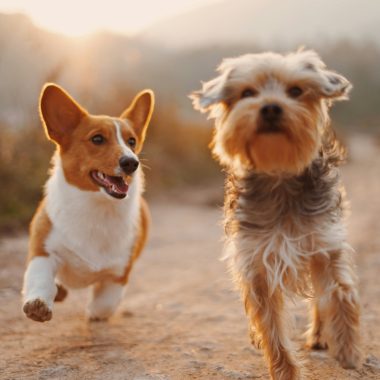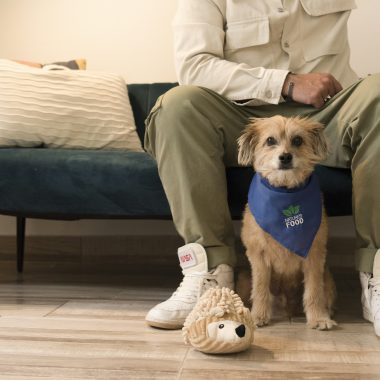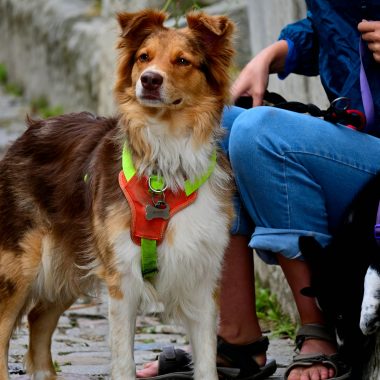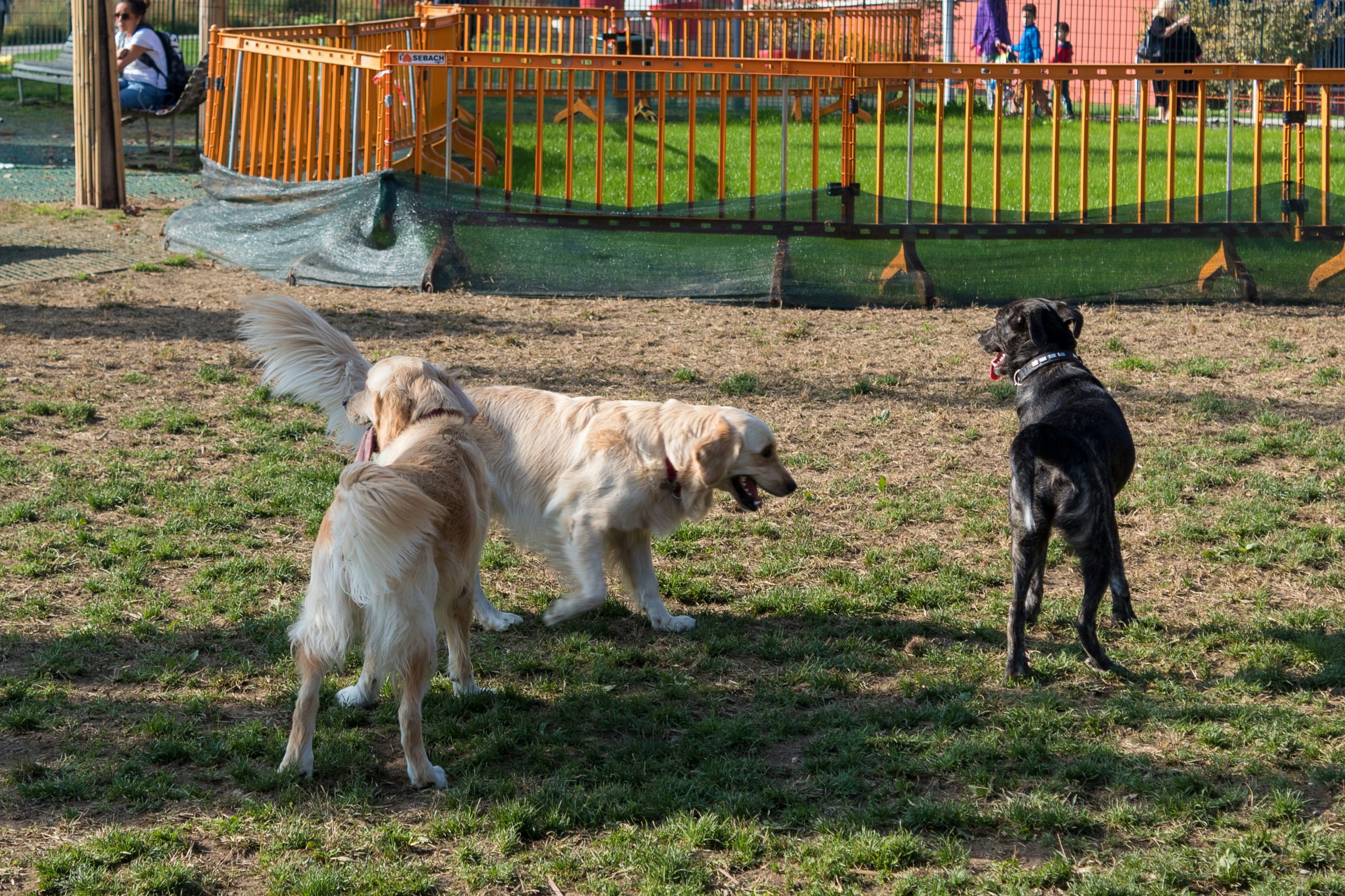
Dog parks are special community spaces designed for our canine companions. These fenced areas allow dogs to run, play, and socialize off-leash in a supervised setting. They often feature amenities like water stations and shaded spots.
These parks offer a fantastic resource for pet owners in urban and suburban areas. They provide a secure environment for healthy exercise and interaction with other dogs. However, a successful outing depends on more than just showing up.
Choosing the right moment is crucial for a positive experience. Factors like crowd size, weather, and your own dog’s temperament play a big role. Proper preparation and understanding park etiquette are also key.
This guide will help you navigate these considerations. We cover everything from identifying ideal conditions to reading canine body language. Our goal is to ensure every visit is rewarding for both you and your pet.
Key Takeaways
- Dog parks provide controlled, off-leash environments for canine exercise and socialization.
- Strategic timing helps avoid overcrowding and ensures a more pleasant experience.
- A dog’s age, vaccination status, and temperament are critical factors for a successful visit.
- Active owner supervision and knowledge of park rules are essential for safety.
- Understanding canine body language helps prevent conflicts and promotes positive interactions.
- Proper preparation, including bringing water and waste bags, contributes to a smooth outing.
Understanding Dog Park Safety and Etiquette
Community play zones for pets operate smoothly when everyone understands and follows the fundamental operating principles. These guidelines create a secure environment where canine companions can interact freely.
Establishing Basic Rules for a Safe Visit
Every recreational area has specific park rules designed to protect all participants. Vaccination records must be current to prevent disease transmission. Age restrictions often apply to ensure appropriate socialization.
Proper entry procedures using double-gate systems prevent escapes. Close the first gate completely before proceeding through the second. Remove leashes before entering the main play area to avoid tension.
| Rule Category | Requirement | Purpose | Enforcement |
|---|---|---|---|
| Health & Vaccinations | Current records required | Disease prevention | Owner responsibility |
| Entry Procedures | Double-gate protocol | Escape prevention | Mandatory for all |
| Leash Policy | Remove before main area | Reduce tension | Visual monitoring |
| Supervision | Active engagement | Conflict prevention | Constant requirement |
Observing Canine and Owner Behavior
Owners must remain actively engaged throughout the visit. Put away phones and maintain constant visual supervision. This attention helps prevent conflicts before they escalate.
Respectful conduct includes giving space to overwhelmed pets. Move away from entrance areas to allow smooth transitions. Intervene immediately if your companion exhibits problematic behavior.
Cleanup is non-negotiable. Always carry waste bags and dispose of materials properly. Recognize when your animal has reached their social limit and prepare to depart.
Safe Times to Visit the Dog Park for Happy, Healthy Play
Optimal scheduling for canine social spaces requires understanding peak usage patterns and weather considerations. Planning around these factors ensures a more pleasant experience for both pets and owners.
Identifying Off-Peak Hours and Ideal Weather Conditions
Early mornings before 9 AM and weekday afternoons typically see fewer visitors. These periods offer more space for comfortable exercise and interaction.
Visiting during quieter times reduces stress for sensitive animals. It also minimizes the risk of conflicts between pets. Owners can monitor their companions more effectively in less crowded settings.
Considering Temperature and Seasonal Factors
Moderate temperatures between 50-75°F create ideal conditions for physical activity. Morning visits before 10 AM work well during warmer months. Evening outings after 6 PM provide cooler alternatives.
Spring and autumn typically offer the most comfortable weather. Summer requires careful timing to avoid heat-related risks. Winter visits demand consideration of ground conditions and temperature extremes.
| Timing Factor | Optimal Conditions | Benefits | Considerations |
|---|---|---|---|
| Daily Schedule | Early morning, weekday afternoons | Reduced crowding, more space | Aligns with work schedules |
| Temperature Range | 50-75°F | Comfortable exercise conditions | Avoids overheating or chill risks |
| Seasonal Timing | Spring and autumn months | Moderate weather patterns | Consistent outdoor conditions |
| Weather Check | Clear forecasts, good air quality | Predictable outing experience | Prevents unexpected challenges |
Preparing for Your Dog Park Visit
Strategic packing and health verification create the foundation for successful recreational area excursions. Proper readiness ensures both safety and enjoyment during these social outings. Thoughtful preparation minimizes potential issues before they arise.
Essential Items to Bring
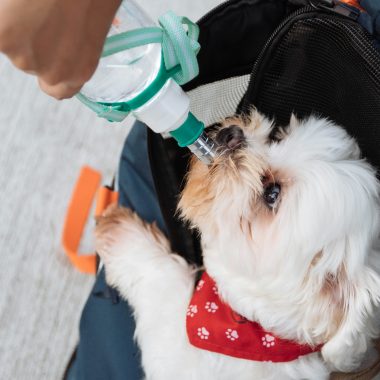
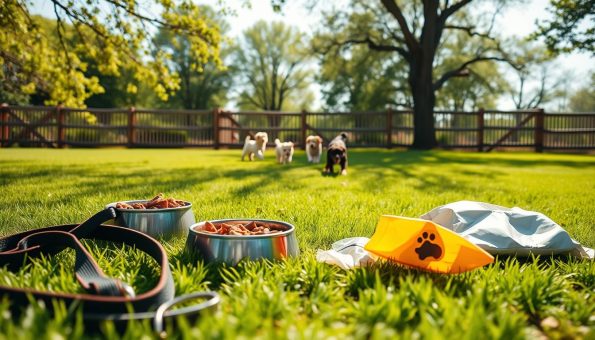
Hydration remains crucial for active animals. Carry a full water bottle and collapsible bowl for easy access. These supplies prevent dehydration during vigorous play sessions.
Always bring your own waste bags regardless of park provisions. Supplies can deplete quickly, leaving responsible owners unprepared. Immediate cleanup maintains cleanliness for all visitors.
A leash provides essential control during entry and exit procedures. It also helps manage your companion in unexpected situations. Many facilities require leashes in specific zones.
Basic first-aid kits address minor injuries from play. Include gauze, antiseptic wipes, and tweezers for debris removal. Keep veterinarian contact information readily available.
Additional useful items include towels for post-play cleanup and training treats. Treats reinforce positive behavior and recall commands. Convenient bag dispensers attach directly to leashes.
Pre-Visit Health and Vaccination Checklist
Current vaccination records protect all animals in shared spaces. Essential immunizations include rabies, DHPP, and Bordetella. Regional risks may require canine influenza coverage.
Maintain current flea, tick, and heartworm prevention medications. These treatments prevent parasite transmission between hosts. Consistent application ensures comprehensive protection.
Consider pet insurance for unexpected injuries or illnesses. Comprehensive policies prepare for various scenarios. Early enrollment often provides better coverage options.
Teaching and Reinforcing Basic Commands
Mastering fundamental obedience creates the foundation for successful off-leash interactions. Solid training enables owners to maintain control during chaotic moments and recall pets from potential conflicts.
Effective Recall and “Leave It” Techniques
Four essential commands form the core of safe recreation area visits. “Come” provides reliable recall from any distance. “Sit” and “stay” offer impulse control at gates.
The “leave it” cue redirects attention from problematic interactions. Practice these commands using progressive training methods. Begin in zero-distraction home environments.
Advance to low-distraction fenced yards before attempting parks. The backwards-running method builds enthusiastic recall. Say “come” while moving away, rewarding with treats.
Transitioning from Leash to Off-Leash Play
Never use recall to end enjoyable activities. This teaches pets that responding to commands stops fun. Instead, practice brief separations during play sessions.
Professional group classes provide excellent preparation. These settings teach focus despite other animals nearby. They simulate recreation area distractions safely.
Impulse control exercises prepare for various situations. Practice sitting before receiving attention or treats. This foundation ensures better behavior during exciting play.
Interpreting Dog Body Language at the Park
Canine communication relies heavily on physical signals rather than vocalizations. Understanding this body language helps prevent conflicts before they escalate. Observant owners can ensure positive interactions between pets.
Recognizing Signs of Comfortable Play
Healthy interactions feature reciprocal chasing where dogs alternate roles. Play bows signal friendly intent with front ends lowered. Exaggerated, bouncy movements distinguish fun from serious behavior.
Look for loose, wiggly body postures and relaxed open mouths. Soft eyes and neutral ear positions indicate comfort. Self-handicapping shows larger animals adjusting their play style for smaller companions.
Identifying Early Warning Signals of Aggression
Stiff body posture indicates rising tension. Dominant displays include standing tall over other animals. Hard stares and raised hackles signal potential aggression.
Watch for curled lips, low growls, or unusually silent interactions. Resource guarding behavior appears when animals hover over toys or water bowls. Blocking access to items or people requires immediate attention.
Intervene when play becomes one-sided or any dog shows stress signals. Trust your instincts if something feels uncomfortable. Removing your pet prevents potential conflicts.
Dog Park Safety Tips and Best Practices
Effective conflict prevention strategies begin with attentive owner engagement during social outings. Proper oversight ensures positive experiences for all participants in shared recreational spaces.
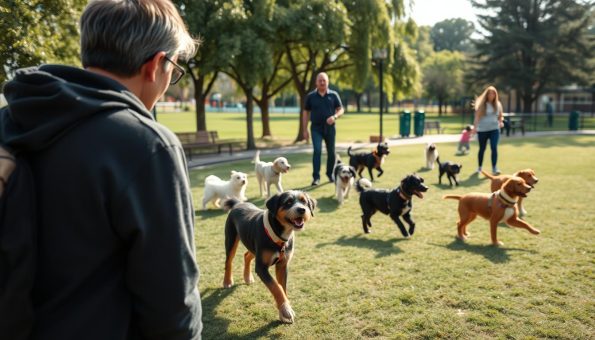
Maintaining Active Supervision
Continuous visual monitoring forms the foundation of reliable park safety. Put away mobile devices and avoid lengthy conversations that distract from your companion.
Stay alert to developing situations before they escalate. Recognize when animals become overtired, as fatigue often triggers behavioral changes. Watch for signs like increased roughness or reduced tolerance.
Managing Conflicts and Intervening When Needed
Immediate action prevents minor issues from becoming serious problems. Calmly call your pet away from escalating encounters. Use environmental barriers or water sprays to separate animals without physical contact.
Recognize aggressive behavior signals like hard staring or tense postures. Remove your companion immediately when play dynamics turn unhealthy. Always make sure to trust your instincts about concerning interactions.
| Intervention Method | Appropriate Use | Effectiveness | Risk Level |
|---|---|---|---|
| Verbal Recall | Early warning signs | High when trained | Low |
| Environmental Barrier | Moderate tension | Medium | Low |
| Water Distraction | Escalating conflicts | High | Medium |
| Complete Removal | Dangerous situations | Maximum | None |
Membership-based facilities often provide superior dog park safety standards. These locations typically verify vaccination records and maintain stricter behavior policies. They frequently ban animals demonstrating persistent aggressive behavior.
Always make sure your companion remains healthy before visits. Avoid bringing animals showing illness symptoms that could spread to others. This precaution protects the entire community’s well-being.
Special Considerations for Puppies and Small Dogs
Puppies and smaller breeds present unique considerations that demand careful planning before visiting off-leash facilities. These special small dogs require tailored approaches to ensure positive experiences.
Timing Your First Visit Based on Age
Young puppies under five months old face significant health risks at public dog parks. Their incomplete vaccination series leaves them vulnerable to serious diseases.
Wait until puppies reach five or six months old after completing their full vaccination protocol. Consider supervised play dates with known healthy dogs as safer alternatives.
Utilizing Designated Small Dog Areas
Most facilities offer separate areas specifically for small dogs. These spaces typically accommodate companions under 25-30 pounds.
Designated zones prevent accidental injuries and reduce intimidation factors. However, consider your individual small dog‘s temperament when choosing the appropriate area.
| Consideration | Small Dog Areas | General Areas | Key Benefit |
|---|---|---|---|
| Size Compatibility | Dogs under 30 pounds | All sizes welcome | Reduced injury risk |
| Play Style | Gentler interactions | Varied intensity | Better matching |
| Supervision Level | Moderate monitoring | High vigilance needed | Easier management |
| Social Comfort | Less intimidating | Potential overwhelm | Confidence building |
These specialized areas create safer environments where small dogs can interact comfortably with appropriately sized playmates.
Managing Weather and Seasonal Considerations
Extreme heat, cold, or rain can turn a fun excursion into a hazardous situation without proper preparation. Thoughtful planning ensures your pet stays comfortable and secure during outdoor activity.
Hot Weather Precautions and Hydration Tips
Schedule your dog park visits for early mornings or late evenings during summer. These cooler parts of the day prevent overheating.
Always test pavement temperature with your hand. If it’s too hot for you to hold for seven seconds, it will burn your dog‘s paws.
Watch for signs of heat stress like heavy panting or lethargy. Provide frequent shade breaks and limit intense exercise.
Bring extra water and offer it every 10-15 minutes. Encourage drinking even if your pet seems focused on play.
Strategies for Rainy or Cold-Day Visits
Cold weather requires shorter visits, especially for thin-coated breeds. Protective gear like sweaters can help.
Be aware of icy patches that increase slip risks. Frozen water bowls mean you must bring your own supply.
Rain creates muddy conditions that hide hazards. Surfaces become slippery, raising injury concerns during play.
For consistent exercise during poor weather, consider doggy daycare. These indoor facilities offer climate-controlled play groups.
| Weather Condition | Primary Risk | Key Precaution | Best Alternative |
|---|---|---|---|
| Hot & Sunny | Heatstroke, burned paws | Early/Late visits, extra water | Indoor doggy daycare |
| Cold & Icy | Hypothermia, injury from slips | Short duration, protective clothing | Active play at home |
| Rainy & Wet | Hidden hazards, slippery surfaces | Check for debris, shorten visit | Covered park areas or doggy daycare |
Enhancing Your Dog Park Experience
Quality infrastructure and positive social dynamics work together to elevate the overall park experience. Both elements contribute significantly to creating enjoyable environments for all participants.
Engaging with the Community and Other Owners
Building relationships with fellow pet guardians creates a supportive network. Learning each animal’s name and preferences fosters better understanding.
Effective communication involves sharing information about your companion’s play style. Being receptive to feedback helps prevent misunderstandings. This collaborative approach benefits everyone using these shared spaces.
| Community Activity | Primary Benefit | Impact Level | Participation Required |
|---|---|---|---|
| Regular Social Interaction | Enhanced Safety Awareness | High | Moderate |
| Resource Sharing | Improved Pet Care Access | Medium | Low |
| Cleanup Participation | Better Facility Maintenance | High | Periodic |
| Newcomer Welcoming | Stronger Community Culture | Medium | Occasional |
Incorporating Premium Park Furnishings
Well-designed amenities significantly improve functionality in these recreational areas. Durable equipment withstands heavy use while maintaining safety standards.
Strategic placement of shade structures and seating creates comfortable environments. Quality furnishings from specialized providers enhance the overall way people and pets experience these parks. They transform basic spaces into exceptional community assets.
Conclusion
Creating positive experiences in shared animal spaces requires a holistic approach combining preparation, awareness, and community responsibility. This integration ensures every outing benefits both your companion and others.
Make sure your dog meets health requirements before visiting any facility. Choose appropriate times to take your dog based on their temperament and local conditions. Understand your local dog park rules thoroughly.
Always pick up waste promptly to maintain cleanliness. Consider pet insurance to manage potential risk from interactions with another dog. These practices create welcoming environments for all pets.
Ultimately, well-planned visits to community parks provide valuable socialization and enrichment. They build confidence and strengthen bonds between owners and their companions.