Bringing a new animal into your life is an exciting event. The anticipation of welcoming a furry friend into your home is a powerful feeling. It is a chance to build a deep bond and create wonderful memories together.
This journey is full of rewarding moments. However, it also comes with serious responsibilities. Many people starting out underestimate the learning curve involved in providing a great life for their companion.
It is completely normal to face challenges. Every experienced owner was once a beginner. The key is to learn from potential missteps early on.
This guide offers professional advice to help you navigate this adventure. Our goal is to help you build a strong, happy relationship with your new family member from the very first day.
Key Takeaways
- Welcoming a new animal is exciting but requires serious commitment.
- Many first-time owners face a steep learning curve.
- Early mistakes can affect your companion’s health and happiness.
- Learning from common pitfalls saves time and frustration.
- Proper planning and education lead to a smoother transition.
- With the right care, you can provide a fulfilling life for your pet.
Understanding the Responsibilities of Pet Ownership
The journey of becoming a responsible animal guardian begins with honest self-assessment of your readiness for this significant life change. This thoughtful approach ensures you can provide the proper care your new companion deserves.
Assessing Your Lifestyle and Commitment
Your daily routine must accommodate a substantial time investment. Dogs require regular feeding, exercise, training sessions, and bonding moments.
Evaluate whether your current lifestyle matches a canine’s needs. Consider work hours, travel frequency, and social activities. A successful partnership depends on this alignment.
Evaluating Long-Term Needs and Benefits
Financial planning is crucial for responsible pet guardianship. Initial costs include adoption fees, supplies, and veterinary exams. Ongoing expenses cover food, routine check-ups, and potential emergencies.
This commitment often spans 10-15 years for most dog breeds. First-time owners should prepare for this long-term responsibility.
| Consideration | Daily Impact | Long-Term Requirement |
|---|---|---|
| Time Allocation | 2-3 hours for exercise and care | Consistent daily routine for years |
| Financial Investment | Food and daily supplies | Veterinary care and insurance |
| Living Space | Adequate room for movement | Stable housing situation |
| Family Dynamics | Introduction to household | Ongoing relationship management |
Proper preparation transforms this commitment into a rewarding experience for both you and your animal companion. The right match creates lasting happiness.
Impulse Adoption and the Importance of Research
The initial decision to welcome a companion animal is a critical crossroad that sets the stage for years to come. Acting on emotion alone, like falling for an adorable puppy, often leads to one of the most common pet ownership mistakes for beginners. A thoughtful approach is essential for a lasting, happy relationship.
Avoiding Impulsive Decisions
Choosing a new pet without research can create a difficult situation. An energetic dog may develop behavior issues in a calm home. This mismatch causes stress for everyone and sometimes results in the animal needing a new home.
Taking time to plan prevents these problems. It ensures your capabilities align with your future companion’s needs.
Choosing the Right Breed for Your Lifestyle
Extensive research is your most powerful tool. Learn about different breed temperaments, energy levels, and grooming needs. A high-energy dog like a Labrador Retriever needs lots of exercise.
If you have limited time at home, a cat or a smaller animal might be a better fit than a puppy that demands constant attention. Make sure you understand local leash laws and pet regulations too.
| Animal Type | Best For Lifestyle | Key Consideration |
|---|---|---|
| High-Energy Dog (e.g., Border Collie) | Active individuals/families with yards | Requires hours of daily exercise and mental stimulation |
| Low-Energy Dog (e.g., Bulldog) | Calmer homes, apartment living | Prone to certain health issues; needs climate control |
| Cat | People with busy schedules | More independent but still needs daily interaction |
| Small Caged Animal (e.g., Rabbit) | Limited space, quieter environments | Specific dietary and habitat requirements |
This careful planning lays a strong foundation. It helps you avoid common pet ownership mistakes for beginners and leads to a perfect match for your home.
Common Pet Ownership Mistakes for Beginners
A fundamental shift in perspective is often needed for new guardians to understand their animal’s true motivations. First-time owners typically bring intelligence and dedication to their new role. The challenge arises from human assumptions that don’t match how animals actually learn.
Identifying Typical Pitfalls
Many beginners misinterpret unwanted behavior as intentional disobedience. In reality, dogs operate from reinforcement history rather than complex emotions like guilt or spite.
When a dog jumps or barks excessively, the behavior simply works for them. New owners often accidentally reward these actions. Petting a jumping dog teaches them that jumping earns attention.
Another frequent misunderstanding involves expecting animals to “know better.” Behavioral issues are learning problems, not moral failures. Animals don’t grow out of patterns—they grow into them through repetition.
| Human Interpretation | Animal Reality | Resulting Issue |
|---|---|---|
| “My dog feels guilty for stealing food.” | The dog learned food is available when unattended. | Repeated food stealing becomes habitual. |
| “My cat is being spiteful by scratching furniture.” | The cat needs scratching surfaces and follows instinct. | Damage continues without proper alternatives. |
| “My puppy will grow out of biting.” | Biting is reinforced unless consistently redirected. | Mouthing behavior persists into adulthood. |
Recognizing these patterns early makes correction easier. Understanding animal psychology transforms the entire care experience. This knowledge helps create harmonious relationships with your pets.
Make sure you approach training with this updated perspective. These mistakes are normal learning steps for new pet guardians.
Proper Training and Socialization Techniques
Building a strong foundation for your companion starts with proper guidance. Many guardians underestimate how crucial early development is for long-term success.
Effective instruction prevents future behavioral challenges. It creates a confident, well-adjusted animal.
Using Positive Reinforcement Strategies
The first three months are critical for young animals. This window shapes their future reactions to new experiences.
Positive reinforcement builds trust while teaching desired actions. Reward-based methods focus on encouraging good behavior rather than punishing mistakes.
Quality socialization means controlled exposure to various stimuli. Introduce different sounds, surfaces, and people in calm settings.
Chaotic encounters can create fear instead of confidence. Focus on positive associations in new environments.
| Training Approach | Primary Focus | Long-Term Outcome |
|---|---|---|
| Positive Reinforcement | Rewarding desired actions | Confident, trusting companion |
| Early Socialization | Controlled exposure | Reduced anxiety in new situations |
| Obedience Classes | Structured learning | Reliable response to commands |
All dogs benefit from continued learning throughout their lives. Consistent training strengthens your bond and maintains good behavior.
Make sure your methods build confidence rather than fear. This approach creates a happy, well-mannered companion.
Ensuring Adequate Nutrition and Grooming
Nutritional choices and grooming habits directly impact your animal’s vitality and comfort throughout their life. These daily routines establish the foundation for long-term wellbeing and prevent many avoidable health concerns.
Choosing the Right Pet Food
Selecting appropriate food is crucial for your companion’s health. A quality diet supports energy levels, maintains ideal weight, and promotes longevity.
Consider your animal’s age, size, and activity level when choosing their food. Avoid table scraps that may harm their digestive system. Consult your veterinarian about the best nutritional plan.
Proper care includes monitoring your pet‘s response to their diet. Look for signs of good health like shiny coat and consistent energy.
Establishing a Regular Grooming Routine
Regular grooming maintains your companion’s comfort and prevents issues. Different breeds require varying levels of care for their coat and skin.
Essential grooming tasks include brushing, nails trimming, and dental care. Overgrown nails can cause mobility problems for your dog.
Start grooming routines early to build positive associations. Make sure your pets become comfortable with brushing and handling. Consistent grooming prevents matting and skin infections.
Establish a schedule that works for your dog‘s specific needs. Regular maintenance keeps your pet looking and feeling their best.
The Necessity of Regular Veterinary Care
Proactive healthcare forms the cornerstone of responsible animal companionship. Many guardians wait until their animal shows signs of sickness before scheduling veterinary care. This approach misses crucial opportunities for early detection and prevention.
Establishing a relationship with a trusted veterinarian ensures continuity of care. Your veterinarian becomes familiar with your companion’s baseline health. This knowledge helps identify subtle changes over time.
Preventative Care and Routine Check-Ups
Annual visits involve comprehensive physical examinations. Your veterinarian checks vital signs, weight, teeth, lungs, and heart. Diagnostic tests may be recommended based on findings.
These routine visits include essential vaccinations and parasite prevention discussions. Protection against heartworm, fleas, and ticks is vital for your dog‘s wellbeing. Make sure you follow your veterinarian‘s recommended schedule.
| Care Type | Frequency | Primary Benefits |
|---|---|---|
| Preventative Visits | Annual (biannual for seniors) | Early detection, vaccine updates, baseline monitoring |
| Emergency Care | As needed for acute issues | Immediate treatment for injuries or sudden illness |
| Dental Care | Annual assessment | Prevents periodontal disease and systemic health issues |
As animals age, these visits become increasingly important for managing age-related health issues. Regular veterinary care represents your best investment in your companion’s long-term vitality and happiness.
Providing Sufficient Exercise and Mental Stimulation
A tired dog is a happy dog, but achieving this state requires more than just a quick walk around the block. Underestimating your companion’s need for daily exercise and mental challenges is a frequent oversight. This can lead to weight gain, anxiety, and destructive behavior.
Daily Activity Routines for Physical Health
Dogs generally need at least 30 minutes of vigorous activity daily. This can include brisk walks, running, or swimming. High-energy breeds like Labradors need significantly more.
Without this outlet, pent-up energy manifests in unwanted ways. Chewing, digging, and excessive barking are common signs of boredom.
Mental exercise is equally vital for overall health. Interactive toys and short training sessions engage their minds. This mental activity is a powerful tool for energy release.
| Breed Energy Level | Daily Exercise Minimum | Recommended Activities |
|---|---|---|
| High (e.g., Border Collie) | 60-90+ minutes | Running, agility, fetch, hiking |
| Medium (e.g., Beagle) | 45-60 minutes | Brisk walks, playtime, jogging |
| Low (e.g., Bulldog) | 20-30 minutes | Short walks, gentle play, indoor games |
Incorporate structured playtime into your routine. Use puzzle feeders and rotate toys to maintain interest. Consistent training practice also provides excellent mental exercise.
Dedicated time for these activities strengthens your bond. It creates a well-behaved and content companion. Making this a priority prevents many potential issues.
Avoiding Overfeeding and Managing Diet
The bowl of food you place before your animal friend carries more significance than many realize. What seems like harmless extra treats or table scraps can accumulate into a serious health concern. Understanding proper nutritional balance is essential for your companion’s wellbeing.
Understanding Portion Control and Nutritional Balance
Canine obesity affects 56% of dogs in the United States according to recent studies. This condition stems from consistent overfeeding and excessive treats. Many guardians underestimate how quickly extra calories contribute to weight gain.
Excess weight creates numerous health issues for your dog. These include joint problems, diabetes, and reduced life expectancy. Maintaining a healthy weight significantly lowers disease risks.
Follow the feeding guidelines on quality food packaging as your starting point. Measure portions accurately using a standard cup. Adjust amounts based on your pet‘s activity level and metabolism.
| Feeding Approach | Potential Outcome | Recommended Strategy |
|---|---|---|
| Free Feeding (food always available) | Higher obesity risk, difficult portion control | Scheduled meals with measured amounts |
| Table Scraps as Regular Diet | Nutritional imbalance, weight gain | High-quality commercial or veterinary diet |
| Excessive Treats (>10% daily calories) | Rapid weight accumulation | Healthy alternatives, small portions |
| Inconsistent Feeding Times | Digestive issues, behavioral problems | Regular schedule, twice daily feeding |
Choose your pet‘s diet based on nutritional value rather than price alone. Look for life-stage appropriate formulas with quality ingredients. Treats should never exceed 10% of daily caloric intake.
Make sure you consult your veterinarian if your companion needs weight management. They can create a safe plan tailored to your dog‘s specific needs. Proper care includes monitoring body condition and adjusting food amounts accordingly.
Planning for Emergencies and Contingencies
When unexpected situations arise, having a well-structured contingency plan can make all the difference for your companion’s safety. Many guardians focus on daily routines but neglect this essential preparation.
Emergencies can happen at any moment. Natural disasters, sudden illness, or accidents require immediate action. Being ready ensures your animal‘s wellbeing during crises.
Creating a Pet First-Aid Kit
Assemble a comprehensive emergency kit for your dog. Include essential supplies that would sustain them during evacuation.
Your kit should contain food, water, medications, and an extra leash. Add comfort things like blankets and favorite toys. Keep contact information for emergency services readily available.
Locating Emergency Veterinary Services
Identify 24-hour veterinary clinics before you need them. Research their locations, hours, and services offered.
This preparation saves valuable time during critical situations. Share this information with family members or potential caregivers.
| Preparedness Area | Essential Components | Frequency of Review |
|---|---|---|
| First-Aid Kit | Food, medications, leash, documents | Quarterly updates |
| Emergency Contacts | Vet clinics, pet sitters, family members | Bi-annual verification |
| Identification | Microchip, tags, recent photos | Annual confirmation |
Microchipping provides a permanent identification way for your pet. This technology significantly increases reunion chances if your companion gets lost.
Consider insurance to manage unexpected medical costs. Make sure your emergency plan covers various scenarios that could affect your home life.
Tailyan’s Adventure Gear: Enhancing Outdoor Safety and Comfort
Quality gear transforms ordinary walks into extraordinary adventures for both you and your animal companion. Tailyan specializes in creating durable outdoor products designed specifically for active families who love exploring nature with their furry friends.
Using High-Quality Outdoor Products for Pet Adventures
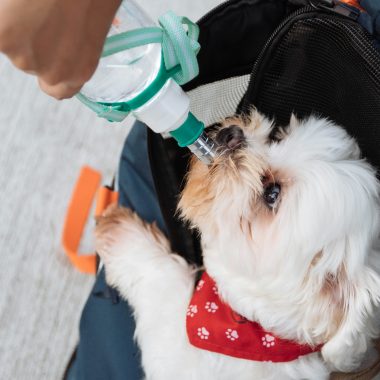
Outdoor excursions require specialized equipment that prioritizes safety and comfort. Tailyan’s comprehensive range includes adventure backpacks for safe transportation during hikes. These products ensure smaller companions travel securely while enjoying the scenery.
The brand offers pet-friendly tents and camping accessories that make family trips inclusive. Everyone can experience the joy of outdoor adventures together without compromising on comfort. Thoughtful design addresses unique needs during activities.
From hydration solutions to protective gear, each accessory enhances bonding experiences. Durable construction withstands rigorous outdoor use, providing long-term value. This is the best way to create unforgettable memories while exploring new environments.
Proper equipment ensures your companion stays safe and comfortable during adventures. Tailyan’s commitment to quality means every product delivers reliability for active families. These things make outdoor time enjoyable for everyone involved.
Conclusion
The bond between humans and their animal friends flourishes with proper understanding and commitment. Being a responsible guardian requires careful planning and ongoing education to meet your companion’s evolving needs throughout their life.
Many first-time owners face similar challenges. These issues don’t stem from laziness or lack of love. They often arise from natural assumptions people make when new to animal behavior.
Understanding how your dog thinks and learns makes everything easier. Proper training and consistent care prevent serious problems. This knowledge creates a smoother, happier relationship from day one.
With dedication and the right approach, your furry companion will bring immeasurable joy. They become cherished family members who enrich your life for years to come.