As daylight hours shorten throughout the year, many animal companions need evening outings. Owners face new challenges when visibility decreases after sunset. This creates unique concerns for both canine and feline friends.
Proper preparation becomes essential for these after-dark adventures. Quality outdoor gear and awareness can transform potentially risky situations into enjoyable experiences. Understanding potential hazards is the first step toward effective protection.
This guide offers valuable information for caring owners. It addresses different considerations for various types of animal companions. Whether on leashed walks or free exploration, every situation requires thoughtful planning.
With the right approach, evening activities can remain safe and memorable. Owners gain confidence knowing they’ve taken appropriate measures. Peace of mind comes from being well-prepared for any scenario.
Key Takeaways
- Evening hours present unique visibility challenges for animal companions
- Different types of pets require specific safety considerations
- Proper preparation transforms risky situations into enjoyable experiences
- Quality outdoor equipment significantly enhances protection after dark
- Awareness of potential hazards is the foundation of effective safety measures
- Both structured walks and free roaming need thoughtful planning
- Confidence comes from implementing comprehensive protective strategies
Preparing for a Safe Nighttime Pet Adventure
Strategic planning before heading out after sunset ensures both you and your canine friend can navigate the darkness with confidence. Proper preparation transforms potentially risky situations into enjoyable experiences for everyone involved.
Gear Checklist and Pre-Walk Preparations
Create a comprehensive equipment list before every evening excursion. Your essential gear should include a fully charged mobile device. This allows quick communication if assistance becomes necessary.
Check weather conditions before departure. Rain or fog significantly reduces visibility during these outings. Ensure your animal companion responds well to basic commands.
Proper rest beforehand helps maintain control in low-light situations. These simple preparatory tips make each adventure more secure.
Planning Routes and Assessing the Environment
Choose familiar paths rather than exploring new territory after dark. Well-known walking routes reduce unexpected encounters and navigation challenges.
Survey your intended path during daylight hours first. Note street lighting quality and potential wildlife areas. Identify well-lit streets and safe zones for your dog to exercise.
Consider bringing a companion along for additional security. Another person provides extra oversight of your canine during exploration. Strategic timing avoids the darkest hours when visibility reaches its minimum.
Best Practices for Night Safety for Pets
The transition from daylight to darkness significantly alters the dynamics of walking and exercising with canine friends. Proper protocols become essential for maintaining security during these low-light periods.
Understanding Visibility Challenges and Low-Light Risks
Reduced visibility affects both animal companions and motorists. Drivers experience limited sightlines during evening hours and complete darkness.
Weather conditions like fog or rain further complicate these situations. Dawn and dusk present similar challenges to full nighttime conditions. Always consider how vehicle operators perceive movement near roadways.
Securing Your Pet with Proper Collars and Leashes
Selecting appropriate equipment ensures your dog remains under control. Well-fitted collars prevent accidental escapes if animals become startled.
Consistent leash use maintains proximity when visibility diminishes. Even trained dogs may react unpredictably to unfamiliar stimuli after dark. Keep your dog securely restrained until reaching enclosed areas.
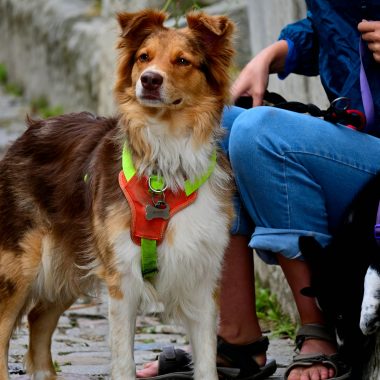
Harness systems offer additional control for energetic companions. These tools provide backup security alongside standard collars during outdoor excursions.
Choosing the Right Reflective Gear and Accessories
Selecting appropriate reflective accessories significantly improves detection during low-light conditions. The right equipment creates multiple visibility layers that protect animal companions during outdoor activities.
Reflective Outfits and LED Collars for Enhanced Visibility
High-quality reflective gear should include jackets, sweaters, and specialized collars. These items feature reflective materials that catch vehicle headlights effectively.
LED technology offers advanced visibility solutions for animal companions. Light-up dog collar options provide 360-degree illumination around your pet’s neck area. This creates constant visibility from all angles.
Bright fluorescent colors combined with reflective fabrics maximize detection distance. Choose outfits that cover larger body areas rather than relying solely on collar solutions.
Proper fit ensures comfort while maintaining security. Test each piece of gear to confirm it stays securely in place during movement.
High-Quality Outdoor Products from Tailyan
Tailyan designs premium outdoor equipment with dual purpose functionality. Their products combine visibility enhancement with weather protection features.
Pet owners gain access to innovative gear like reflective jackets that provide warmth and light reflection. The company focuses on durability and comfort for extended wear.
Tailyan’s adventure accessories include specialized backpacks and tents designed for animal companions. Each product serves the specific purpose of enhancing outdoor experiences.
Their comprehensive approach gives pet lovers access to reliable equipment for various activities. The gear transforms potentially challenging situations into enjoyable adventures.
Navigating the Night: Safety Tips for After-Dark Walks
Evening strolls with your canine companion require special attention to visibility for all parties involved. Proper lighting choices and situational awareness create a secure environment for these excursions.
Staying Visible to Drivers and Other Road Users
Carrying adequate illumination significantly enhances detection during low-light conditions. A handheld flashlight works, but hands-free options like headlamps or belt-clip lights offer better leash control.
Flashing patterns catch attention more effectively than steady beams. Always bring a reliable torch or headlamp on every evening walk. This ensures you can see potential hazards while remaining visible to traffic.
Avoid headphones during these outings. Your ears need to detect approaching cyclists or wildlife sounds. Staying alert to auditory cues complements visual awareness in dimly lit areas.
Choose well-lit, populated routes over secluded paths. Street lighting and slower vehicle movement provide additional security. Walking facing traffic maximizes visibility when sidewalks are unavailable.
Consider bringing a friend along for these excursions. Groups are more noticeable to drivers. Timing walks during twilight hours takes advantage of residual natural light.
Additional Precautions for a Secure Outdoor Experience
Wildlife encounters represent significant challenges that require specific preventive approaches. These situations demand immediate action and careful planning to protect your animal companions.
Avoiding Wildlife Encounters and Other Hazards
Maintain leash control when walking your dog in areas with active wildlife. Coyotes, raccoons, and skunks present real dangers during evening hours. Choose well-lit routes rather than secluded wooded spots.
Immediately alter your path if you spot potential wildlife hazards. This simple precaution prevents dangerous contact between animals. Environmental hazards like uneven terrain become harder to see after sunset.
GPS tracking tags offer real-time location monitoring for both dogs and cats. These devices connect to smartphone apps for constant access to your pet’s whereabouts. Ensure the tags fit comfortably without being cumbersome.
Microchips provide permanent identification for your animal companions. Keep registration details current throughout the year. This legal requirement helps authorities reunite you with lost pets.
Establish consistent feeding routines for cats to encourage timely returns. Call them inside before darkness falls using positive reinforcement. Regular treats create positive associations with coming home.
Inspect cat flaps regularly to ensure proper access. Verify that microchip-activated doors sync correctly with collar tags. Natural mosquito repellents protect during dawn and dusk walks when insects peak.
Conclusion
Implementing comprehensive protective measures transforms evening excursions into secure bonding experiences for animal companions and their owners. These essential safety tips create a framework that benefits both dog and cat companions throughout the changing seasons.
Proper preparation with equipment like a reliable phone and bright torch serves the important purpose of immediate emergency access. Consistency in applying these measures builds habits that become second nature over time, significantly reducing risks during after-dark walks.
This ongoing commitment provides devoted owners with genuine peace of mind, knowing they’ve taken reasonable steps to protect their cherished pets. With proper precautions, evening activities can be just as enjoyable as daylight adventures, creating memorable experiences year-round.