Many animal lovers enjoy sharing outdoor experiences with their companions. However, wildlife encounters present real challenges for domestic animals. Urban, suburban, and rural areas all host various wild creatures.
Experts confirm that unprotected pets face consistent threats from local fauna. Raccoons, coyotes, foxes, and birds of prey often view domestic animals as potential targets. Understanding this dynamic is crucial for responsible ownership.
Cats, miniature dogs, rabbits, poultry, and other household creatures require vigilant protection. Creating secure environments significantly reduces potential harm. Proper precautions transform outdoor adventures into positive memories.
Tailyan specializes in outdoor gear designed with animal well-being in mind. Our products focus on durability and comfort during excursions. We support safe exploration for you and your companion animals.
This guide offers practical solutions from wildlife specialists and experienced owners. You’ll learn to identify risks and implement effective protective measures. Our evidence-based approach helps create safer outdoor experiences.
Key Takeaways
- Wildlife threats exist in all environments, from cities to countryside areas
- Domestic animals like rabbits, cats, and chickens face predation risks
- Understanding animal behavior helps prevent dangerous encounters
- Proper equipment and environments significantly improve protection
- Vigilance during high-risk periods is essential for animal security
- Quality outdoor gear supports safer adventures with companion animals
- Evidence-based strategies provide the most reliable protection methods
Understanding the Risks: Predators and Small Pets
The boundary between wild and domestic spaces is more porous than commonly assumed. Urban and suburban environments support diverse wildlife populations that regularly interact with residential areas.
Common Predators in Urban and Suburban Areas
Coyotes have become permanent residents in many metropolitan regions. These adaptable predators hunt primarily during dawn and dusk hours. Raccoons represent the most frequent predator problem due to their intelligence and dexterity.
Birds of prey, including Great Horned Owls and red-tailed hawks, pose aerial threats. Foxes and weasels complete the list of common urban predators. Each species presents unique challenges for domestic animal protection.
| Predator | Primary Activity | Key Characteristics | Common Targets |
|---|---|---|---|
| Coyotes | Dawn/Dusk | Urban adapters, protective during denning season | Animals under 20 pounds |
| Raccoons | Nocturnal | Intelligent, cooperative, dexterous paws | Poultry, confined animals |
| Owls | Nocturnal | Powerful grip, silent flight | Small outdoor animals |
| Hawks | Daylight | Aerial hunters, strong vision | Exposed yard animals |
Behavior Patterns and Threat Levels
Coyote behavior intensifies during spring denning season. Parent animals become more protective and may venture closer to homes. Raccoons demonstrate remarkable problem-solving abilities when accessing enclosures.
Avian predators strike quickly from above during daylight or twilight hours. Understanding these patterns helps owners anticipate potential encounters. Risk levels vary based on animal size, location, and time of day.
Even larger domestic animals face threats during food-related confrontations. Comprehensive awareness of predator behaviors forms the foundation for effective protection strategies in all residential areas.
Utilizing Tailyan’s Outdoor Products for Enhanced Safety
Tailyan’s innovative solutions address the unique challenges pet owners face in natural settings. Our comprehensive product line enables secure outdoor experiences with dogs, cats, and other domestic animals.
Pet Backpacks, Tents, and Adventure Accessories
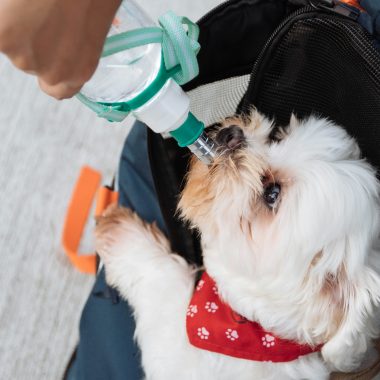
Pet backpacks provide complete control during hikes through areas with potential wildlife encounters. These carriers offer enclosed space during dawn and dusk when animal activity peaks.
Tents and portable enclosures create protected areas during camping trips. They prevent unsupervised access by local wildlife to your companion animals.
Our adventure accessories feature durable construction that withstands outdoor conditions. This quality ensures animal comfort and security throughout extended excursions.
| Product Type | Primary Benefit | Ideal For | Key Feature |
|---|---|---|---|
| Pet Backpacks | Mobile Protection | Hiking with cats and small dogs | Ventilated compartments |
| Portable Tents | Stationary Security | Camping and picnics | Weather-resistant materials |
| Adventure Gear | Comfort & Durability | Extended outdoor trips | Ergonomic designs |
Proper equipment allows constant visual supervision of your animals. This practice represents a critical recommendation from wildlife specialists.
Tailyan’s philosophy focuses on creating unforgettable outdoor memories. Our products complement other protective measures with reliable, portable solutions.
Implementing Predator Safety for Small Pets in Your Outdoor Setup
The foundation of secure outdoor environments lies in designing structures that prevent external access rather than just internal containment. This proactive approach transforms vulnerable areas into fortified spaces.
Choosing Durable and Secure Equipment
Material selection forms the cornerstone of effective protection. Heavy-gauge wire or solid roofing materials provide reliable coverage from above. Flimsy tarps offer false security against determined wildlife.
Perimeter security requires specific attention to ground-level threats. Hardware cloth with 1/2-inch or smaller openings prevents digging attempts. This material creates an impenetrable barrier around the bottom four feet.
Latching mechanisms demand careful consideration. Standard latches prove insufficient against intelligent animals. Padlocks or carabiner clips provide the necessary security for enclosure doors.
Proper implementation balances animal comfort with protection. Enclosures must offer adequate movement space while eliminating weak points. Regular assessments identify potential vulnerabilities before problems occur.
Quality equipment represents a wise long-term investment. Durable materials withstand weather conditions and persistent attempts at entry. This approach ensures peaceful outdoor experiences for companion animals.
DIY Tips and Tricks for Predator-Proofing Your Pet’s Environment
Hands-on enclosure modifications offer practical solutions for preventing wildlife encounters. Many owners successfully implement custom protection measures using accessible materials and techniques.
Securing Enclosures with Hardware Cloth and Trenching
Ground-level protection begins with hardware cloth installation. Cover the entire enclosure bottom, overlapping walls, then bury under dirt. This prevents digging attempts by various wildlife.
When full bottom coverage isn’t feasible, trenching provides excellent alternatives. Dig a perimeter trench two feet deep. Bury wire in an L-shape configuration to block raccoons and other digging animals.
Proper wire gauge selection is crucial. Use 1/2-inch maximum openings to prevent reaching through. Smaller 1/4-inch gauge excludes rodents entirely from enclosures.
Innovative DIY Solutions Adopted by Pet Owners
Electric fencing represents an innovative approach for free-range setups. Wildlife avoids climbing over hot wire systems. Domestic animals quickly learn to avoid contact during outdoor time.
Solar-powered options provide eco-friendly protection without ongoing energy costs. These systems effectively deter wildlife while allowing daytime freedom.
Catios offer dual benefits for feline companions and local birds. These enclosed spaces protect cats from threats while preventing wildlife interactions. Proper construction ensures complete security.
Solid wood bottoms extending two feet underground provide absolute digging protection. This method works well for permanent enclosures housing various companion animals.
Practical Precautions and Timing for Outdoor Adventures
Strategic timing transforms outdoor excursions into secure experiences for companion animals. Understanding wildlife activity patterns enables owners to schedule activities during lower-risk periods. This approach significantly reduces potential encounters.
Safeguarding During Dusk, Dawn, and Nighttime Protocols
Nighttime housing represents the most critical protection measure. All domestic animals require secure indoor enclosures after dark. This practice aligns with natural instincts of potential prey species.
Coyotes demonstrate peak activity during specific windows. The hour before sunset and after sunrise present the highest risk times. Planning walks outside these periods minimizes exposure.
Dusk brings additional challenges from avian hunters. Owls become active during twilight hours, joining daytime hawks as threats. This “raptor time” requires extra vigilance for cats and small dogs.
| Time Period | Primary Threats | Recommended Action | Risk Level |
|---|---|---|---|
| Night (Full dark) | Coyotes, owls, raccoons | Indoor housing mandatory | Extreme |
| Dusk/Dawn | Coyotes, owls | Supervised outdoor time only | High |
| Daylight | Hawks, foxes | Constant visual supervision | Moderate |
Never leave dogs unattended in yards, even with fencing. Stay present during potty breaks and maintain leash control during walks. This allows quick retrieval if wildlife appears.
Avoid closed-ear headphones to maintain environmental awareness. Use hands-free devices while constantly scanning surroundings. Always keep eyes on any coyotes encountered without turning away.
Community cooperation eliminates food sources that attract wildlife. Secure trash, remove pet food, and clean picnic areas promptly. Coyotes associating people with meals become bolder near homes.
Humane hazing techniques teach wildlife to avoid residential streets. Appear large, make noise, and use umbrellas during encounters. These methods reinforce natural fear of people without harming animals.
Protective gear like spiked vests provides additional defense for vulnerable companions. These products deter bites and talon attacks during necessary outdoor time.
Group walking offers enhanced protection through multiple sets of eyes. Predators rarely approach several people together. This simple strategy significantly improves security.
Conclusion
Protecting companion animals requires consistent attention throughout the year. The essential points covered include understanding local wildlife threats and implementing secure housing solutions.
Quality outdoor equipment provides reliable protection during adventures. Vigilant supervision remains crucial for animal security in all environments.
This responsibility represents an ongoing commitment rather than a single project. Proper measures create safe spaces where animals can thrive without constant fear.
Tailyan’s products support this balance between freedom and protection. Our gear enables memorable outdoor experiences while maintaining top priority security.
By implementing these strategies, owners provide their animals with enriching outdoor access. This approach ensures peaceful coexistence with local wildlife for years to come.