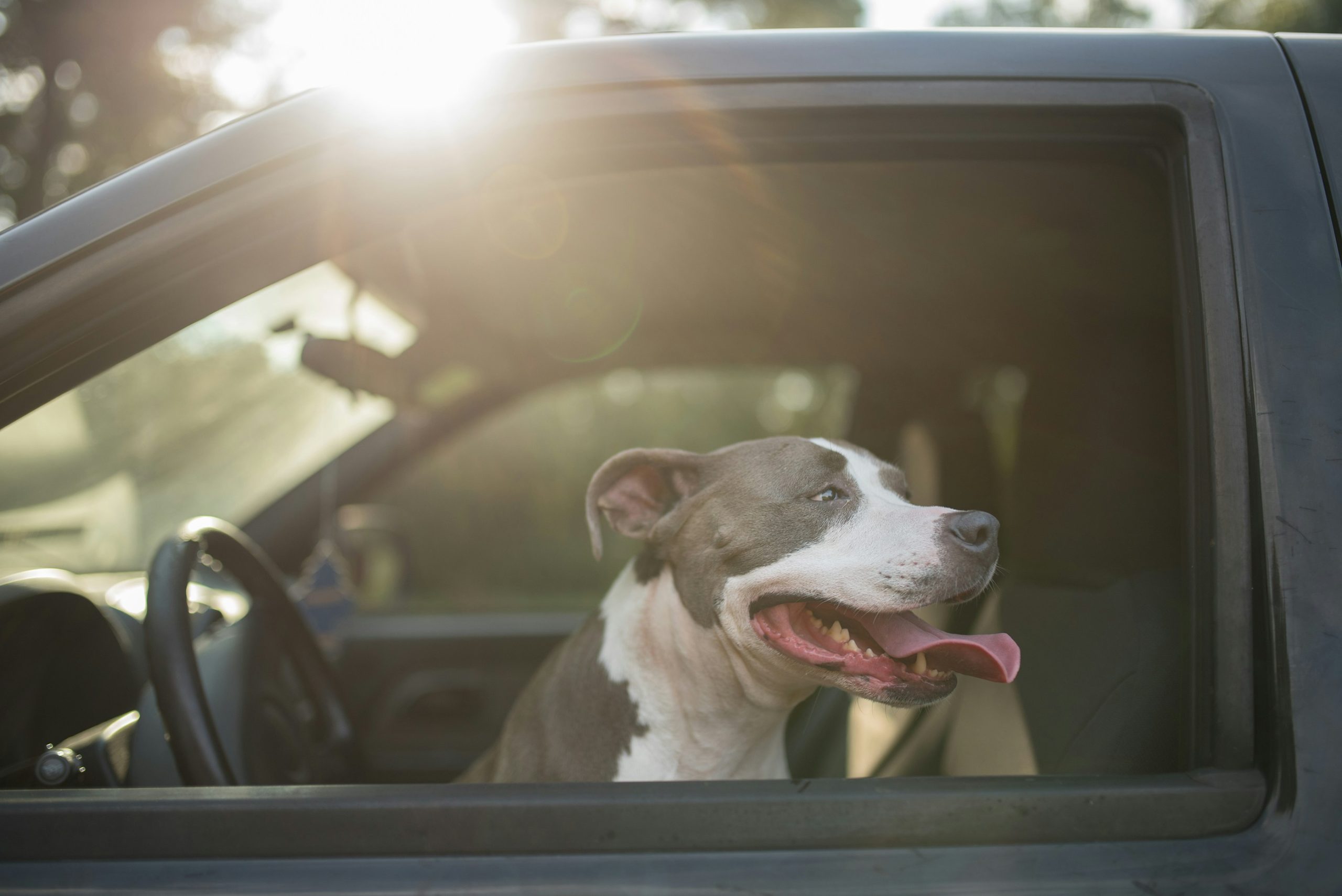
Bringing your furry friend along on road trips creates wonderful memories. However, proper preparation makes the difference between a stressful journey and an enjoyable adventure for everyone involved.
Simply loading your animal companion into the vehicle isn’t enough for longer trips. Comprehensive planning ensures protection throughout the journey. This applies to short commutes and cross-country vacations alike.
This guide covers essential safety measures from restraint systems to emergency kits. We’ll explore how to manage anxiety and handle various road conditions. The advice comes from veterinary recommendations and experienced owners.
Before starting your engine, ensure proper identification through microchipping. Your dog should wear a collar with current contact information. This foundation protects your four-legged family member if separation occurs.
Tailyan’s outdoor products complement these tips with safety-focused designs. Their adventure accessories prioritize comfort and durability for every excursion. Quality gear helps transform challenging travel into unforgettable experiences.
Key Takeaways
- Proper preparation transforms car journeys from stressful to enjoyable for pets and owners
- Identification through microchipping and collar tags provides essential protection
- Safety measures apply to both short commutes and extended road trips
- Quality restraint systems and emergency kits are fundamental requirements
- Professional guidelines help manage animal anxiety during vehicle travel
- Tailyan’s adventure accessories complement safety protocols with comfort-focused design
- Veterinary recommendations and owner experience provide reliable safety strategies
Why Pet Safety on Car Travel Matters
Road excursions with canine or feline companions involve potential dangers that extend beyond typical driving concerns. Understanding these risks helps owners create effective protection strategies.
Understanding the Risks on the Road
Unrestrained animals become dangerous projectiles during sudden stops. Even minor collisions at low speeds can cause serious harm. The force multiplies an animal’s body weight dramatically.
Statistical data shows accidents occur despite careful driving. Poor road conditions and other drivers’ actions create unpredictable situations. These scenarios put unprotected companions at significant risk.
Allowing heads outside windows introduces multiple hazards. Debris like rocks and insects can cause eye injuries. High winds may damage sensitive ear tissue.
| Risk Type | Potential Consequences | Preventive Measures |
|---|---|---|
| Unrestrained Movement | Projectile injury during stops | Proper restraint systems |
| Head Out Windows | Eye/ear damage from debris | Keep windows partially closed |
| Sudden Braking | Falls and impact injuries | Secure confinement areas |
Impact of Weather and Vehicle Conditions
Temperature extremes transform vehicles into dangerous environments. Hot weather turns cars into furnaces rapidly. Heatstroke can develop within minutes, even with cracked windows.
Cold conditions make automobiles act like refrigerators. Kittens, puppies, and short-coated breeds chill quickly. Proper insulation and monitoring prevent temperature-related issues.
Environmental factors require constant attention throughout any journey. Proactive care addresses these challenges systematically. This approach ensures companion well-being during automobile travel.
Pet Safety Guidelines for Car Travel
Your animal companion’s well-being during automobile journeys begins with two fundamental protections. Proper identification systems and secure restraint methods work together to create a safe environment.
Importance of Identification and Microchipping
Microchipping provides permanent identification that cannot be lost or damaged. This technology offers a reliable way to reunite with your dog if separation occurs during trips.
Current contact information should appear on collar tags. Include your name and phone number clearly. Adding a temporary travel tag with destination details provides extra security.
Protocols for Secure Restraint
Unrestrained animals become dangerous projectiles during sudden stops. Proper confinement prevents injuries to both your companion and human passengers.
The back seat represents the safest place for most dogs and cats in sedans. Larger vehicles may offer cargo area options, though the rear seats remain preferable for feline friends.
Well-ventilated crates or carriers should allow comfortable movement. These enclosures must be securely fastened to prevent shifting during abrupt braking.
| Restraint Type | Best For | Key Features |
|---|---|---|
| Ventilated Crate | Dogs of all sizes | Secure attachment, room to move |
| Carrier | Cats and small dogs | Portable, escape-proof design |
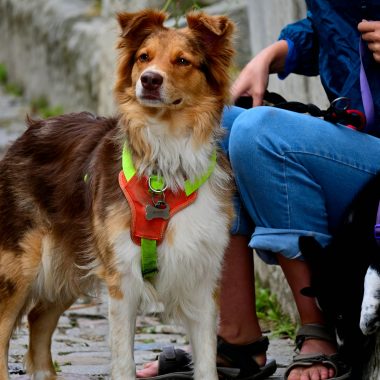
| Harness System | Dogs without crates | Seatbelt attachment, full mobility |
Harness systems attached to seatbelts offer protection for dogs not using crates. Never allow animals to ride with heads outside windows due to debris risks.
Carrier use for cats during every ride prevents distractions and protects against sudden stops. While vehicles include human seat belts, specially tested canine equipment provides proper protection.
Preparing Your Pet and Car for the Journey
Smart preparation transforms automobile journeys into positive experiences for your four-legged passenger. Beginning this process weeks before departure ensures your companion feels secure and comfortable.
Gradual introduction to restraint systems prevents stress during actual travel. This foundational work makes every subsequent trip more enjoyable for everyone involved.
Crate and Carrier Acclimation
Treat carrier training like standard crate conditioning. Leave the door open initially, allowing free exploration. Reward voluntary entry with treats or a favorite toy.
Feed meals inside the enclosure to create positive associations. Once your dog enters willingly, begin closing the door for brief periods. Gradually increase the duration over several days.
For harness systems, practice putting the equipment on at home. Let your canine wear it for short intervals, slowly extending the time. This builds familiarity before the first ride.
| Equipment Type | Timeframe | Key Steps | Benefits |
|---|---|---|---|
| Crate | 2-3 weeks | Open door feeding, gradual confinement | Secure space, reduced anxiety |
| Carrier | 1-2 weeks | Treat rewards, short trips | Portability, comfort familiarity |
| Harness | 1 week | Home wearing, positive reinforcement | Mobility, seatbelt compatibility |
Pre-Trip Veterinary Checkups and Vaccinations
Schedule a veterinarian appointment before any extended journey. Ensure vaccinations remain current, particularly rabies protection. Some states require health certificates dated within 10 days of travel.
Obtain complete medical records for emergency situations. For animals with motion sickness history, your veterinarian can recommend helpful medications. This proactive care prevents complications during your adventure.
Crossing state lines often mandates specific documentation. Verify requirements with your animal clinic beforehand. Proper paperwork ensures smooth transitions between locations.
Car Travel Equipment and Emergency Preparedness
Strategic packing of essential items creates a foundation for worry-free road excursions with your companion. Proper organization ensures quick access during emergencies while maintaining daily comfort.
Must-Have Gear for a Safe Trip
Crash-tested restraint systems protect against sudden stops. These harnesses and carriers prevent injury to both animals and passengers.
A dedicated first aid kit addresses common medical issues. Include supplies for cuts, stomach problems, and allergic reactions.
| Equipment Type | Primary Purpose | Key Features |
|---|---|---|
| Safety Harness | Restrict movement during accidents | Crash-tested, seatbelt compatible |
| First Aid Kit | Emergency medical care | Pet-specific supplies, portable |
| Backup Leash Set | Restraint redundancy | Glove box storage, quick access |
| Travel Water Bowl | Hydration management | Collapsible design, spill-proof |
Putting Together a Pet Travel Kit
Comprehensive kits include food, medications, and documentation. Medical records provide vital information to unfamiliar veterinarians.
Comfort items like favorite toys reduce anxiety during long journeys. Tailyan’s adventure accessories complement these essentials with durable, comfortable designs.
Organize all items in easily accessible places. This preparation ensures quick retrieval during unexpected situations.
Tips for a Smooth and Comfortable Road Trip with Pets
Creating a positive journey experience requires attention to comfort and stress management. Proper planning makes every mile more enjoyable for your canine companion and you.
Managing In-Transit Anxiety and Motion Sickness
Begin with a short test ride to check all equipment. Some animals handle brief trips well but struggle on longer excursions.
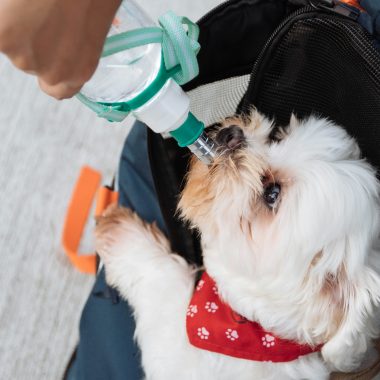
Avoid feeding your dog right before departure. Offer a light meal three to four hours prior. Always provide bottled water to prevent stomach issues.
For animals with sickness history, consult your veterinarian. They can recommend medications or supplements for the journey.
Fresh air circulation helps without risking injury. Open back windows slightly, but activate child locks. This prevents smart dogs from operating the buttons.
Bring favorite toys or puzzles to combat boredom. Regular breaks for exercise are essential during extended drives.
| Situation | Comfort Strategy | Time Management |
|---|---|---|
| Hot Weather Stop | Park in shade, run A/C, provide water | Limit to a few minutes |
| Cold Weather Stop | Run heat moderately, offer blanket | Coordinate with travel partner |
| General Anxiety | Interactive toys, exercise breaks | Schedule every 2-3 hours |
Following these steps ensures a pleasant adventure. Your furry friend will appreciate the thoughtful care throughout the trip.
Conclusion
Ensuring your dog’s protection during automobile trips demonstrates true care and commitment. Every journey requires thoughtful preparation to keep your companion secure.
Following comprehensive guidelines transforms your vehicle into a safe place. Proper identification, secure restraint systems, and strategic placement in the back seat provide essential protection.
Gradual acclimation to carriers or crates reduces stress significantly. Pre-trip veterinarian checkups address potential health issues before they arise.
Tailyan’s adventure accessories complement these measures with durable, comfort-focused designs. Their products help create unforgettable memories while prioritizing well-being.
View these preparations as straightforward ways to show genuine care. With proper equipment and knowledge, you can confidently travel knowing your furry friend rides securely.