Welcome to your go-to resource for understanding how to maintain your companion’s well-being throughout their entire life. This comprehensive guide helps simplify the process of protecting your beloved animal through essential medical protocols.
We created this roadmap to navigate the sometimes confusing world of animal healthcare. From those first important puppy or kitten appointments to maintaining vitality in their senior years, we’ve got you covered.
Preventative care through proper immunization and consistent veterinary visits forms the foundation of responsible ownership. This approach protects not just your furry family member but also your household and community from preventable illnesses.
While the timeline might seem overwhelming initially, breaking it down into life stages makes it manageable. This ensures your companion receives the right protection at the appropriate time for their specific needs.
Key Takeaways
- Preventative care is the safest way to protect animals from infectious diseases
- Wellness exams allow for early diagnosis and more effective treatment
- Breaking care into life stages makes the schedule easier to manage
- This guide covers core vaccines, checkup frequency, and cost considerations
- Working effectively with your veterinarian ensures optimal care
- The information applies to both dogs and cats with species-specific examples
- Understanding this schedule leads to a healthier, happier companion
Understanding Your Pet’s Health Needs
Building strong immunity from the start sets the stage for years of healthy adventures together. Those first few months are absolutely critical for establishing protection against life-threatening illnesses.
The Importance of Early Vaccinations
Young animals receive initial protection from their mother’s milk, but this natural immunity fades over time. This creates a vulnerable period where shots become essential to bridge the gap.
Vaccines are given in a series rather than all at once for good reason. Each dose builds upon the previous one to create robust, lasting protection. This approach ensures your companion develops strong defenses.
Early immunizations guard against devastating diseases like distemper and parvovirus. These conditions can be especially dangerous for young animals with developing immune systems.
Establishing Routine Wellness Checkups
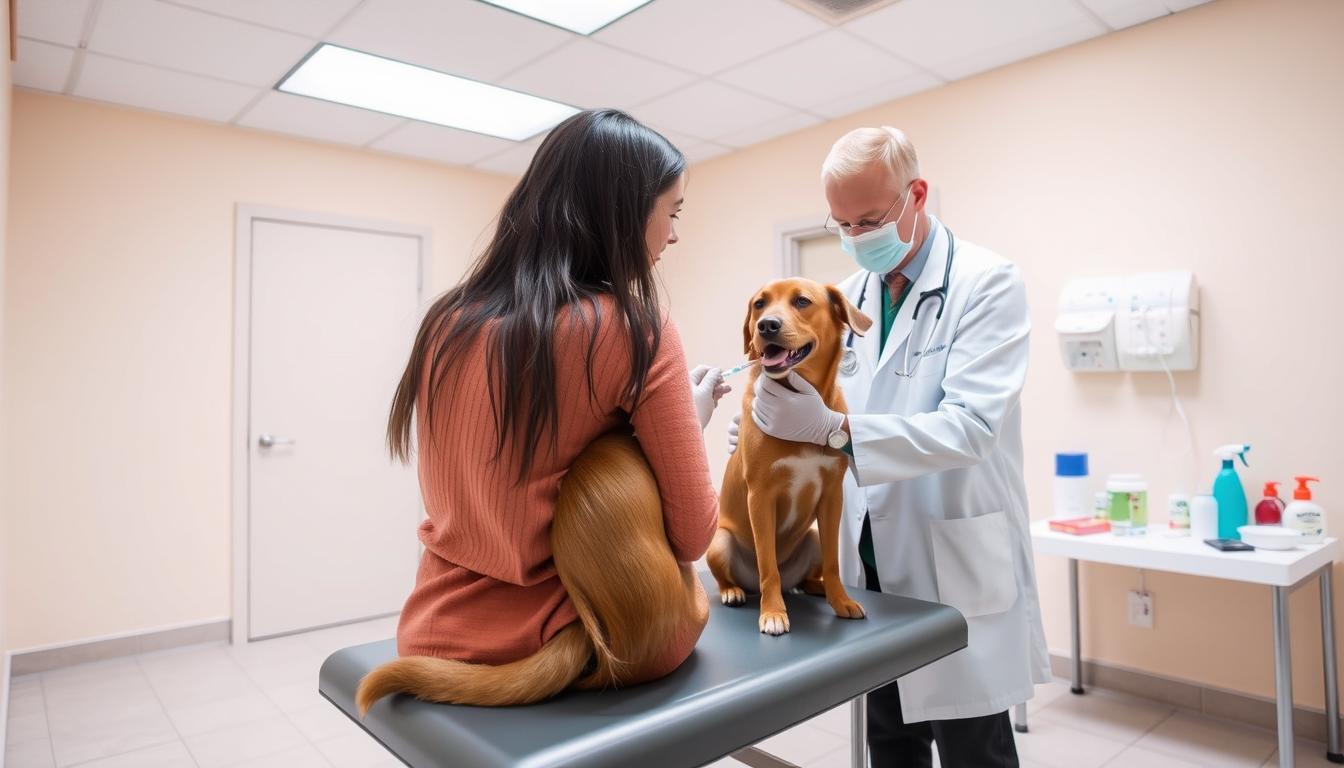
Starting vet visits early creates positive associations that make future appointments less stressful. These initial encounters help your furry friend feel comfortable with medical care.
Wellness exams during the first year go beyond just vaccines. They monitor growth, discuss nutrition, and address behavioral concerns. Your veterinarian can spot subtle signs of trouble that might escape daily notice.
Dogs are particularly skilled at hiding discomfort, making professional assessments invaluable. These visits provide perfect opportunities to ask questions about training, socialization, and preventive care.
The frequent appointments during puppyhood may seem intensive, but they decrease significantly in adulthood. This early investment pays dividends throughout your companion’s lifetime.
Creating a Customized Vaccination Routine
Custom immunization protocols ensure your companion receives exactly the protection they need without unnecessary treatments. While standard frameworks exist, the most effective approach considers individual risk factors.
Puppy, Kitten, and Adult Schedules
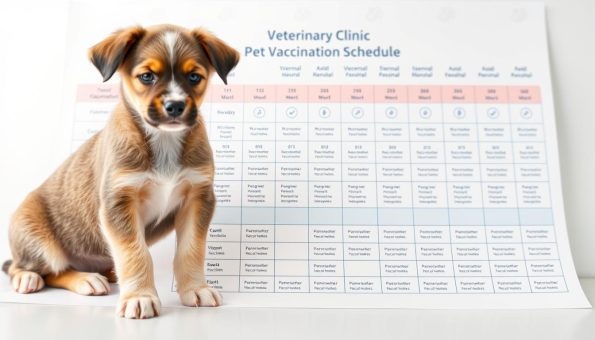
Young animals begin their immunization journey around 6-8 weeks of age. Puppies typically receive initial core vaccines like DAP and Bordetella during this period.
Boosters follow at 10-12 weeks, adding protection against Lyme disease and canine influenza. The series concludes around 14-16 weeks with final boosters and rabies vaccination.
Kittens follow a similar timeline with FVRCP vaccines and feline leukemia considerations. Adult animals transition to less frequent booster schedules, often annually or every three years.
Tailoring the Schedule to Your Pet’s Lifestyle
Your veterinarian will assess exposure risks based on daily activities. Outdoor adventures, boarding facilities, or dog park visits may require additional protection.
Geographic location significantly influences vaccine recommendations. Tick-prone areas might necessitate Lyme disease prevention.
Proper immunization allows active animals to safely enjoy wilderness explorations and social interactions. Discuss your furry friend’s actual routine honestly with your veterinary professional.
Schedules can adapt as lifestyles change over time. An indoor cat transitioning outdoors may need additional vaccines added to their routine.
Pet Vaccination and Regular Checkups: A Complete Health Schedule Guide
Not all vaccines carry equal importance, with some being vital for every animal while others depend on specific lifestyle factors. This distinction helps create a balanced immunization strategy.
Core Versus Lifestyle Vaccines
Core vaccines protect against widespread, dangerous diseases. For dogs, these include distemper, parvovirus, and rabies. The rabies vaccine is legally required in most areas.
This disease poses risks to humans through bite wounds. Core protection for cats includes FVRCP and rabies vaccines.
Lifestyle vaccines address individual exposure risks. Bordetella prevents kennel cough in social dogs. Lyme disease protection helps in tick-prone regions.
Leptospirosis has become core in many areas due to increasing cases. This illness can affect both animals and people.
Scheduled Appointments and Booster Shots
Initial puppy and kitten series occur every 3-4 weeks. This timing maintains immunity as maternal protection fades.
Booster shots remind the immune system about previous threats. They maintain protective antibody levels effectively.
Rabies vaccines may transition from annual to triennial boosters. Bordetella often requires more frequent reinforcement.
Keeping accurate records prevents vaccination gaps. Significant delays might require restarting portions of the series.
Integrating Outdoor Adventures with Pet Healthcare
Proper healthcare and exciting adventures go hand-in-paw for active animal companions. Staying current with immunizations opens up a world of exploration without constant worry about disease exposure.
This approach allows you to confidently visit dog parks, hike trails, and camp in nature. Your furry friend remains protected from wildlife, other animals, and environmental pathogens.
Ensuring Safety, Comfort, and Durability On-the-Go
Outdoor-loving companions benefit from specific lifestyle vaccines. These include Lyme disease protection for wooded areas with ticks.
Leptospirosis prevention helps animals exposed to water sources where wildlife may have urinated. Some regions even recommend rattlesnake vaccines.

Using High-Quality Outdoor Products for Pet Lovers
Tailyan creates innovative gear designed specifically for adventurous animal lovers. Their products focus on safety, comfort, and durability for extended trips.
Pet backpacks serve a dual purpose for younger companions. They protect puppies during socialization while keeping them off contaminated ground.
These carriers also provide safe transport for tired or small animals during longer excursions. Tailyan’s adventure accessories and tents feature security elements that keep your friend safe.
Tips for Combining Vaccination Routines with Outdoor Escapades
Schedule immunizations well before planned camping trips. This allows time for any mild side effects to resolve completely.
Always carry vaccination records when traveling to pet-friendly destinations. Many locations require proof of current wellness care.
Plan outdoor activities around your companion’s medical schedule. Celebrate completing their puppy series with a first hiking adventure.
Quality gear and proper healthcare create unforgettable memories together. They ensure every journey remains comfortable and safe for years of exploration.
Overcoming Common Vaccination and Checkup Concerns
Financial considerations and health reactions are among the top concerns for those scheduling medical appointments. Understanding these issues helps make informed decisions about your companion’s wellness.
Managing Costs and Finding a Trusted Veterinarian
Basic combination vaccines typically cost $20-60 per shot. Rabies protection runs around $20-30, with lifestyle options under $100.
Many animal shelters offer low-cost clinics for budget-conscious owners. Pet insurance wellness plans can cover preventive care expenses.
| Vaccine Type | Cost Range | Frequency |
|---|---|---|
| Core Combination | $20-60 | Every 1-3 years |
| Rabies | $20-30 | Annual/Triennial |
| Lifestyle Options | Under $100 | Varies by risk |
Choose a veterinary professional who communicates clearly and uses fear-free techniques. Ask about their emergency protocols and experience with specific breeds.
Addressing Side Effects and Health Issues
Mild reactions like temporary soreness or reduced appetite are common. These typically resolve within 24 hours without treatment.
Serious problems like vomiting or breathing difficulties require immediate veterinary attention. Such severe responses are quite rare.
Older companions may need visits more frequently than every six months. Vaccination protocols can adjust based on titer testing and reduced exposure risks.
Preventive care investments pay dividends through avoided health conditions and more quality years together. The time commitment decreases significantly after the first year.
Conclusion
Establishing a reliable healthcare partnership with your veterinarian transforms preventive care from a chore to a rewarding routine. This collaborative approach ensures your furry friend receives personalized attention throughout every life stage.
Take action today by reviewing your animal’s medical records and scheduling their next wellness appointment. Consistency with this schedule provides the best protection against preventable conditions. Your dedication builds a foundation for many healthy years together.
This investment in proactive wellness care pays dividends through early detection of potential issues and avoided disease problems. You’re giving your dogs and cats the precious gift of quality time and unforgettable adventures.